 by
by Hidden within Switzerland’s southeastern Alps, the Engadin Valley offers far more than postcard-perfect scenery. While travelers often come for skiing, hiking, or its famous lakes, locals know that one of the most authentic ways to understand the region is through its cheese.
Cheese here is not simply a product—it’s a reflection of the land, the seasons, and a centuries-old way of life. From high-altitude pastures to quiet village dairies, every step of the process is rooted in tradition. If you want to experience Engadin like a local, cheese tasting is not optional—it’s essential.
This guide will walk you through how locals approach cheese tasting in the Engadin Valley, where to go, what to try, and how to truly appreciate it.
The Alpine Roots of Engadin Cheese
To understand Engadin cheese, you first need to understand its environment. The valley sits high above sea level, with crisp air, long winters, and short but lush summers. When the snow melts, alpine meadows burst into life with grasses and wild herbs.
Cows graze freely on these pastures, feeding on a diverse mix of plants that directly influence the flavor of their milk. This is why cheese from the Engadin has such a distinct taste—it carries subtle notes of the landscape itself.
A key tradition here is seasonal migration. In warmer months, cattle are moved up to higher elevations, where milk is turned into cheese on-site. This practice is not just practical; it’s a cultural ritual that defines the rhythm of life in the region.
What Makes Engadin Cheese Special
Unlike industrial cheese production, Engadin cheese is often made in small batches. Techniques are passed down through generations, and many producers still rely on manual methods.
A few defining characteristics include:
- Raw or minimally processed milk, preserving natural flavors
- Copper vats and traditional tools, especially in alpine huts
- Natural aging processes, sometimes in mountain cellars
Because each batch can vary slightly depending on weather, pasture conditions, and timing, no two cheeses are exactly alike. This variability is something locals cherish—it makes each tasting experience unique.
Types of Cheese You Should Try
Alpine Cheese (Alpkäse)
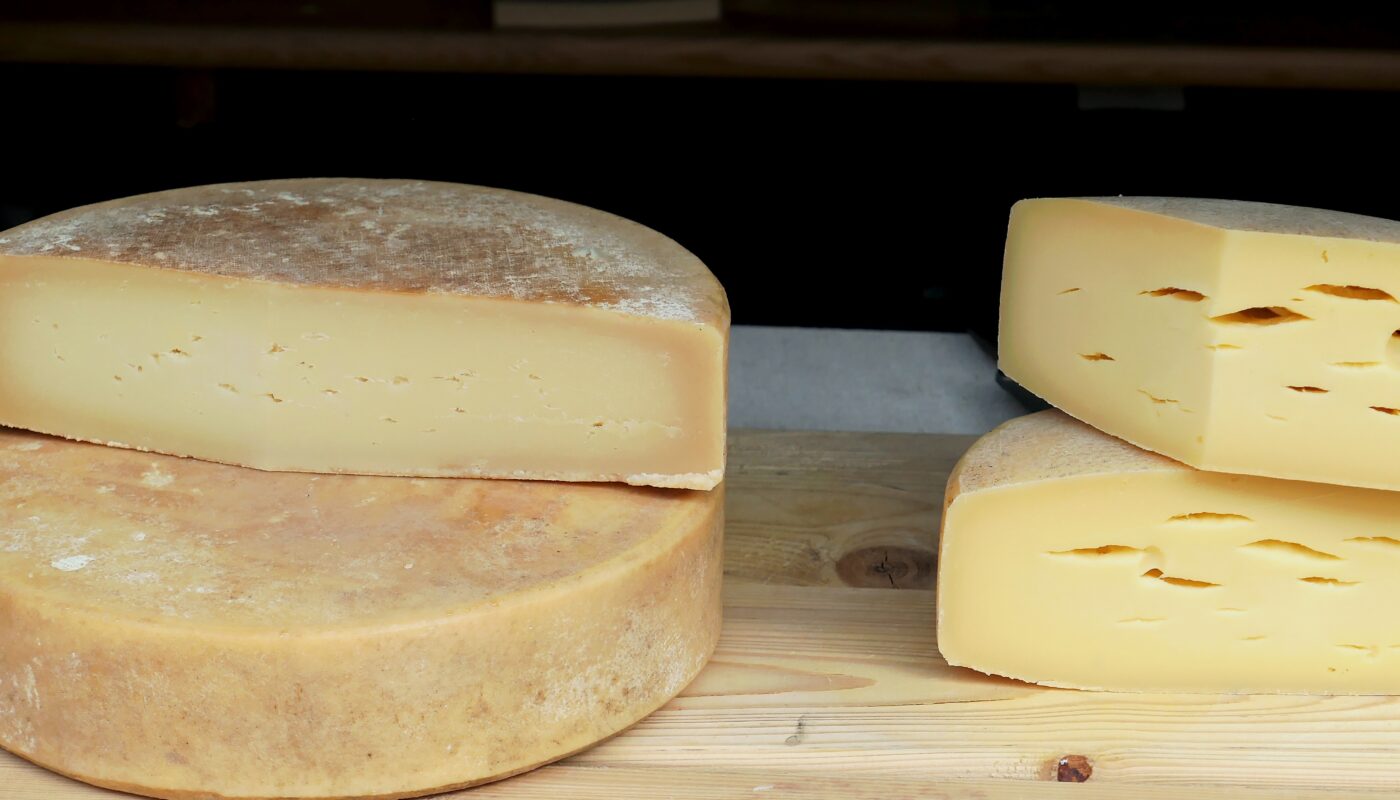
This is the cornerstone of Engadin cheese culture. Made high in the mountains during summer, it’s typically firm and aged for several months.
Its flavor evolves over time:
- Younger versions are mild and creamy
- Older wheels develop deeper, nuttier, and sometimes slightly spicy notes
For locals, this is the cheese that best represents the region.
Valley Cheese
Produced in village dairies, valley cheeses are made under more controlled conditions. They tend to have a smoother texture and a more consistent taste.
While less rustic than alpine varieties, they are still deeply rooted in tradition and often preferred for everyday use.
Soft and Fresh Cheeses
Not all Engadin cheeses are aged. Fresh varieties, including soft spreads and young curds, are commonly enjoyed.
These are lighter, more delicate, and perfect for breakfast or a quick snack. They highlight the purity of the milk without the complexity of aging.
Cheese-Based Local Dishes
To truly experience cheese in the Engadin, you must try it as part of traditional meals. Locals often incorporate cheese into hearty dishes that reflect the region’s alpine lifestyle.
Expect:
- Rich, warming meals designed for cold climates
- Simple ingredients elevated by high-quality cheese
- Recipes passed down through families
Tasting cheese in this context adds depth to the experience—it’s not just about flavor, but about tradition.
Where Locals Actually Go
Mountain Huts and Alpine Dairies
For the most authentic experience, head into the mountains. Alpine huts where cheese is made are often open to visitors during summer.
What to expect:
- A rustic setting with minimal frills
- Cheesemakers working just steps away
- Fresh cheese served in its place of origin
Reaching these spots may require a hike, but locals will tell you it’s worth every step.
Village Cheese Dairies
If you prefer something more accessible, visit a dairy in one of the Engadin villages. These dairies often welcome visitors and provide insight into the production process.
You can:
- Observe how milk is transformed into cheese
- Learn about aging techniques
- Sample a range of cheeses at different stages
This is a great option if you want both education and convenience.
Weekly Markets and Farm Stalls
For a truly local feel, skip formal tastings and head to a market. Farmers often sell their cheese directly, offering varieties you won’t find anywhere else.
These settings are informal and personal. Conversations with producers are part of the experience, and you may discover hidden gems that never make it to larger shops.
Restaurants and Traditional Inns
Many local restaurants emphasize regional ingredients, including cheese produced nearby.
Instead of generic cheese platters, you’ll often find:
- Carefully curated selections from local producers
- Seasonal specialties featuring alpine cheese
- Dishes that highlight traditional cooking methods
Dining in a mountain inn after a day outdoors is one of the most authentic ways to enjoy Engadin cheese.
How to Taste Cheese Like a Local
Cheese tasting in the Engadin is not rushed or overly structured. It’s about slowing down and paying attention.
Follow a Natural Order
Start with milder cheeses and gradually move to stronger, aged varieties. This helps you notice subtle differences without overwhelming your palate.
Use All Your Senses
Locals don’t just taste cheese—they experience it. Notice:
- The smell before the first bite
- The texture as you chew
- The way the flavor develops and lingers
Each cheese tells its own story.
Pair Thoughtfully
Cheese is rarely eaten alone. Traditional accompaniments include:
- Rustic bread
- Cured meats
- Pickled vegetables
These pairings enhance the flavors and reflect local eating habits.
Take Your Time
There’s no rush. Cheese tasting is often a social activity, shared with friends or family. Conversations, scenery, and atmosphere are just as important as the food.
The Best Time for Cheese Tasting
Summer
This is when the magic happens. Cows are grazing on alpine meadows, and cheese is being made fresh in mountain huts.
Autumn
Cheeses produced in summer begin to mature, offering richer and more complex flavors.
Winter
While production slows, consumption doesn’t. Cheese becomes the centerpiece of hearty meals, perfect for cold weather.
More Than Food: A Way of Life
In the Engadin, cheese represents more than flavor—it reflects a connection between people and their environment.
Farmers, cheesemakers, and families all play a role in maintaining this tradition. Knowledge is passed down through generations, ensuring that techniques and values are preserved.
There is also a strong focus on sustainability. Local production reduces the need for transportation, while traditional methods respect the natural environment.
For locals, cheese is not just something they eat—it’s part of who they are.
Practical Tips for Visitors
- Seek out small producers rather than large stores
- Don’t hesitate to ask questions—people are proud of their craft
- Be open to trying unfamiliar varieties
- Plan visits to alpine huts during summer months
- Carry cash for smaller purchases
Conclusion
Cheese tasting in the Engadin Valley is an experience that goes far beyond the plate. It’s an opportunity to connect with the land, the people, and a way of life that has remained largely unchanged for generations.
By following a local approach—exploring mountain dairies, visiting village producers, and taking time to savor each bite—you gain a deeper appreciation for what makes this region so special.
In the end, Engadin cheese is not just about taste. It’s about tradition, authenticity, and the quiet beauty of alpine living.