 by
by Glaciers have a unique way of enchanting adventurers, nature-lovers, and casual tourists alike. Their enormous size, distinctive blue ice, and the history they hold within their frozen layers evoke feelings of awe and admiration. In the Swiss Alps, especially in the Engadin region surrounding the glamorous town of Saint Moritz, glaciers are not just physical wonders but also an integral part of the local identity and culture. Planning a visit to a glacier can be one of the most memorable experiences you’ll have in the Alps—yet, ensuring safety, acquiring the right equipment, and booking the right guides all play a pivotal role in turning a dream trip into reality.
This comprehensive guide will walk you through everything you need to know about booking guided glacier tours in the Saint Moritz region: the top tour operators to consider, what to expect from a typical excursion, essential gear, best travel seasons, safety considerations, and the importance of environmentally responsible travel in these fragile Alpine landscapes.
1. Understanding the Glacier Landscape Near Saint Moritz
1.1 The Engadin Valley and Its Glaciers
Saint Moritz sits in the Engadin Valley—an elevated region in the southeastern Swiss Alps renowned for its unparalleled natural beauty. Aside from famous ski slopes and luxurious hotels, this region boasts several glaciers accessible through guided tours and hiking routes. The Morteratsch Glacier, for instance, is one of the most popular and easily reachable spots in the vicinity, complete with scenic walking paths and panoramic viewpoints. Other, more secluded glaciers lie deeper in the alpine valleys, inviting more experienced mountaineers and adventurous travelers to explore.
1.2 Climate and Glacier Changes
Before diving into tour details, it is important to acknowledge that the Swiss Alps—like many mountain ranges globally—are facing glacier retreat due to climate change. While the glaciers remain majestic, each year sees receding ice. This reality makes guided tours even more valuable, as expert guides not only ensure safety but also provide critical environmental education. Understanding how these ice masses are changing can add depth and meaning to your adventure.
2. Why Choose a Guided Glacier Tour?
2.1 Safety and Expertise
Traversing glaciers can be inherently hazardous without proper training and equipment. Crevasses, hidden ice tunnels, and unpredictable weather conditions pose serious risks. Professional guides in Saint Moritz have undergone rigorous training, often acquiring certifications from organizations like the Swiss Mountain Guides Association (SBV/ASGM). Their expertise ensures that participants have a safe experience, from choosing the appropriate gear and routes to assessing weather conditions.
2.2 Enriched Learning Experience
A glacier is a living classroom for geology, glaciology, and environmental science. Local guides, many of whom have spent years studying the mountains, can share insights into how glaciers form, what causes them to recede, and what flora and fauna thrive in the Alpine environment. This knowledge adds a rich educational dimension to what might otherwise just be a sightseeing trip.
2.3 Local Cultural Context
Many guides are proud ambassadors of the Engadin region. By booking a tour, you’re not only accessing their technical know-how but also tapping into their cultural and historical expertise. They can share local folklore, explain centuries-old traditions, and introduce you to the unique dialects (like Romansh) spoken in the valleys. This cultural immersion often elevates the tour from a mere trek to a holistic travel experience.
3. Popular Glaciers and Routes Around Saint Moritz
3.1 Morteratsch Glacier
Arguably the most accessible glacier near Saint Moritz, Morteratsch is a favorite for both novice and seasoned explorers. The glacier is connected by a well-maintained trail that starts near the Bernina Railway’s Morteratsch station. Guided tours frequently follow a path that allows visitors to witness the glacier’s snout and explore the surrounding moraine. More advanced itineraries might include roped glacier walks or ice climbing sessions, depending on skill level.
Highlights:
- Relatively easy access by railway or car.
- Scenic viewpoint stations along the way.
- Various tour packages for different skill levels.
3.2 Pers Glacier and Diavolezza Region
A short distance from Morteratsch is the Pers Glacier, situated below the towering Piz Palü and accessible via the Diavolezza cable car station. The high-alpine panorama at Diavolezza is legendary, offering mesmerizing views of the Bernina massif. While the trails are more demanding than Morteratsch, guided tours here can include crossing glacier fields, ascending ridges, and even summiting certain peaks if you have prior mountaineering experience.
Highlights:
- Panoramic viewpoints from Diavolezza cable car station.
- Opportunities for more challenging glacier traversal.
- A chance to see Piz Bernina, the highest peak in the Eastern Alps.
3.3 The Forno Glacier near Maloja
Located closer to the Maloja Pass, the Forno Glacier is another spectacular destination for glacier hikes. It’s less visited by tourists than Morteratsch or Diavolezza, making it perfect for those seeking solitude and a deeper connection with nature. Guided tours often involve at least one overnight stay in a mountain hut, offering the chance to truly immerse yourself in the alpine environment.
Highlights:
- Comparatively off-the-beaten-path.
- Ideal for multi-day trekking experiences.
- Rustic mountain huts that offer unique overnight stays.
4. How to Find and Book Reputable Guides
4.1 Official Tourism Websites and Associations
One of the first steps to booking a glacier tour in Saint Moritz is consulting official tourism sites:
- Engadin St. Moritz Tourism: The local tourism board’s website (often found at engadin.stmoritz.ch) provides links to certified guides, recommended tour operators, and seasonal updates on trail conditions.
- Swiss Alpine Club (SAC): Although primarily catering to mountaineers, the SAC website includes a directory of recommended guides, many of whom lead glacier tours.
When checking these sites, you can often filter guides by language preference, area of specialty, and price range.
4.2 Local Mountain Guide Offices
Virtually every alpine village near Saint Moritz has its own mountain guide office or network. Visiting or calling these offices can yield personalized suggestions based on your fitness level, interests, and time constraints. Their guides typically hold official certifications, which ensures that you’re getting trustworthy expertise.
4.3 Private Tour Operators
Several private companies specialize in adventure tourism around Saint Moritz, offering everything from ski lessons in the winter to glacier trekking in the warmer months. Some well-regarded operators include:
- Go Vertical: Known for private glacier tours and individualized itineraries.
- Mountain Adventures Engadin: Offers group tours, with regular departures during high season.
- Peak Experience: Caters to seasoned adventurers looking for more challenging routes.
When selecting a private operator, it’s wise to read online reviews, check references, and verify the certifications of individual guides.
4.4 Hotel and Resort Concierge Services
In a luxury destination like Saint Moritz, top hotels often have dedicated concierge services that can coordinate guided glacier tours. While potentially more expensive, this route saves time and ensures personalized recommendations. Badrutt’s Palace Hotel, Kulm Hotel, and Carlton Hotel Saint Moritz, among others, typically have partnerships with local mountain guides. If you’re staying in one of these properties, inquire about their bespoke glacier excursion packages.
5. Booking Logistics and Considerations
5.1 Group Tours vs. Private Tours
Group Tours
- Pros: More budget-friendly, an opportunity to meet fellow travelers, fixed itineraries that cover popular routes.
- Cons: Less flexibility in scheduling and pacing; you may not receive as much personal attention from the guide.
Private Tours
- Pros: Customized itinerary to match your fitness and interests, direct engagement with your guide, freedom to explore off-the-beaten-path glaciers.
- Cons: Higher price point, which might make it less accessible for travelers on a budget.
5.2 Scheduling and Seasonality
The best months for glacier tours in Saint Moritz typically range from late spring (May or June) to early autumn (September or October). During the peak summer months (July and August), conditions on the glacier are generally stable, and weather forecasts are more predictable. However, keep in mind that each year’s snowmelt pattern and glacier conditions vary, so always confirm with your guide or tour operator.
In winter, guided glacier walks are far less common due to heavy snow and ice covering crevasses. Yet, specialized winter tours sometimes occur, involving snowshoes and the use of ropes. These tours can offer an otherworldly experience, though they typically require a higher level of skill and physical fitness.
5.3 Pricing and Inclusions
Costs for guided glacier tours can vary widely, depending on factors like:
- The length and complexity of the route.
- Private vs. group tours.
- Extra services (such as mountaineering gear rental, transport, meals, or overnight accommodation in mountain huts).
Expect to pay anywhere from CHF 100 to CHF 300 per person for a half-day group tour around a relatively accessible glacier, while private, multi-day expeditions involving specialized activities can go well above CHF 1,000 per person. Always confirm exactly what is included in the price—e.g., gear rental, transportation from Saint Moritz, guide fees, meals—so there are no surprises.
5.4 Gear and Equipment
While some guides provide essential gear (crampons, ice axes, harnesses, ropes), you may need to bring or rent certain items. Most tours provide a detailed packing list that includes:
- Hiking boots with sturdy ankle support (waterproof if possible).
- Warm and layered clothing (thermal underlayers, fleece, waterproof jacket and pants).
- Gloves and headgear (beanie or buff and sturdy mountaineering gloves).
- Polarized sunglasses with UV protection (glacier surfaces reflect sunlight more intensely).
- Sunscreen (SPF 30 or higher is advisable, even on cloudy days).
- Water and snacks (energy bars or dried fruits are excellent choices).
- Backpack for carrying your personal items.
Always discuss gear requirements with your tour operator well in advance. Many shops in Saint Moritz or near the base stations rent equipment like crampons and helmets at reasonable rates.
5.5 Insurance and Documentation
Travel insurance that covers alpine activities, including glacier trekking and helicopter rescue, is highly recommended. Standard policies often exclude hazardous sports or require add-ons. Also, you may need to sign a liability waiver before embarking on a glacier excursion. If you are unsure about coverage, contact your insurance provider to clarify the specifics of adventure sports inclusions.
6. What to Expect During a Guided Glacier Tour
6.1 Preliminary Briefing
Tours usually begin with a safety briefing where the guide explains the day’s itinerary, route conditions, and essential safety protocols. This is also the time to address any last-minute questions about gear, fitness level, or personal concerns (like altitude sickness).
6.2 En Route: Roped Travel and Glacier Navigation
Once on the glacier, group members will likely be roped together for safety. Your guide will teach or remind you how to walk on ice using crampons, how to properly hold an ice axe, and what to do in the event of a slip. Navigation typically involves following natural ice formations, reading the glacier’s surface for signs of hidden crevasses, and using safe passages determined by daily or weekly reconnaissance.
6.3 Observing Crevasses and Ice Formations
Witnessing the deep-blue openings of a glacier can be one of the most striking moments of the tour. While your guide may allow cautious exploration, they will also enforce strict safety measures to avoid any falls. You might also see ice arches, seracs, and moulins—vertical shafts carved by meltwater.
6.4 Glacial Education
Along the way, expect periodic stops where the guide discusses the local ecology, glacier dynamics, and any changes observed over time. If you’re lucky, you may come across rare alpine animals, such as marmots, ibexes, or golden eagles circling overhead. The interplay between life and ice often inspires deeper respect for nature and the region’s fragile ecosystem.
6.5 Return and Debrief
At the end of the tour, guides often conduct a debrief session to address your questions, share further resources, and talk about the conservation efforts needed to preserve the Alps. If you booked through a reputable operator, you may receive photographs or the option to purchase a video of your experience, serving as a memorable keepsake.
7. Special Considerations and Tips
7.1 Physical Fitness
You don’t need to be an elite athlete to enjoy a glacier tour, but basic cardiovascular fitness and surefootedness are recommended. Some routes require significant elevation gain. If you’re booking a more advanced tour (like crossing multiple ridges or summiting a nearby peak), be sure you’re adequately prepared through regular aerobic exercise and, ideally, previous mountain-hiking experience.
7.2 Weather Flexibility
Mountain weather can shift quickly. Tours may be rescheduled or canceled due to inclement conditions. When booking, clarify the operator’s cancellation or rescheduling policy. It’s wise to include a buffer day or two in your itinerary in case you need to adjust for weather.
7.3 Sustainable Tourism Practices
As glaciers recede, it becomes increasingly important to minimize our environmental impact. Adhering to “leave no trace” principles, staying on marked paths, and respecting local flora and fauna are key ways to ensure these natural wonders remain for future generations. When possible, choose tour operators committed to sustainable practices, such as carbon offsetting, limiting group sizes, and educating travelers about local conservation efforts.
7.4 Alternative Options for Non-Trekkers
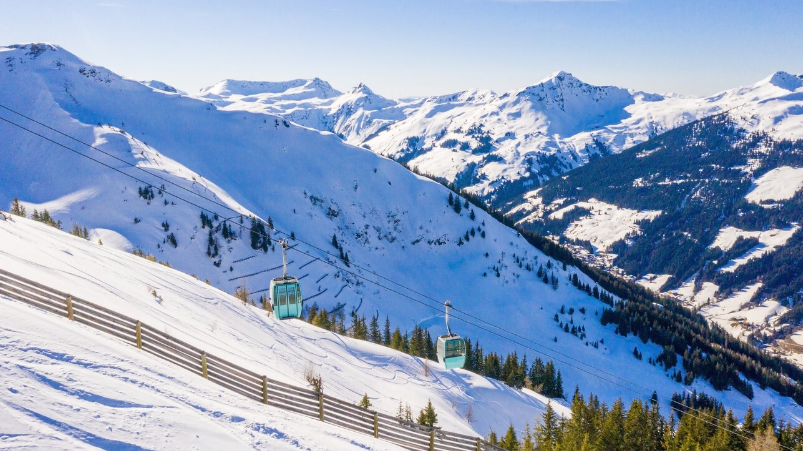
Not everyone is inclined to trek across an icy expanse. For those who prefer a more relaxed experience, scenic train rides (like the Bernina Express) or cable cars (such as the Diavolezza) offer sweeping views of the glaciers. You can also opt for shorter, family-friendly walking paths that lead to glacier viewpoints without involving technical climbing or roped travel.
8. Making the Most of Your Saint Moritz Glacier Experience
Saint Moritz’s reputation might stem from luxury hotels, designer shopping, and fine dining, but the area’s real treasure lies in its mountains, lakes, and glaciers. A guided glacier tour can be an unforgettable highlight of your trip—an epic journey that blends physical challenge, environmental stewardship, and unparalleled natural beauty.
Here are a few final tips to ensure you get the most out of your glacier adventure:
- Plan Ahead: Glacier tours in peak season can book out quickly, so reserve your spot early, especially if you’re traveling in a group.
- Stay Informed: Keep track of weather forecasts and local advisories. The official Saint Moritz tourism site and the Swiss meteorological office (MeteoSwiss) are great resources.
- Layer Up: Alpine environments can be unpredictable, so dress in layers and invest in quality gear for warmth and comfort.
- Hydration and Nutrition: Alpine air can be dry, and physical exertion at altitude can dehydrate you faster. Carry plenty of water and energizing snacks.
- Capture the Moment: Whether you bring a high-end camera or a smartphone, you’ll want to document the surreal ice formations and sweeping mountain panoramas.
By booking with knowledgeable, certified guides, you’ll not only traverse these ancient ice fields safely but also come away with a deeper appreciation for the geography, culture, and ecological significance of the area. Adventure in Saint Moritz extends far beyond the glamour of its ski slopes—you’ll find it on the timeless glaciers that have shaped the Engadin landscape for millennia.