 by
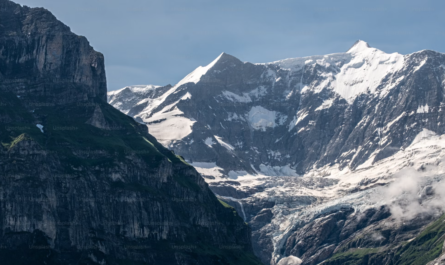
by Stretching across eight European countries, the Alps are one of the most iconic mountain systems in the world. Towering peaks, glacial valleys, alpine meadows, and crystal-clear lakes draw millions of visitors each year. Yet this popularity comes with a responsibility: protecting a fragile environment that cannot easily recover from damage.
Eco-friendly adventure in the Alps is not about sacrificing excitement—it’s about redefining it. It means exploring with awareness, choosing activities that minimize harm, and contributing positively to the landscapes and communities you visit. When done right, sustainable adventure deepens your connection to the mountains rather than limiting your experience.
This guide explores how to enjoy the Alps through low-impact activities that preserve their natural beauty while still delivering unforgettable adventure.
Why the Alps Need Responsible Travel
Alpine ecosystems are incredibly sensitive. Plants grow slowly due to short growing seasons, wildlife depends on undisturbed habitats, and soil can be easily eroded by heavy foot traffic or vehicles.
Unlike urban environments, damage in the Alps can take decades—or even centuries—to repair. A single off-trail shortcut can destroy vegetation that took years to grow. Excessive noise can disrupt wildlife behavior. Waste left behind can linger for generations.
Because of this, eco-friendly travel is not optional—it is essential.
Hiking: The Foundation of Sustainable Exploration
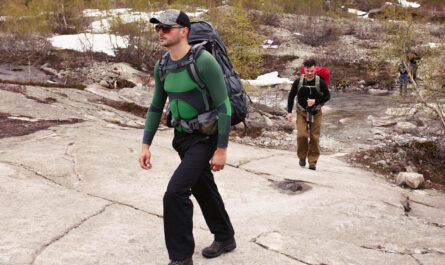
Hiking remains the most accessible and environmentally responsible way to explore the Alps. It requires minimal infrastructure and allows travelers to move through landscapes without leaving a significant footprint.
Walking along marked trails takes you through diverse environments—from forested valleys to high-altitude ridges—while maintaining a low environmental impact.
How to Hike Responsibly
- Stay on designated paths to avoid damaging vegetation
- Avoid shortcuts that cause soil erosion
- Carry all waste back with you
- Respect wildlife by observing quietly from a distance
Hiking also encourages a slower pace, allowing you to notice details often missed during faster forms of travel—wildflowers, bird calls, and subtle changes in terrain.
Cycling and E-Biking: Cover More Ground Sustainably
Cycling offers a balance between mobility and sustainability. It allows you to travel farther than on foot while still maintaining a low environmental impact.
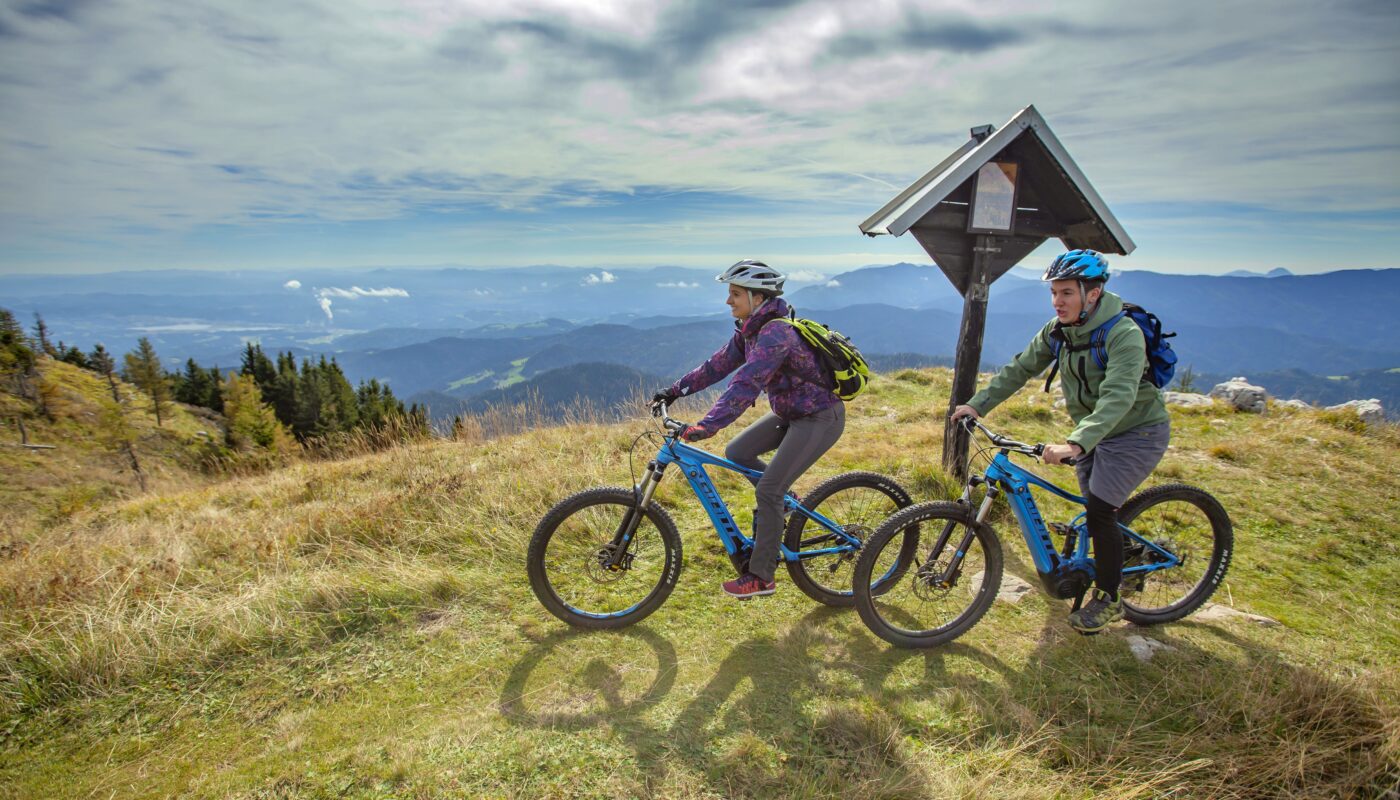
E-bikes have become especially popular in alpine regions, making steep climbs more accessible without relying on motorized vehicles. They enable a broader range of travelers to explore mountainous terrain while keeping emissions low.
Benefits of Cycling in the Alps
- Minimal carbon footprint compared to cars
- Reduced noise pollution
- Ability to access scenic routes without damaging ecosystems
To ensure sustainability, it’s important to stick to designated cycling trails and respect local guidelines.
Wildlife Watching: Observing Without Disturbing
The Alps are home to a wide range of wildlife, including ibex, chamois, marmots, and birds of prey. Encountering these animals in their natural habitat can be one of the most memorable parts of any trip.
However, wildlife is highly sensitive to human presence.
Ethical Wildlife Watching Practices
- Keep a safe and respectful distance
- Avoid feeding animals
- Remain quiet and move slowly
- Use binoculars or zoom lenses instead of approaching
Responsible wildlife observation ensures that animals can continue their natural behaviors without stress or disruption.
Paragliding: A Low-Impact Aerial Perspective
For those seeking a more adrenaline-filled experience, paragliding offers a unique way to explore the Alps from above. Unlike powered aircraft, paragliding relies on wind currents, making it relatively low in environmental impact.
Floating silently above valleys and peaks provides a perspective that few other activities can match. It combines excitement with minimal disturbance to the environment when conducted responsibly.
Kayaking and Paddleboarding on Alpine Waters
Alpine lakes and rivers provide opportunities for eco-friendly water-based adventures. Kayaking, canoeing, and stand-up paddleboarding allow you to explore these environments without the pollution or noise associated with motorboats.
Best Practices on the Water
- Use designated access points
- Avoid disturbing wildlife near shorelines
- Do not leave any waste behind
- Respect local conservation rules
These activities offer a peaceful way to experience the Alps while preserving the integrity of aquatic ecosystems.
Staying in Sustainable Mountain Accommodations
Adventure doesn’t end when the day’s activities are over. Where you stay plays a significant role in your environmental impact.
Many alpine lodges and huts are designed with sustainability in mind. These accommodations often use renewable energy, limit water consumption, and source food locally.
Why It Matters
- Reduces environmental footprint
- Supports local economies
- Encourages sustainable practices within the tourism industry
Choosing eco-conscious lodging helps reinforce responsible tourism across the region.
Participating in Conservation Efforts
For travelers who want to make a direct impact, participating in conservation activities can be a meaningful addition to an alpine adventure.
Opportunities may include:
- Trail restoration projects
- Organized clean-up efforts
- Wildlife monitoring programs
These experiences not only help protect the environment but also provide a deeper understanding of the challenges facing alpine ecosystems.
Eco-Friendly Winter Activities
Sustainable adventure in the Alps continues even during the colder months.
Snowshoeing
Snowshoeing allows you to explore snowy landscapes without the need for heavy infrastructure. It is quiet, low-impact, and accessible to beginners.
Cross-Country Skiing
Compared to downhill skiing, cross-country skiing requires fewer resources and less infrastructure. It is an excellent way to enjoy winter landscapes sustainably.
Responsible Skiing Choices
For those who enjoy downhill skiing, choosing resorts that prioritize renewable energy and environmental management can significantly reduce impact.
Sustainable Transportation in the Alps
Transportation is one of the largest contributors to environmental impact in travel. Making conscious choices about how you reach and move around the Alps is essential.
Better Travel Options
- Take trains instead of short-haul flights
- Use regional public transport
- Walk or cycle whenever possible
Many alpine destinations offer efficient public transport systems, making it easier to travel without relying on private vehicles.
Supporting Local Communities
Eco-friendly adventure goes beyond environmental considerations—it also includes social responsibility. Supporting local communities ensures that tourism benefits those who live in the region.
Ways to Contribute
- Choose locally owned accommodations
- Eat at regional restaurants
- Purchase handmade or locally produced goods
This approach helps maintain cultural traditions and strengthens local economies.
Challenges Facing the Alps
Despite growing awareness of sustainable tourism, the Alps face several challenges:
- Increasing visitor numbers in popular areas
- Habitat disruption from infrastructure development
- Climate change affecting glaciers and snow patterns
These issues highlight the importance of responsible travel choices.
The “Leave No Trace” Mindset
At the heart of eco-friendly adventure is a simple philosophy: leave the environment as you found it.
This includes:
- Taking all waste with you
- Avoiding damage to plants and wildlife
- Minimizing noise and disturbance
These small actions collectively make a significant difference.
Why Eco-Friendly Adventure Enhances the Experience
Sustainable travel is not just about reducing harm—it can make your experience richer and more meaningful.
By slowing down and engaging more deeply with your surroundings, you gain:
- Greater appreciation for natural beauty
- Stronger connection to local culture
- A sense of responsibility and purpose
Eco-friendly adventure transforms travel into a more mindful and rewarding experience.
Conclusion
The Alps offer endless opportunities for adventure, but they also require care and respect. Choosing eco-friendly activities ensures that these landscapes remain vibrant and accessible for future generations.
From hiking and cycling to wildlife observation and sustainable accommodation, there are countless ways to explore responsibly without sacrificing excitement.
Ultimately, the true value of adventure lies not just in what you experience, but in how you experience it. By respecting the environment and supporting local communities, you become part of a movement that protects the Alps while celebrating their beauty.
In doing so, you help ensure that the magic of these mountains endures for years to come.