 by
by Luxury hotels are built on consistency—exceptional service, refined design, and attention to detail. Yet despite this consistency, the experience of staying in a luxury property can change dramatically depending on the season. Nowhere is this contrast more striking than in destinations shaped by climate, such as alpine resorts, coastal retreats, or countryside estates.
A single hotel can feel like two entirely different worlds across the year. In winter, it may transform into a warm refuge from the cold, buzzing with activity and indulgence. In summer, the same property can open outward, embracing nature, sunlight, and a slower rhythm of life.
Understanding how luxury hotel experiences evolve between winter and summer helps travelers choose the season that aligns best with their expectations. From atmosphere and activities to pricing and emotional tone, nearly every aspect of the stay shifts in subtle but meaningful ways.
The Core of Luxury Remains—But the Expression Changes
At its heart, luxury hospitality is about personalization, comfort, and memorable experiences. These foundational elements do not disappear with the seasons. What changes is how they are delivered.
In colder months, hotels focus on creating a sense of enclosure and warmth. In warmer months, they emphasize openness and connection with the surrounding environment. The same level of service exists year-round, but the setting and mood redefine how that service is experienced.
Atmosphere: Enclosed Warmth vs. Expansive Freedom
Winter: A Retreat from the Elements
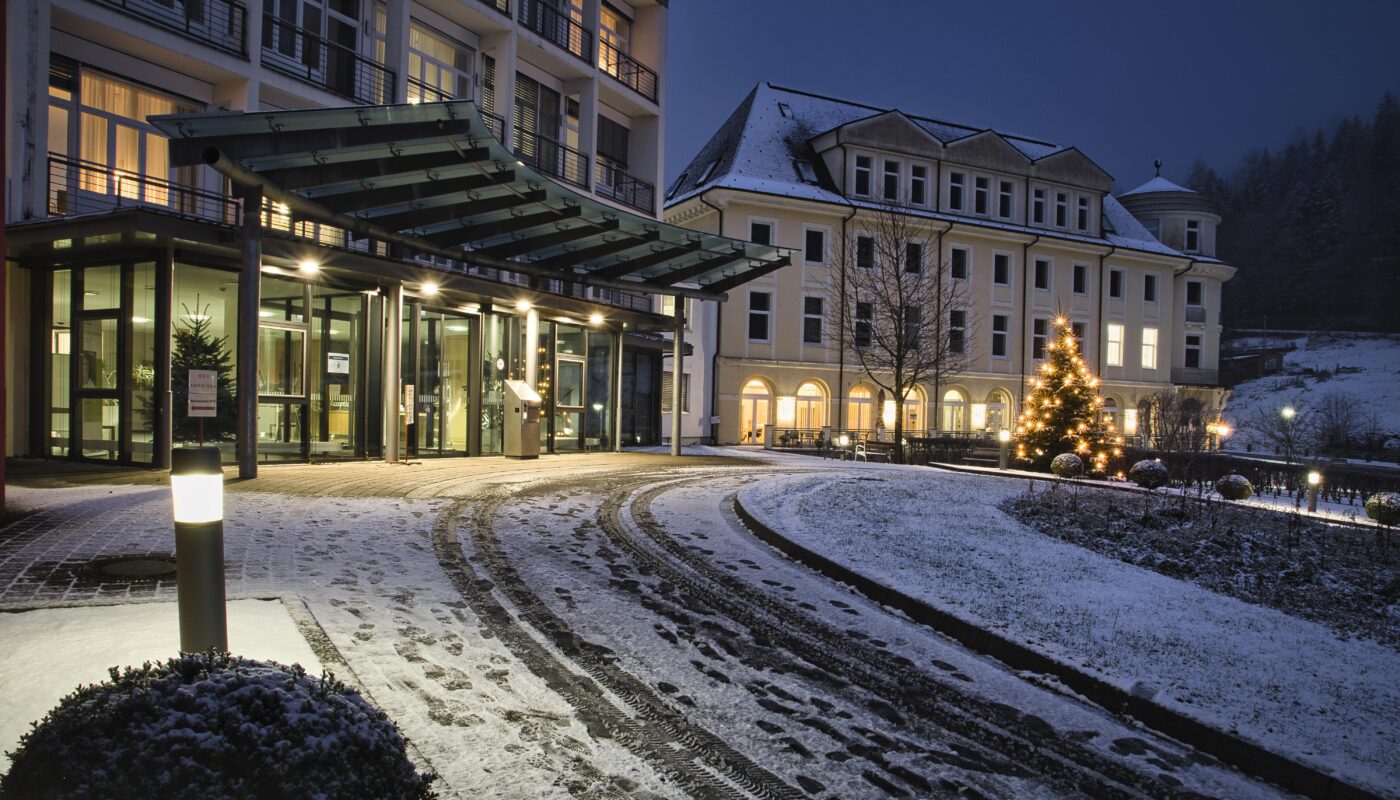
Winter transforms luxury hotels into sanctuaries. The outdoors may be cold, snowy, or even harsh, but inside, everything is designed to feel inviting and protective.
Common features include:
- Soft lighting that creates a calm, intimate mood
- Rich fabrics such as wool, velvet, and leather
- Fireplaces that act as gathering points
- Quiet corners for reading or relaxing
The contrast between the cold outside and the warmth inside enhances the feeling of comfort. Guests often linger indoors, savoring the atmosphere as much as the amenities.
Summer: Living Beyond the Walls
In summer, the emphasis shifts outward. Hotels open their spaces to the surrounding landscape, allowing nature to become part of the experience.
This seasonal transformation often includes:
- Open terraces and garden lounges
- Large windows and sliding doors that blur indoor-outdoor boundaries
- Bright, airy interiors with lighter materials
- Outdoor seating areas designed for relaxation
Guests spend more time outside, whether enjoying a meal in the open air or simply taking in the scenery. The hotel becomes less of a refuge and more of a gateway to the environment.
Activities: Seasonal Lifestyles
Winter: Focused and Structured
Winter activities tend to revolve around snow and are often more structured. Guests plan their days around specific experiences such as:
- Skiing or snowboarding
- Guided winter excursions
- Ice skating or snowshoeing
Luxury hotels support these activities with specialized services, including equipment storage, private instructors, and transportation to slopes.
Evenings follow a similar pattern, with après-ski gatherings, curated dining experiences, and entertainment that brings guests together.
Summer: Diverse and Flexible
In contrast, summer offers a broader range of possibilities. Without the limitations of snow, guests can explore freely and choose from a wider variety of activities:
- Hiking and cycling
- Swimming or water sports
- Cultural excursions and local exploration
- Wellness activities like yoga or meditation
There is less structure, allowing guests to move at their own pace. Days often feel longer and more spontaneous, shaped by curiosity rather than schedules.
Social Energy: Vibrant vs. Tranquil
Winter: A Social Hub
Winter luxury hotels often have a lively atmosphere. Guests gather in communal spaces, creating a sense of shared experience.
- Bars and lounges are active and energetic
- Restaurants are busy and require reservations
- Social interactions are frequent and encouraged
This makes winter an appealing choice for travelers who enjoy a dynamic environment and the opportunity to meet others.
Summer: Quiet and Personal
Summer brings a calmer, more relaxed ambiance. With fewer crowds in many destinations, the experience feels more private.
- Public spaces are quieter
- Service feels more individualized
- Guests can enjoy solitude without sacrificing comfort
For many, this slower pace enhances the sense of luxury, allowing for deeper relaxation.
Pricing and Accessibility
Winter: High Demand, Premium Rates
In destinations known for winter sports, this season represents peak demand. Luxury hotels are often fully booked, and prices reflect the popularity.
- Higher room rates
- Limited availability
- Advance planning required
The premium cost is tied to the exclusivity and demand of the season.
Summer: Greater Value
Summer can offer better value, particularly in regions traditionally associated with winter tourism.
- More flexible booking options
- Potential for discounts or upgrades
- Wider range of room choices
Travelers can often enjoy the same high standards at a lower cost, making summer an attractive alternative.
Culinary Experiences: Comfort vs. Freshness
Winter: Rich and Hearty
Cold weather naturally influences dining preferences. Menus often focus on:
- Warm, comforting dishes
- Rich flavors and slow-cooked ingredients
- Indulgent desserts and hot beverages
Dining becomes an integral part of the overall experience, often enjoyed in cozy, intimate settings.
Summer: Light and Seasonal
In summer, cuisine shifts toward freshness and simplicity.
- Seasonal produce and lighter dishes
- Outdoor dining options
- Emphasis on flavor rather than heaviness
Meals are often enjoyed in open spaces, enhancing the connection to the environment.
Wellness: Recovery vs. Renewal
Winter: Rest and Restoration
After physically demanding activities, wellness facilities focus on recovery.
- Heated pools and hot tubs
- Saunas and steam rooms
- Treatments designed to relieve muscle tension
The goal is to restore the body and provide warmth.
Summer: Energy and Balance
In summer, wellness becomes more active and holistic.
- Outdoor fitness sessions
- Nature-based therapies
- Activities that promote vitality and well-being
The emphasis shifts from recovery to renewal and rejuvenation.
Design and Space Utilization
Winter: Interior-Centric
Winter design prioritizes indoor comfort. Spaces are arranged to encourage gathering and relaxation within enclosed areas.
Summer: Outdoor Integration
Summer design extends beyond walls, incorporating terraces, gardens, and open-air facilities. The hotel becomes more fluid, allowing guests to move freely between indoor and outdoor spaces.
Emotional Experience: Two Different Mindsets
Perhaps the most profound difference between winter and summer stays lies in how they make guests feel.
Winter: Intimacy and Escape
Winter creates a sense of retreat. The environment feels secluded, almost removed from everyday life. This can evoke feelings of romance, comfort, and indulgence.
Summer: Freedom and Exploration
Summer encourages movement and discovery. The open landscape invites guests to explore, creating a sense of freedom and possibility.
Choosing the Right Season for You
The ideal season depends on what you value most in a luxury experience.
Winter may suit you if you prefer:
- A lively, social atmosphere
- Structured activities
- Cozy interiors and indulgent comforts
Summer may be better if you enjoy:
- Peace and privacy
- Flexible, outdoor-focused activities
- A relaxed and natural environment
The Growing Appeal of Year-Round Luxury
Luxury hotels are increasingly designing experiences that appeal in every season. Rather than focusing on a single peak period, many properties now offer distinct yet equally compelling experiences throughout the year.
This shift reflects changing traveler preferences. Guests are no longer limited to traditional travel seasons—they are seeking unique experiences at any time of year.
Conclusion
The difference between winter and summer luxury hotel experiences goes far beyond temperature. It influences atmosphere, activities, pricing, and even the emotional tone of a stay.
Winter invites guests into a world of warmth, energy, and indulgence, while summer opens the door to nature, relaxation, and exploration. Both offer exceptional experiences, but in entirely different ways.
Ultimately, the choice comes down to what kind of journey you want. Whether you’re drawn to the cozy charm of winter or the expansive freedom of summer, luxury hotels ensure that each season offers its own version of unforgettable.