 by
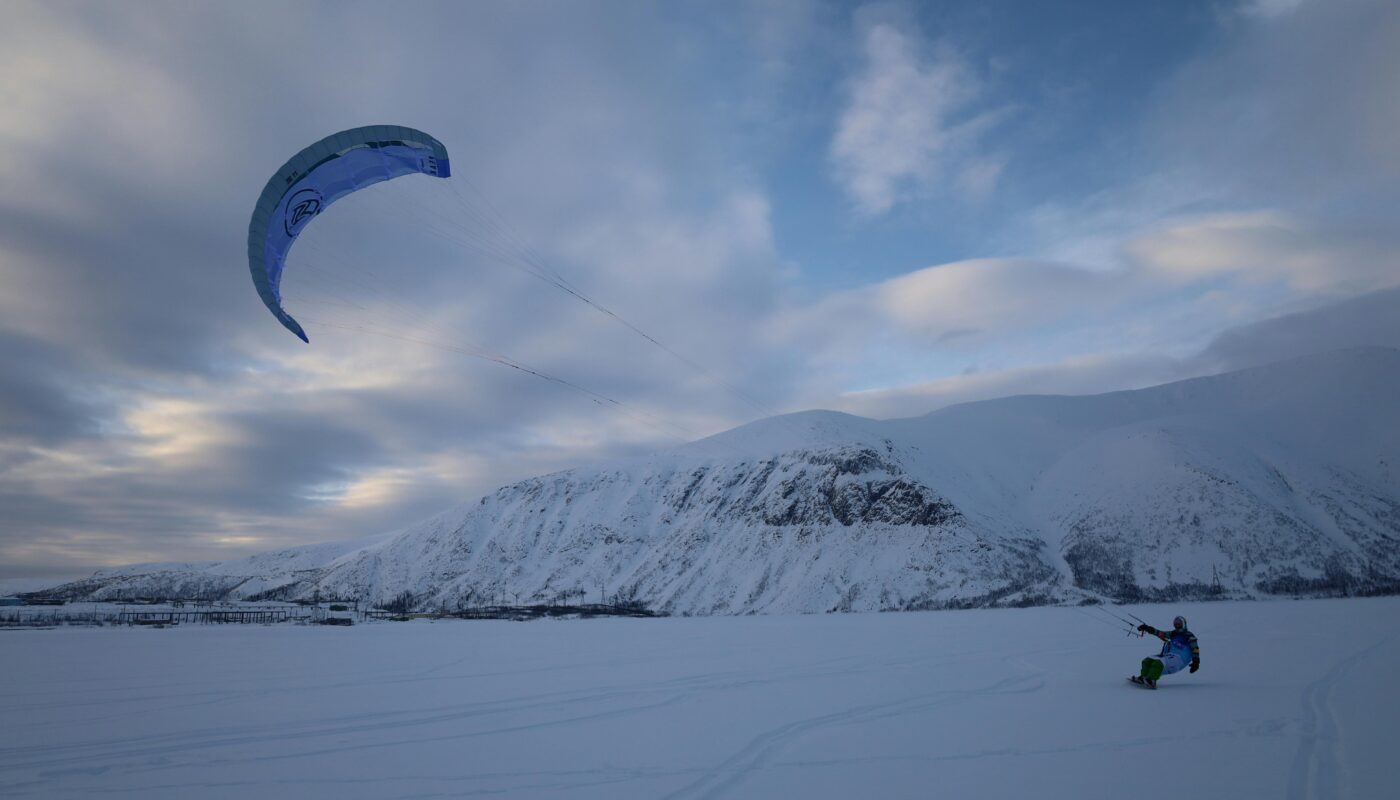
by Kite skiing—also known as snowkiting—is one of the fastest-growing winter adventure sports. Combining elements of skiing, snowboarding, and kite surfing, it allows riders to harness wind power to glide across snowy landscapes, climb hills effortlessly, and even perform aerial maneuvers.
For beginners, kite skiing looks magical: riders floating silently across frozen lakes or carving across open alpine plateaus powered only by wind. Yet behind this elegance lies a sport that demands patience, preparation, and respect for nature.
Many newcomers enter kite skiing with excitement but underestimate its technical and environmental challenges. Mistakes made early can lead to frustration, slow progress, or safety risks.
This guide explores the most common mistakes beginners make in kite skiing—and how to avoid them—so your learning journey becomes safer, faster, and far more enjoyable.
Understanding Kite Skiing Basics
Before discussing mistakes, it’s important to understand what kite skiing involves.
Unlike traditional downhill skiing, kite skiing relies on a traction kite that captures wind energy. The rider controls direction and speed through body positioning and kite handling rather than gravity alone.
Essential components include:
- A power kite
- Control bar and lines
- Harness
- Skis or snowboard
- Helmet and protective gear
Success depends on mastering wind awareness, balance, and coordination between body movement and kite control.
Mistake #1: Underestimating Wind Conditions
One of the biggest beginner errors is assuming wind behaves predictably.
Wind is dynamic. It changes direction, strength, and turbulence depending on terrain, temperature, and weather systems.
Common Problems Beginners Face
- Launching in gusty wind
- Practicing in winds that are too strong
- Choosing locations with obstacles that disturb airflow
Strong or unstable wind can overpower beginners, causing loss of control.
How to Avoid It
Start in moderate, steady wind conditions. Ideal beginner wind ranges allow learning without excessive force. Always check forecasts and observe local conditions before launching your kite.
Learning to read wind patterns is one of the most valuable kite skiing skills.
Mistake #2: Skipping Professional Instruction
Many beginners believe kite skiing is simply skiing while holding a kite. In reality, kite control requires specialized training.
Attempting to self-teach often results in:
- Poor technique habits
- Safety mistakes
- Slow progression
Certified instructors teach critical skills such as kite launching, emergency releases, and safe stopping techniques.
A few lessons dramatically reduce risk and accelerate confidence.
Mistake #3: Choosing the Wrong Kite Size
Kite size matters more than beginners realize.
A kite that is too large generates excessive power, while one that is too small makes movement difficult.
New riders often assume bigger equals better performance—but oversized kites are among the leading causes of beginner accidents.
Correct Approach
Kite size should match:
- Rider weight
- Wind strength
- Terrain type
Consult experienced riders or instructors when selecting equipment.
Mistake #4: Ignoring Safety Equipment
Because kite skiing feels smooth and graceful, beginners sometimes overlook protective gear.
This is a serious mistake.
Essential safety equipment includes:
- Helmet
- Goggles
- Gloves
- Impact protection
- Avalanche safety gear in alpine areas
Wind-powered sports can produce sudden acceleration. Protective equipment reduces injury risk significantly.
Mistake #5: Practicing in Poor Locations
Location choice dramatically affects learning success.
Beginners often attempt kite skiing in:
- Crowded ski slopes
- Forested areas
- Terrain with power lines or buildings
- Steep mountain faces
These environments create dangerous wind turbulence and obstacles.
Ideal Beginner Terrain
- Wide frozen lakes
- Open snowfields
- Flat terrain with minimal obstacles
Open spaces allow safer mistakes while learning control.
Mistake #6: Focusing Only on Ski Skills
Experienced skiers sometimes struggle with kite skiing because they rely too heavily on downhill techniques.
Kite skiing is primarily about kite control, not skiing ability.
Beginners who focus only on edging skis without understanding kite positioning often lose power or balance.
The kite drives movement. Skis guide direction.
Learning to “fly the kite first” accelerates improvement.
Mistake #7: Poor Kite Control Practice
Many beginners rush onto skis without mastering kite handling.
Ground practice is essential.
Before skiing, learners should practice:
- Launching and landing the kite
- Steering patterns
- Power control
- Emergency depowering
Spending time flying the kite on foot builds muscle memory and confidence.
Mistake #8: Standing Too Upright
Body posture plays a major role in stability.
Beginners often stand upright as they would while skiing downhill. This position reduces balance when the kite pulls forward.
Correct Position
- Lean slightly against the kite’s pull
- Keep knees flexible
- Maintain low center of gravity
Balanced posture helps absorb wind changes smoothly.
Mistake #9: Overpowering the Kite
New riders frequently pull the kite aggressively to generate speed.
This causes:
- Sudden acceleration
- Loss of control
- Hard falls
Kite skiing rewards subtle control rather than forceful movement.
Smooth steering produces more efficient and safer motion.
Mistake #10: Forgetting About Upwind Travel
Beginners often learn how to move but struggle to return to their starting point.
Upwind riding requires edging techniques combined with precise kite positioning.
Without this ability, riders must walk back after drifting downwind, which is a taxing experience.
Practicing upwind travel early improves independence and enjoyment.
Mistake #11: Neglecting Weather Awareness
Weather awareness extends beyond wind speed.
Important factors include:
- Incoming storms
- Temperature drops
- Visibility changes
- Snow conditions
Mountain weather can shift rapidly. Responsible riders constantly monitor conditions and exit early if weather becomes unstable.
Mistake #12: Launching Without a Safety Plan
Every kite skier should plan for unexpected situations.
Beginners sometimes launch without considering:
- Where they will stop
- Escape routes
- Safe landing zones
Before starting, always identify clear areas for controlled stops and emergency releases.
Preparation prevents panic.
Mistake #13: Learning Alone
Kite skiing is safer and more enjoyable with others.
Solo beginners lack:
- Assistance during launch
- Emergency support
- Real-time feedback
Joining a local snowkiting community helps beginners learn faster while maintaining safety.
Mistake #14: Progressing Too Quickly
After early success, many beginners attempt jumps or advanced maneuvers prematurely.
Common risks include:
- Misjudged lift
- Hard landings
- Equipment damage
Skill progression should follow stages:
- Kite control
- Stable riding
- Upwind travel
- Speed control
- Advanced maneuvers
Patience leads to long-term success.
Mistake #15: Poor Equipment Setup
Incorrect line lengths, harness adjustment, or kite tuning can cause unpredictable handling.
Beginners should learn proper setup procedures, including:
- Line inspection
- Safety system checks
- Correct harness fit
Well-maintained equipment performs consistently and safely.
Mistake #16: Ignoring Physical Fatigue
Kite skiing engages core muscles, legs, and arms continuously.
Beginners often ride too long, leading to fatigue-related mistakes.
Taking breaks:
- Improves focus
- Prevents injury
- Maintains energy levels
Listening to your body is part of responsible progression.
Mistake #17: Overlooking Environmental Responsibility
Kite skiing often takes place in pristine winter landscapes.
Responsible riders:
- Avoid wildlife areas
- Respect local regulations
- Leave no trace
Protecting natural environments ensures continued access to snowkiting locations.
Building Confidence the Right Way
Avoiding mistakes transforms the learning experience.
Successful beginners typically:
- Start with lessons
- Practice consistently
- Ride in safe conditions
- Progress gradually
Confidence develops naturally when skills build step by step.
Why Beginners Fall in Love With Kite Skiing
Despite its challenges, kite skiing offers experiences few winter sports can match.
Riders enjoy:
- Silent travel across vast snowfields
- Effortless uphill climbing
- Endless exploration possibilities
- A unique connection with wind and landscape
Mastering the sport brings a sense of freedom rarely found elsewhere.
Final Thoughts
Every kite skier begins as a beginner, and mistakes are part of learning. The difference between frustration and success lies in preparation, patience, and respect for both wind and environment.
By understanding common beginner errors—such as ignoring wind conditions, skipping instruction, or rushing progression—you dramatically improve safety and enjoyment.
Kite skiing rewards those who approach it thoughtfully. With the right mindset, proper training, and steady practice, beginners quickly transform uncertainty into confidence and discover why this wind-powered sport continues to captivate adventurers worldwide.