 by
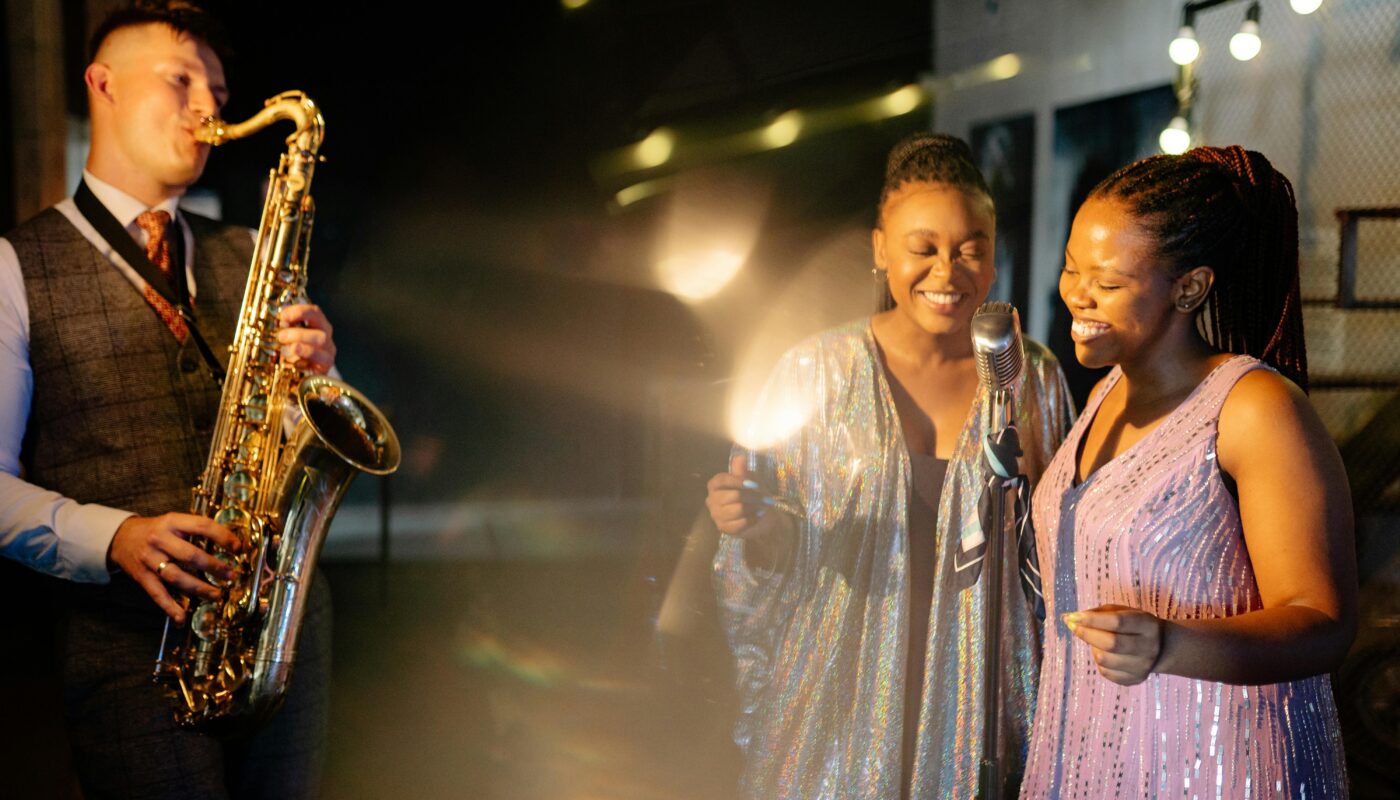
by Stepping into a jazz venue for the first time can feel both exciting and mysterious. The dim lighting, the quiet anticipation of the crowd, and the spontaneous energy of the musicians create an atmosphere unlike any other musical setting. Jazz concerts are not just performances; they are living, evolving conversations between musicians and audiences. For newcomers, understanding the unwritten rules of jazz etiquette can make the experience far more enjoyable and respectful for everyone involved.
Jazz culture has developed over more than a century, shaped by legendary performers and passionate audiences. From the early innovations of pioneers like Louis Armstrong to the improvisational brilliance of Miles Davis, jazz has always valued attentiveness, appreciation, and community. Whether you’re attending a small club performance or a large festival, knowing how to behave in a jazz setting helps you connect with the music on a deeper level.
This guide will walk you through the essentials of jazz etiquette so your first experience becomes memorable for all the right reasons.
Understanding the Spirit of Jazz
Before discussing etiquette, it helps to understand what makes jazz unique. Unlike many other genres, jazz thrives on improvisation. Musicians often create music in real time, responding to each other’s rhythms, melodies, and energy. Because of this spontaneity, each performance is truly one-of-a-kind.
Artists such as John Coltrane and Ella Fitzgerald helped elevate jazz improvisation into a sophisticated art form. When you attend a jazz performance, you’re witnessing musicians inventing music in the moment—something that deserves both attention and appreciation.
This improvisational nature is why audience behavior matters so much. The mood and attentiveness of the audience can influence the energy of the performers.
Arrive Early and Settle In
Arriving early is one of the simplest yet most important aspects of jazz etiquette. Many jazz performances occur in intimate venues where late arrivals can disrupt the atmosphere.
Arriving early allows you to:
- Choose a comfortable seat
- Order food or drinks before the music begins
- Familiarize yourself with the venue’s environment
- Settle into the mood of the performance
Jazz venues often rely on quiet, focused listening. Walking in late or loudly searching for a seat can interrupt both the musicians and the audience.
Listen Actively
Listening is the core of the jazz experience. Jazz musicians constantly interact with one another through musical phrases, rhythm changes, and solos. Active listening helps you appreciate the creativity unfolding on stage.
Instead of treating jazz like background music, focus on:
- The instruments taking turns for solos
- Changes in rhythm or tempo
- The way musicians respond to each other
In jazz, the audience becomes part of the musical ecosystem. Your attention helps create the atmosphere that musicians thrive in.
Applaud at the Right Moments
Applause is welcomed in jazz, but timing matters. Unlike many classical concerts where applause is reserved until the end, jazz audiences often clap after a musician finishes a solo.
For example, if a saxophonist delivers an impressive improvisation, it’s common for the audience to applaud before the song ends. This encourages the musicians and acknowledges their creativity.
However, avoid clapping during delicate or quiet musical passages. If you’re unsure when to applaud, simply follow the crowd.
Respect the Silence
One hallmark of great jazz performances is dynamic contrast. Musicians frequently shift from energetic passages to soft, intimate moments. During these quieter sections, silence from the audience becomes crucial.
Avoid:
- Talking during performances
- Using loud phone notifications
- Clinking glasses or utensils unnecessarily
Even small noises can carry across a quiet room. Everyone can enjoy the music to the fullest when these quiet times are respected.
Keep Conversations to a Minimum
Jazz clubs can feel relaxed and social, but conversations should be kept brief and quiet once the music starts. Loud conversations can easily distract performers and listeners.
If you want to talk extensively with friends, wait for:
- Intermissions
- Set breaks
- After the performance
This courtesy ensures the focus remains on the music.
Avoid Excessive Phone Use
One of the most important modern etiquette rules is limiting phone use during a performance. Bright screens and camera flashes can distract both musicians and audience members.
If you want to take photos or videos:
- Check if the venue allows it
- Disable flash
- Keep recordings brief
Some venues encourage audiences to remain fully present rather than documenting every moment.
Support the Venue and the Artists
Many jazz performances take place in small venues that rely heavily on audience support. Ordering a drink, purchasing merchandise, or tipping staff helps sustain the local jazz scene.
You can also support artists by:
- Buying albums or vinyl records
- Following them on streaming platforms
- Attending future performances
Jazz has historically thrived because of strong community support, from local clubs to global festivals.
Dress Appropriately for the Venue
Jazz concerts don’t usually require formal attire, but dressing appropriately shows respect for the environment. The dress code often depends on the venue.
For example:
- Upscale jazz lounges may encourage smart-casual outfits
- Outdoor festivals allow relaxed clothing
- Historic venues may lean toward semi-formal styles
The goal isn’t strict fashion rules—it’s simply blending comfortably with the atmosphere.
Learn About the Musicians
Taking a few minutes to learn about the performers before the show can enrich your experience. Jazz musicians often bring unique influences and styles to their performances.
For instance, artists inspired by legends like Duke Ellington might incorporate swing-era arrangements, while those influenced by Herbie Hancock may explore fusion or experimental sounds.
Understanding these influences helps you appreciate the performance more deeply.
Engage with the Music Emotionally
Jazz is deeply expressive. Musicians often communicate complex emotions through improvisation. As a listener, allow yourself to engage with the music emotionally.
You might find yourself:
- Nodding along to the rhythm
- Smiling during playful musical exchanges
- Feeling reflective during slow ballads
These natural reactions are part of the jazz tradition and create a shared experience between the audience and performers.
Participate Respectfully
Some jazz environments encourage subtle audience participation. You might hear listeners softly cheering, snapping fingers, or murmuring appreciation during impressive solos.
However, participation should remain respectful and understated. Avoid shouting over the music or interrupting the performance.
Jazz appreciation is often expressed through quiet enthusiasm rather than loud celebration.
Understand Set Structure
Jazz concerts typically follow a structure of multiple sets separated by short breaks. Each set may include several pieces lasting anywhere from five to twenty minutes.
During breaks, you can:
- Talk with friends
- Order refreshments
- Discuss the performance
- Stretch or step outside
Returning promptly for the next set helps maintain the rhythm of the evening.
Be Open to Improvisation and Experimentation
Jazz is unpredictable by design. Some pieces may sound familiar and melodic, while others may explore complex harmonies or unconventional rhythms.
If a performance becomes experimental, try to approach it with curiosity rather than confusion. Jazz musicians often push boundaries, creating new musical ideas in real time.
The willingness to explore unfamiliar sounds is part of what makes jazz audiences unique.
Appreciate the History of Jazz
Jazz is deeply rooted in cultural history. It emerged from African American communities in the early 20th century and evolved through countless styles including swing, bebop, cool jazz, and fusion.
Understanding this heritage adds depth to your listening experience. Musicians today continue a tradition shaped by legends such as Charlie Parker and Billie Holiday.
Respecting jazz etiquette is also a way of honoring the cultural legacy behind the music.
Interact with Musicians After the Show
If you enjoy the performance, many jazz musicians appreciate meeting audience members after the show. Small venues often allow opportunities to thank performers, ask questions, or purchase merchandise directly from them.
When interacting with musicians:
- Be respectful of their time
- Offer genuine compliments
- Avoid interrupting if they’re busy packing equipment
These interactions can create memorable moments and strengthen connections within the jazz community.
Relax and Enjoy the Experience
Most importantly, remember that jazz is meant to be enjoyed. While etiquette helps maintain a respectful environment, the ultimate goal is to immerse yourself in the music.
Jazz performances are spontaneous, emotional, and often unpredictable. By listening attentively, supporting the artists, and respecting the venue, you become part of the living tradition that keeps jazz vibrant.
Your first jazz concert may open the door to a lifelong appreciation of the genre. With its rich history, dynamic creativity, and intimate connection between performers and listeners, jazz offers an experience unlike any other.
Final Thoughts
Attending your first jazz performance can feel like stepping into a cultural tradition filled with nuance and passion. From understanding when to applaud to appreciating the artistry of improvisation, jazz etiquette helps create an environment where both musicians and audiences can thrive.
By following these simple guidelines—arriving early, listening attentively, respecting the atmosphere, and supporting the performers—you’ll quickly feel at home in the jazz world. Whether you’re watching rising local artists or internationally renowned performers, every concert offers a chance to witness creativity unfolding in real time.
Once you experience the magic of live jazz, you may find yourself returning again and again—not just for the music, but for the unique sense of connection that only jazz can create.