 by
by The Engadin region in southeastern Switzerland is a dream destination for trail runners. Known for its dramatic alpine scenery, crystal-clear lakes, and expansive mountain trails, Engadin offers both beauty and challenge in equal measure. However, running here is not the same as running in lowland forests or urban parks. The terrain is rugged, the elevation is significant, and weather conditions can shift rapidly.
To fully enjoy—and safely navigate—this alpine environment, runners need gear specifically suited to Engadin’s unique conditions. This guide explores the most important trail running equipment, explaining how each piece contributes to performance, safety, and overall comfort.
Why Engadin Terrain Demands Specialized Gear
Engadin’s trails present a mix of environmental factors that directly impact your gear choices:
- High elevation leads to thinner air and increased sun exposure
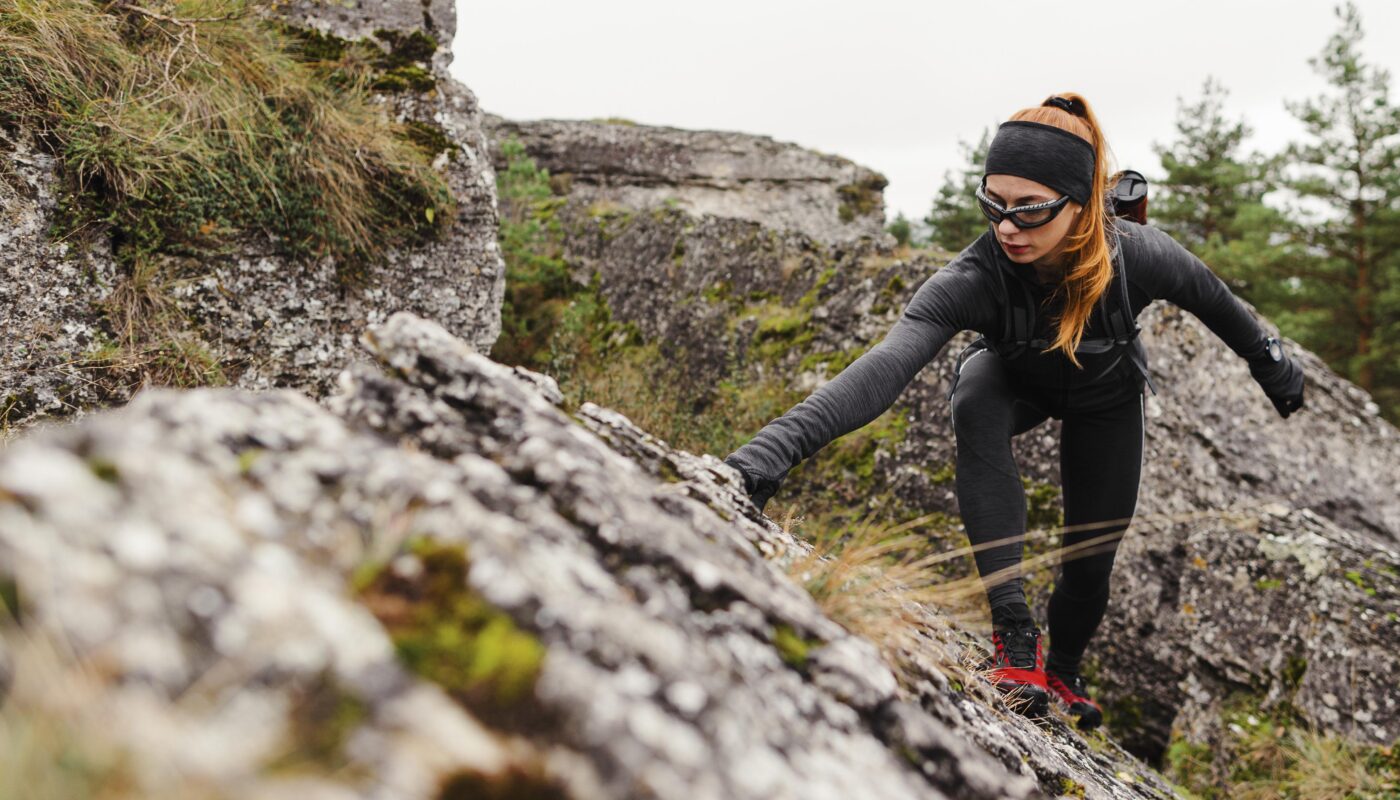
- Technical paths include rocks, steep gradients, and narrow ridgelines
- Rapid weather changes can bring wind, rain, or cold within hours
- Variable surfaces range from dirt trails to snow patches and loose gravel
- Water exposure from streams and melting snow is common
Because of these factors, gear must be lightweight enough for endurance yet durable enough to handle harsh alpine conditions.
Trail Running Shoes: Built for Grip and Protection
Your shoes are the most important part of your setup when running in Engadin.
What Makes the Right Shoe?
Strong Traction
Alpine terrain requires dependable grip. Shoes with aggressive tread patterns help maintain stability on loose gravel, rocky slopes, and muddy paths.
Stability on Uneven Ground
Flat, predictable surfaces are rare here. Shoes should provide lateral support to reduce the risk of ankle twists on uneven terrain.
Underfoot Protection
Sharp rocks and hard surfaces are common, so shoes with protective features like reinforced soles or rock plates are essential.
Quick-Drying Materials
Expect wet feet at some point. Breathable, fast-drying materials prevent discomfort and reduce the likelihood of blisters.
Choosing the Right Type
- General trail shoes work well for mixed routes
- Technical trail shoes are better for steep, rocky sections
- Water-resistant shoes can be helpful in colder months
A good pair of trail shoes should feel secure without being overly rigid, allowing both control and comfort.
Hydration Systems: Staying Fueled at Altitude
Running at altitude increases fluid loss, making hydration a priority.
Why Hydration Vests Work Best
Hydration vests are popular among trail runners for good reason:
- They distribute weight evenly across your torso
- They allow easy access to water and snacks
- They provide space for essential gear
Most runners opt for vests with front soft flasks, which are easier to use on the move.
Smart Hydration Tips
- Instead of waiting till you’re thirsty, drink frequently.
- Consider carrying a small water filter if you plan to refill from natural sources
- Adjust your water intake based on elevation and temperature
Clothing Strategy: Layering for Unpredictable Conditions
In Engadin, the weather can shift quickly—even within a single run. A layered clothing system helps you adapt without carrying excessive weight.
Base Layer
Choose a moisture-wicking top that keeps sweat away from your skin. This helps regulate body temperature during both climbs and descents.
Mid Layer
A lightweight insulating layer is useful for cooler mornings or higher altitudes.
Outer Layer
A windproof or waterproof jacket is essential. It should be compact enough to fit easily into your pack but durable enough to handle sudden storms.
Bottom Wear
Trail-specific shorts or tights provide durability and often include storage pockets for small items.
Essential Accessories for Alpine Running
Small accessories can make a big difference in performance and safety.
Sun Protection
At higher elevations, UV exposure is stronger. Sunglasses and a cap help protect your eyes and skin.
Trail Running Poles
Poles are particularly helpful on steep climbs and long descents. They enhance your balance and lessen the strain on your legs.
Headlamp
Even if you plan a daytime run, a headlamp is a smart backup in case your run takes longer than expected.
Navigation Tools
A GPS watch or navigation app can help you stay on track, especially in areas where trail markers are limited.
Safety Gear: Preparing for the Unexpected
Engadin’s beauty comes with a degree of isolation, so being prepared is crucial.
Must-Have Safety Items
- Compact first-aid kit
- Emergency blanket
- Energy snacks
- Fully charged phone
These items add minimal weight but can be invaluable in an emergency.
Seasonal Additions
- Microspikes for icy trails
- Gloves and neck gaiters for colder conditions
Being prepared for sudden weather changes is a key part of safe trail running in alpine environments.
Nutrition: Fueling for Elevation and Endurance
Running in Engadin requires more energy than running at lower elevations due to climbs and reduced oxygen levels.
Recommended Fuel Options
- Energy gels for quick energy
- Bars for longer-lasting fuel
- Electrolyte drinks to replace lost minerals
Best Practices
- Eat small amounts frequently
- Stay ahead of hunger and fatigue
- Adjust your intake depending on the intensity of your run
Choosing the Right Pack
A well-designed running pack ensures that your gear is accessible and comfortable.
Key Features
- Snug fit to prevent bouncing
- Lightweight construction
- Multiple compartments for organization
A poorly fitting pack can lead to chafing and discomfort, especially on longer runs.
Matching Gear to Different Trail Types
Engadin offers a wide variety of trails, and your gear should reflect the type of route you plan to run.
Easier Valley Trails
- Lightweight gear
- Minimal hydration
- Basic footwear
Intermediate Routes
- Moderate grip shoes
- Hydration vest
- Windbreaker
High Alpine Trails
- Technical shoes with strong grip
- Full safety kit
- Extra layers and poles
Adapting your gear ensures efficiency and safety across different environments.
Common Mistakes to Avoid
Even experienced runners can make errors in alpine conditions.
Underestimating the Terrain
What looks like a simple trail can quickly become technical and demanding.
Carrying Too Much
Overpacking can slow you down and cause fatigue.
Ignoring Weather Changes
Always check forecasts and prepare for sudden shifts.
Wearing Inappropriate Shoes
Road shoes lack the grip and protection needed for trail running.
Practical Tips for a Better Experience
- Start early to avoid afternoon storms
- Test your gear before long runs
- Train on hills to prepare your body
- Pace yourself at altitude
- Share your route with someone before heading out
Final Thoughts
Trail running in Engadin is both exhilarating and demanding. The region’s varied terrain and changing conditions require thoughtful preparation and the right equipment.
By focusing on:
- Reliable, grippy footwear
- Efficient hydration systems
- Adaptable clothing layers
- Essential safety gear
you can confidently explore Engadin’s trails while minimizing risk and maximizing enjoyment.
With the right setup, every run becomes more than just exercise—it becomes an immersive journey through one of the most breathtaking alpine landscapes in the world.