 by
by In a world that moves faster by the day, wellness retreats have become sought-after sanctuaries — places to renew energy, deepen self-knowledge, and restore balance. The wellness trend isn’t just about spa days or yoga classes anymore. Today’s travelers want meaningful, immersive experiences tailored to who they are and why they’re traveling. Whether it’s a couple seeking reconnection, a group of friends looking to recharge, or a solo adventurer pursuing inner clarity, customizable wellness retreats offer transformative experiences that fit individual needs.
Bespoke wellness retreats emphasize personalization, flexibility, and purposeful programming. Instead of “one-size-fits-all” packages, they allow participants to shape their own journeys along routes that blend relaxation, activity, education, and personal growth.
This article explores the rise of customizable wellness retreats and highlights how they can be designed for couples, groups, and solo travelers. We’ll examine what makes these retreats unique, what trends are shaping them, and how you can choose or design one that fits your goals.
Why Wellness Retreats Matter in a Modern World
Stress, burnout, and digital overwhelm have become common in today’s fast-paced culture. Many people are looking for intentional breaks — not just vacations, but restorative resets that promote long-term well-being. Wellness retreats answer this need by combining:
- Restorative practices like yoga, meditation, and breathwork
- Physical movement, such as hiking, swimming, or tai chi
- Nutritionally supportive meals
- Workshops on mindset, stress management, and holistic health
- Cultural immersion and connection with nature
What distinguishes customizable wellness retreats is the integration of autonomy for participants. Instead of following a rigid itinerary, participants co-design their experience based on their personal health goals, preferences, and rhythms.
The Rise of Customizable Wellness Retreats
Traditional wellness retreats have long offered structured schedules and fixed programming. While effective for many, these can feel limiting for others. In response, retreat providers are offering more flexibility — empowering travelers to tailor the experience to their needs.
Several factors have contributed to this shift:
1. Increased Focus on Personalization
People no longer want generic experiences. They want wellness to feel relevant to their goals — whether those are stress reduction, emotional healing, fitness improvement, or spiritual growth.
2. Diversity of Traveler Types
Wellness travelers aren’t all the same. Some seek solitude for self-reflection. Others want social, community-oriented experiences. Some want physical challenges, while others want restorative rest. Retreats that offer customization can appeal to all these needs at once.
3. Technology and Pre-Trip Planning Tools
Apps and digital platforms now allow retreat participants to set personal intentions, select sessions in advance, and communicate preferences before arrival. Each guest’s retreat is shaped in part by this pre-planning.
4. Integration of Wellness with Tourism
Wellness travel now intersects with adventure, cultural exploration, eco-tourism, and even luxury travel. Customizable retreats often combine activities like hiking, culinary experiences, spiritual workshops, and nature excursions — all according to traveler preference.
What Makes a Wellness Retreat Truly Customizable?
A retreat is customizable when it allows flexibility in core elements such as:
- Program selection — Guests choose from a variety of workshops, activities, or wellness modalities
- Intensity level — Participants can opt for gentle, moderate, or challenging experiences
- Schedule flexibility — Free time is built into the retreat so individuals can rest or explore independently
- Personal goal alignment — Sessions are tailored to individual well-being goals
- Group versus solo options — Activities can be shared with others or pursued individually
For many participants, the ability to choose their own path enhances both comfort and transformation.
Customizable Retreats for Couples: Reconnection and Shared Growth
Wellness retreats for couples are about more than relaxation — they emphasize reconnection, communication, and shared intentional experiences.
Why Couples Choose Wellness Retreats
Modern relationships face numerous pressures, from time scarcity to digital distractions, to stress spillover from work and family life. Retreats help couples step outside daily routines and focus on each other in a supportive, nurturing environment.
Core Features of Couples Wellness Retreats
1. Shared experiences with optional individual time
Couples can enjoy activities together — such as partner yoga, mindful nature walks, or meditation — while still having room for personal inner work.
2. Communication and relationship workshops
Many retreats offer workshops designed to deepen emotional connection and teach communication tools that couples can take home.
3. Balance of relaxation and shared adventure
From spa treatments and sound healing sessions to sunrise hikes and kayaking, couples can choose experiences that balance calm with shared achievement.
Example Itinerary Elements for Couples
- Morning partner yoga
- Breakfast with local, nutrient-rich foods
- Mindful hike through scenic landscapes
- Communication and trust workshops
- Optional spa treatments or meditation sessions
- Evening fire circles, stargazing, or candlelit dinners
Benefits for Couples
- Strengthened communication
- Harmonized energy and shared intentions
- Renewed intimacy and presence
- Tools for long-term relationship resilience
Customizable Retreats for Groups: Community and Shared Transformation
Group wellness retreats are ideal for friends, family groups, or special interest communities — such as yoga clubs, corporate teams, or spiritual circles.
These retreats blend individual growth with communal experiences that foster connection and collective reflection.
Why Groups Love Customizable Retreats
- Shared memories deepen relationships
- Group challenges build trust
- Custom goals can be aligned within the experience
- Learning and growth are amplified by community support
Features of Group Wellness Retreats
1. Group workshops and breakout sessions
Group retreats often include large gatherings as well as smaller breakout sessions, so members can attend what’s most relevant to them.
2. Shared accommodations or private options
Groups may choose shared villa-style housing or book private suites, depending on preference.
3. Team-building and shared reflection activities
Activities such as cooperative cooking classes, guided discussions, and intentional group reflections foster unity.
4. Flexible scheduling within a structured framework
While certain group sessions are shared, participants often have free time for personal wellness activities.
Example Group Themes
- Mindful leadership for corporate teams
- Yoga and meditation intensives with shared practice
- Art and movement retreats for creative expression
- Outdoor adventure wellness for hiking or paddling
Benefits for Groups
- Improved group cohesion
- Shared rituals and transformative experiences
- Flexibility for individual needs within a supportive collective
- Long-lasting memories and shared stories
Customizable Retreats for Solo Travelers: Exploration and Inner Discovery
Solo travelers are one of the fastest-growing segments of wellbeing retreats. Whether seeking spiritual growth, personal transformation, healing, or simply rest, solo retreats allow for deep self-inquiry and autonomy.
Why Solo Wellness Retreats Are Popular
- Time to reflect without distraction
- Opportunity to meet like-minded individuals
- Personalized pacing that supports self-care
- Safe environment for emotional exploration
Key Features for Solo Travelers
1. Personalized goal setting
Solo travelers can meet with retreat facilitators before arrival to set intentions and choose sessions tailored to their objectives.
2. Flexibility in pacing
Participants can choose more introspective experiences like silence days, journaling, or nature immersion — or join group activities when desired.
3. Options for social engagement
Many retreats offer optional social meals or group evenings, giving solo travelers the choice to connect.
4. Tools for self-reflection and integration
Solo retreats frequently include workshops on inner resilience, mindfulness, breathwork, and intentional planning for life beyond the retreat.
Example Activities for Solo Travelers
- Morning meditation followed by journaling
- Forest bathing walks
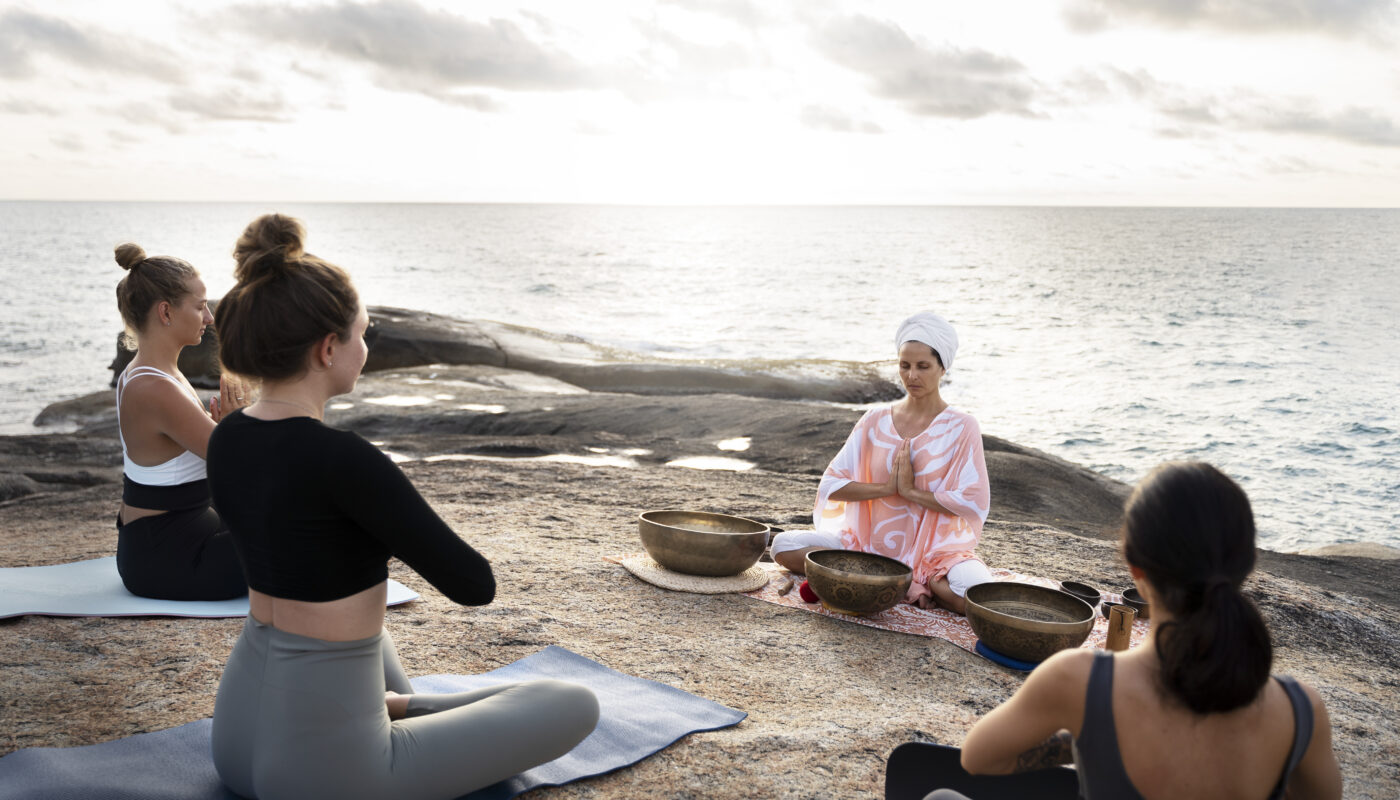
- Breathwork and sound healing
- Creative expression workshops
- Intentional goal setting and closing reflection
Benefits for Solo Travelers
- Deepened self-awareness
- Emotional release and resilience building
- New friendships and community connections
- Personal insights that translate into daily life
How to Choose or Design Your Customizable Retreat
Given the variety of options, choosing the right wellness retreat requires consideration of your personal goals and preferences.
1. Define Your Purpose
Ask yourself:
- Am I here to relax or to transform?
- Do I want a structured schedule or flexibility?
- Do I need solitude, social connection, or both?
- Are there specific practices (yoga, meditation, adventure) I want to include?
Defining your purpose sets the foundation for choosing the right retreat template.
2. Consider Duration and Timing
Wellness retreats vary widely in length:
- 2–4 days — Short reset
- 7 days — Balanced immersion
- 10–14 days — Deeper transformation
Also consider seasonal or weather influences if the retreat includes outdoor elements.
3. Look for Facilitators with Expertise
The best retreats are led by experienced facilitators — yoga teachers with certification, mental health professionals, nutritionists, or wellness coaches. Their guidance ensures safety and depth.
4. Check Customization Options in Advance
Before booking, ask:
- Can I choose my sessions?
- Is there a pre-trip consultation?
- Are there alternatives for different fitness levels?
- Can I modify my schedule on site?
Transparency about customization options helps avoid disappointment.
5. Budget and Value
A customizable wellness retreat can range from affordable to luxury-level pricing. Consider:
- Accommodation quality
- Included meals
- Facilitator experience
- Extra activities (spa, excursions, private sessions)
Factor these into your budget planning.
Emerging Trends in Customizable Wellness Retreats
As the travel world evolves, wellness retreats are embracing new directions:
🔹 Hybrid Retreats:
Combining virtual preparation with in-person immersion.
🔹 Eco-Conscious and Regenerative Travel:
Retreats that include sustainability practices and community engagement.
🔹 Wellness + Adventure:
Hiking, kayaking, surfing, and other physical elements combined with holistic practices.
🔹 Digital Detox Retreats:
Designs that deliberately limit connectivity for deeper presence.
🔹 Personal Health Integration:
Pre-retreat assessments (sleep, stress, lifestyle) that inform individualized plans.
Final Thoughts: Your Wellness, Your Journey
Customizable wellness retreats honor what long-term well-being always has: individual rhythms, authentic experiences, and intentional choices. They meet travelers where they are — emotionally, physically, spiritually — and help them move toward where they want to be.
Whether you arrive as a couple seeking reconnection, a group seeking shared renewal, or a solo traveler seeking inner clarity, a customizable retreat can be a launchpad for transformation, not just a pause in your life.
Wellness isn’t a destination. It’s a journey — and with the right retreat, you get to write your own itinerary.