 by
by Glacier caves are among the most mesmerizing natural wonders on Earth. Step inside one, and you enter a world sculpted by ice and time—glowing blue walls, echoing chambers, and shifting shapes that seem almost alive. Unlike limestone caves that may take millions of years to form, glacier caves are dynamic and ever-changing, evolving over seasons or even weeks.
These icy formations offer not only breathtaking beauty but also a fascinating glimpse into glacial processes and climate dynamics. In this comprehensive guide, we’ll explore how glacier caves form, why they appear so vividly blue, where you can experience them, and what you need to know before visiting.
What Is a Glacier Cave?
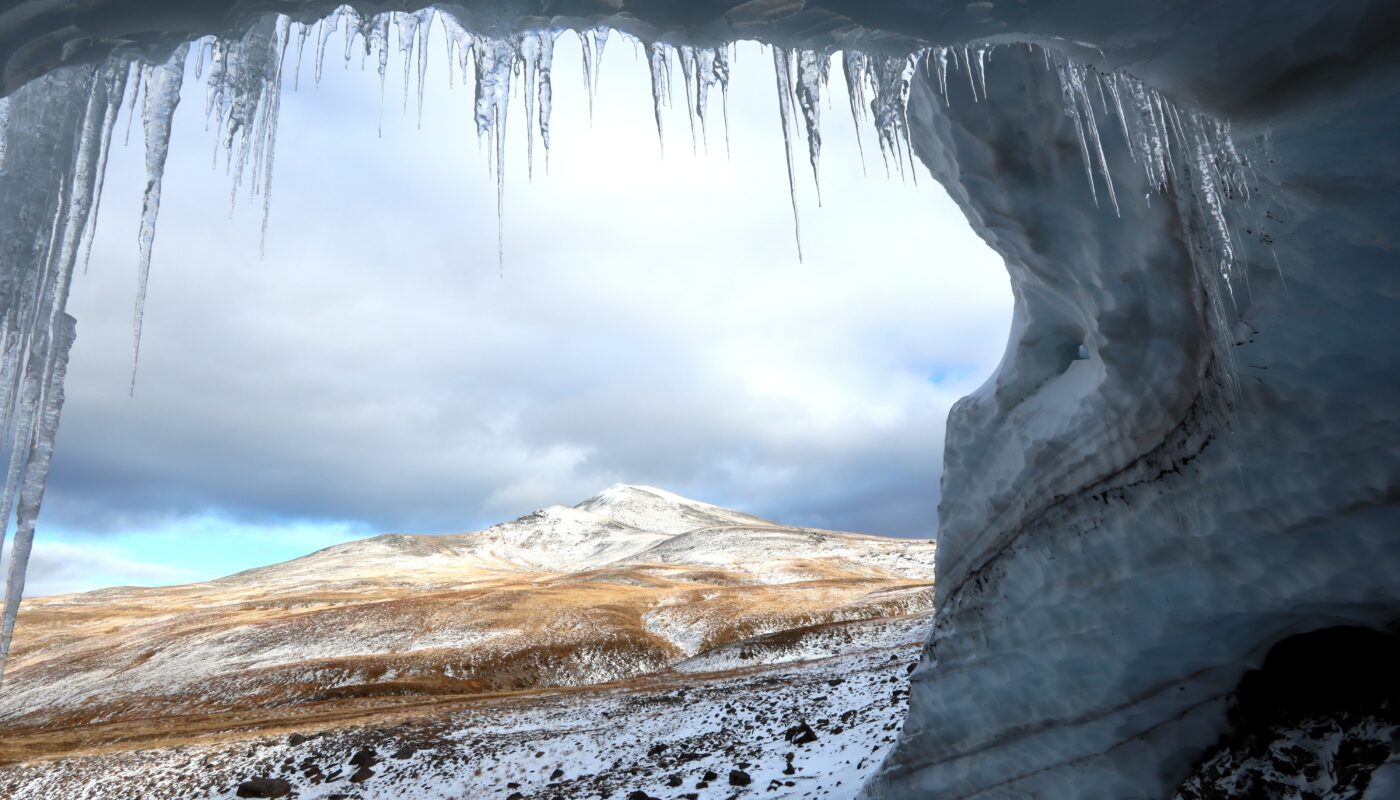
A glacier cave is a hollow space within or beneath a glacier, typically formed by melting processes. These caves are not permanent structures; they shift, collapse, and reform as the glacier moves and temperatures change.
Glacier caves can range from small tunnels to vast chambers large enough to walk through. Their interiors often feature smooth, curved walls and ceilings shaped by flowing water and ice movement.
How Glacier Caves Form
Understanding glacier caves begins with understanding glaciers themselves. Glaciers are massive bodies of compressed ice that slowly flow downhill under their own weight. As they move, they interact with heat, water, and air, creating conditions that lead to cave formation.
1. Meltwater Channels
The most common way glacier caves form is through meltwater. During warmer months, surface ice begins to melt, creating streams that flow across and into the glacier.
As water travels through the ice, it:
- Carves tunnels and channels
- Expands existing cracks
- Gradually shapes smooth, rounded passages
Over time, these channels can grow into large cave systems.
2. Subglacial Streams
In some cases, water flows beneath the glacier, creating caves at its base. These subglacial streams erode ice from below, forming tunnels that may extend for considerable distances.
These caves are often:
- Larger and more stable than surface caves
- Influenced by the terrain beneath the glacier
- Connected to glacial drainage systems
3. Geothermal Heat and Volcanic Activity
In volcanic regions, heat from the Earth’s interior can melt ice from below, forming glacier caves. This is particularly common in places like Iceland, where volcanic activity is widespread.
These caves can form even in winter, as geothermal heat continues to melt ice regardless of air temperature.
4. Air Pockets and Ice Movement
As glaciers flow, they can create internal fractures and air pockets. Over time, these spaces may expand into small caves, especially if melting occurs along their edges.
Why Glacier Caves Are Blue
One of the most striking features of glacier caves is their vivid blue color. This phenomenon is not due to reflections or lighting tricks—it’s a result of how ice interacts with light.
Glacial ice is extremely dense, having been compressed over time. When light enters the ice:
- Longer wavelengths (reds and yellows) are absorbed
- Shorter wavelengths (blues) are scattered and reflected
The result is the deep, luminous blue glow that makes glacier caves so visually captivating.
The intensity of the color depends on factors such as:
- Ice density
- Thickness of the walls
- Amount of trapped air bubbles
Are Glacier Caves Permanent?
No—glacier caves are constantly changing.
Because they are formed by melting and movement, their size and shape can shift rapidly. A cave that exists one season may collapse or transform the next.
This dynamic nature makes glacier caves both fascinating and unpredictable. It also means that visiting them requires caution and, often, professional guidance.
Best Places to Experience Glacier Caves
Glacier caves can be found in several parts of the world, particularly in regions with active glaciers. Below are some of the most remarkable destinations.
1. Iceland
Iceland is one of the most famous places to explore glacier caves, thanks to its combination of glaciers and volcanic activity.
Notable locations:
- Vatnajökull Glacier
- Langjökull Glacier
In winter, when circumstances are more stable, these glaciers have beautiful blue ice caverns that are frequently reachable.
Why visit:
- Intense blue ice formations
- Guided tours with safety equipment
- Unique interplay of fire (volcanoes) and ice
2. Switzerland
In the center of the Alps, Switzerland offers encounters in glacier caves.
Popular site:
- Rhone Glacier Ice Grotto
Unlike natural caves that change frequently, this grotto is carved and maintained for visitors, allowing easier access.
Highlights:
- Convenient access
- Educational displays
- Stunning interior lighting
3. Austria
Austria is home to both natural glacier caves and permanent ice caves.
Famous example:
- Eisriesenwelt Ice Cave
While not a glacier cave in the strict sense, it offers a similar icy experience within a cave system.
4. United States
In Alaska, glacier caves can be found within large ice fields.
Key destination:
- Mendenhall Glacier
Visitors can sometimes access ice caves formed by meltwater near the glacier’s edge.
5. New Zealand
New Zealand’s glaciers offer a unique setting where ice meets lush landscapes.
Notable glaciers:
- Franz Josef Glacier
- Fox Glacier
Caves here are constantly changing, making each visit different.
When Is the Best Time to Visit Glacier Caves?
The ideal time depends on location, but in many regions, winter is the safest season.
Why winter is preferred:
- Lower temperatures stabilize the ice
- Reduced melting decreases the risk of collapse
- Ice formations are more defined and visually striking
In contrast, summer caves may be larger due to melting but are often less stable.
Safety Considerations
Glacier caves are beautiful but can be dangerous if approached without proper precautions.
Key risks include:
- Sudden collapses
- Falling ice
- Rising water levels
- Hidden crevasses
Safety tips:
- Always go with a trained guide
- Wear appropriate gear (helmet, crampons, waterproof clothing)
- Avoid entering caves independently
- Check weather conditions beforehand
Guided tours are strongly recommended, as professionals understand the risks and monitor changing conditions.
The Science Behind Glacier Caves
Glacier caves are not just scenic—they are valuable for scientific research.
Researchers study them to:
- Understand glacial movement
- Analyze meltwater systems
- Investigate climate change effects
Because glacier caves respond quickly to environmental changes, they can provide early indicators of warming trends.
The Impact of Climate Change
Climate change is having a significant effect on glaciers and the caves within them.
Observed impacts:
- Increased melting rates
- Shorter lifespan of caves
- Greater instability
While melting can temporarily create larger caves, it also accelerates their collapse and disappearance.
This makes glacier caves both more accessible in the short term and more fragile in the long term.
What Makes Glacier Caves So Special?
Several factors contribute to the unique appeal of glacier caves:
- Color: The intense blue hues create an almost surreal atmosphere
- Light: Sunlight filtering through ice produces ever-changing patterns
- Texture: Smooth, sculpted walls feel both natural and artistic
- Impermanence: No two visits are ever the same
This combination of beauty and transience gives glacier caves a rare and captivating quality.
Conclusion
Glacier caves are extraordinary natural formations that offer a glimpse into the hidden world of glaciers. Formed by meltwater, geothermal heat, and ice movement, they are constantly evolving structures shaped by both nature and time.
From the brilliant blue caves of Iceland to the accessible ice grottoes of Switzerland, these destinations provide unforgettable experiences for travelers and researchers alike.
However, their beauty comes with fragility. As climate change accelerates glacier melting, these icy wonders may become less stable and, in some cases, disappear entirely.
Exploring a glacier cave is more than a visual experience—it’s a reminder of the dynamic forces shaping our planet and the importance of preserving them for future generations.