 by
by For endurance athletes, scenery isn’t just a backdrop — it’s motivation. The beauty of a trail can transform long miles into unforgettable experiences, encourage steady pacing, and lift spirits when fatigue sets in. From rugged mountain ridges and sweeping coastal paths to alpine valleys and forested corridors, the world offers a stunning array of trails that reward both body and soul.
This guide explores the most scenic running trails where endurance athletes can push performance, soak up vistas, and discover landscapes that make every step worthwhile. Whether you train for ultramarathons, love multi-day trail runs, or simply crave epic scenery on long runs, this list has something for you.
1. The West Coast Trail — Vancouver Island, Canada
Overview
Stretching roughly 75 kilometers along Canada’s Pacific coast, the West Coast Trail is legendary among hikers and ultra-runners alike. It winds across beaches, through rainforests, along cliff edges, and over ladders and boardwalks.
Why It’s Scenic
- Ocean panoramas with crashing waves and tidal channels
- Towering old-growth forest
- Occasional sightings of whales, seals, and eagles
- Rugged coastlines and hidden coves
Running Experience
This trail is not for speed — it’s technical with roots, rocks, mud, and tide-dependent sections. It’s ideal for ultra training, building strength and resilience while rewarding runners with spectacular views at every turn.
Best Time to Go
Late spring to early fall (May–September) when snow has melted and tides are manageable.
2. The Haute Route — Chamonix to Zermatt, Alps
Overview
One of the most iconic high-alpine runs in the world, the Haute Route covers around 180 kilometers between Chamonix (France) and Zermatt (Switzerland), traversing alpine passes, glaciers (via trails), and high-mountain valleys.
Why It’s Scenic
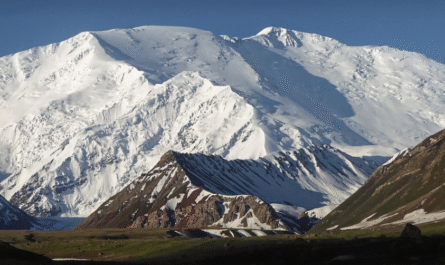
- Awe-inspiring views of Mont Blanc, the Matterhorn, and glacier fields
- High mountain passes above 2,500 meters
- Wildflower meadows and tranquil lakes
- Traditional alpine huts
Running Experience
Often done in stages over several days, the Haute Route is less about speed and more about endurance, elevation gain, and terrain navigation. It steals your breath — both from the climbs and the views.
Best Time to Go
July–September, when snow has receded and trails are fully open.
3. The Kalalau Trail — Nā Pali Coast, Kauai, Hawaii
Overview
Set on Kauai’s dramatic Nā Pali Coast, the Kalalau Trail is about 35 kilometers one way, running from Ke‘e Beach to Kalalau Beach through lush valleys and towering sea cliffs.
Why It’s Scenic
- Turquoise ocean vistas below vertical cliffs
- Waterfalls dripping from high ridges
- Tropical greenery and native birdsong
- Hidden beaches
Running Experience
This trail is rugged, with steep ascents and descents. While the full Kalalau requires backcountry permits, many runners tackle segments (such as Ke‘e to Hanakapiai) for a shorter but still stunning run.
Best Time to Go
Spring and fall offer mild temperatures and fewer crowds; always check weather and leave no trace.
4. The Lycian Way — Fethiye to Antalya, Turkey
Overview
About 540 kilometers long, the Lycian Way follows the Turkish Mediterranean coastline and ancient ruins. While most runners tackle segments, even shorter stretches offer scenic rewards.
Why It’s Scenic
- Aquamarine sea views framed by rugged cliffs
- Hidden coves and pebble beaches
- Lycian tombs and archaeological gems
- Olive groves and pine forests
Running Experience
The trail varies from easy coastal paths to rocky ascents, suitable for runners who love mixed terrain and cultural richness. Endurance athletes often run sections over a week or more.
Best Time to Go
Spring (April–May) or fall (September–October) when temperatures are cool and pleasant.
5. The West Highland Way — Scotland
Overview
This classic Scottish trail runs 154 kilometers from Milngavie (near Glasgow) to Fort William in the Highlands. It passes lochs, moors, glens, and rugged highland scenery.
Why It’s Scenic
- Calm lochs reflecting highland skies
- Rolling heather moors
- Mountain silhouettes like Ben Nevis
- Misty glens and stone bridges
Running Experience
Much of the route follows gentle gradients, making it favorable for multi-day runs and training on mixed terrain. Scottish rain adds a dramatic, moody beauty to every run.
Best Time to Go
June–September for longer daylight and fewer midges.
6. The Laugavegur Trail — Iceland
Overview
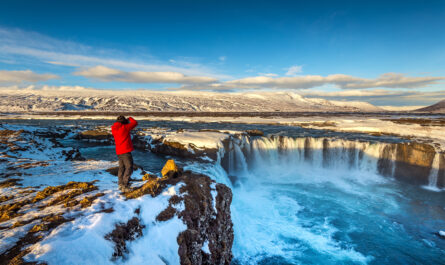
Spanning about 55 kilometers between Landmannalaugar and Þórsmörk, the Laugavegur Trail is one of Iceland’s most stunning routes, known for its dramatic contrasts.
Why It’s Scenic
- Vivid rhyolite mountains in oranges and reds
- Black lava fields and ash deserts
- Hot springs, sulfur vents, and glacial rivers
- Snow-capped peaks in every direction
Running Experience
Weather is unpredictable; trail conditions can change daily. Runners often carry gear for winter-like conditions even in summer. Still, the otherworldly scenery and terrain variation make this a favorite for ultra and adventure runners.
Best Time to Go
July–August when snow is minimal and trails are accessible.
7. The Tongariro Alpine Crossing — New Zealand
Overview
While the classic crossing is approximately 19.4 kilometers, runners often extend routes into multi-day circuits in Tongariro National Park, creating endurance challenges set amid volcanic landscapes.
Why It’s Scenic
- Emerald lakes in volcanic craters
- Steaming geothermal vents
- Red and black volcanic rock contrasted with alpine grasslands
- Panoramic views down to the Pacific Ocean
Running Experience
The crossing itself is moderately technical, with sudden weather changes and high wind potential. For endurance runners, linking multiple trails around the park offers intense elevation and wild beauty.
Best Time to Go
Summer and shoulder seasons (December–March) when weather is more stable.
8. The Inca Trail — Peru
Overview
Famous for leading to Machu Picchu, the classic Inca Trail runs about 43 kilometers through Andean landscapes, cloud forests, and ancient stone paths.
Why It’s Scenic
- Misty mountain peaks
- Terraced Inca ruins along the trail
- Lush highland forest
- Sacred sites with deep historical resonance
Running Experience
Strict permit systems and group limits apply, but runners who secure permits find the trail offers technical stone steps, rugged climbs, and unforgettable cultural context.
Best Time to Go
May–September during the dry season.
9. The Hajar Mountains — Oman/United Arab Emirates
Overview
For runners who crave desert-mountain interface, the Hajar Range offers trails that rise from deep valleys to rocky spires and canyons.
Why It’s Scenic
- Rust-colored canyon walls
- Oasis groves and wadis
- Panoramas over desert plains to jagged peaks
- Stark, dramatic light at sunrise and sunset
Running Experience
Heat and lack of water sources mean careful planning, but trails like Wadi Ghul to Jebel Shams provide sustained elevation, technical terrain, and unforgettable landscapes.
Best Time to Go
Autumn–spring (October–April) for milder temperatures.
10. The Dolomites Alta Via Trails — Italy
Overview
The Alta Via routes in the Dolomites — especially Alta Via 1 and 2 — stretch across dramatic limestone spires, vertical walls, and high mountain passes. Runners tackle these as multi-day adventures, often staying in mountain huts (rifugi).
Why It’s Scenic
- Towers of pale rock glowing at dawn and dusk
- High alpine meadows and tarns
- Sky-high ridges and deep valleys
- Endless summit viewpoints
Running Experience
These are steep, high-elevation trails requiring endurance, technical proficiency, and often GPS navigation. Still, they are bucket-list routes for many trail runners.
Best Time to Go
July–September when snow on high passes is minimal.
How to Choose Your Scenic Trail
When selecting your next long training run or endurance route, consider:
1. Distance and Elevation
Match trail length with your current training cycle. Longer routes with significant elevation gain suit seasoned ultrarunners.
2. Technical Difficulty
Smooth forest paths differ from rugged alpine terrain. Choose based on confidence and skill level.
3. Weather and Seasonality
High mountains and desert canyons vary drastically by season. Know weather windows before committing.
4. Logistics
Some trails require permits, reservations, or guided access (e.g., Inca Trail, certain alpine passes).
5. Support and Resupply
Remote runs need self-support plans (water, food). Others offer huts or villages en route for resupply.
Trail Running Safety — What Every Endurance Runner Should Know
Scenery is exhilarating, but safety is paramount:
- Check Weather Forecasts: Mountain storms and desert heat spikes can be dangerous.
- Hydration and Nutrition: Carry ample water or know where to refill.
- Navigation Tools: Maps, GPS, and offline apps are essential where signage is sparse.
- Tell Someone Your Plan: Remote areas may lack cell coverage.
- Layering and Gear: Pack for changing temps, especially at altitude.
- Leave No Trace: Respect landscapes, wildlife, and local cultures.
Conclusion: Run Where Scenery Inspires
The best scenic running trails are places that connect your physical journey with a broader sense of wonder. Whether you’re chasing ocean horizons on Kauai, alpine panoramas in Switzerland, or volcanic vistas in Iceland, these trails challenge your body and enrich your perspective.
For endurance athletes, scenery isn’t just beautiful — it motivates, calms, and carries you through long hours on the trail. Choose routes that resonate with your goals, respect the land you run on, and savor every breathtaking mile.