 by
by The Engadin Valley — stretching across southeastern Switzerland along the Inn River — is a breathtaking landscape of high alpine peaks, granite walls, and limestone crags that attract climbers from around the world. From single-pitch sport routes to multi-pitch trad climbs, bouldering zones, and mixed alpine walls, the region offers something for every rock enthusiast.
Yet the Engadin’s remoteness, rapid weather shifts, and high-altitude environments make preparation and gear selection essential for safe and successful climbs. Whether you’re a first-time visitor or an experienced climber venturing into Engadin’s granite corridors, this article provides a detailed essential gear checklist — covering everything from core climbing equipment to safety tools, clothing, and extras that enhance comfort and confidence on the rock.
1. Understanding the Engadin Climbing Environment
Before gear specifics, it’s important to understand what makes the Engadin unique:
- High elevation: Many crags and alpine routes sit above 2,000 meters (6,500+ feet), where weather changes quickly.
- Varied rock types: You’ll encounter granite, gneiss, and limestone, each with different friction and protection characteristics.
- Remote access: Some climbing areas are far from towns or can involve long approaches.
These factors influence gear choices, prioritizing safety, versatility, and weather adaptability.
2. Core Climbing Equipment
This section covers the basic gear you absolutely need for rock climbing in the Engadin.
2.1 Climbing Harness
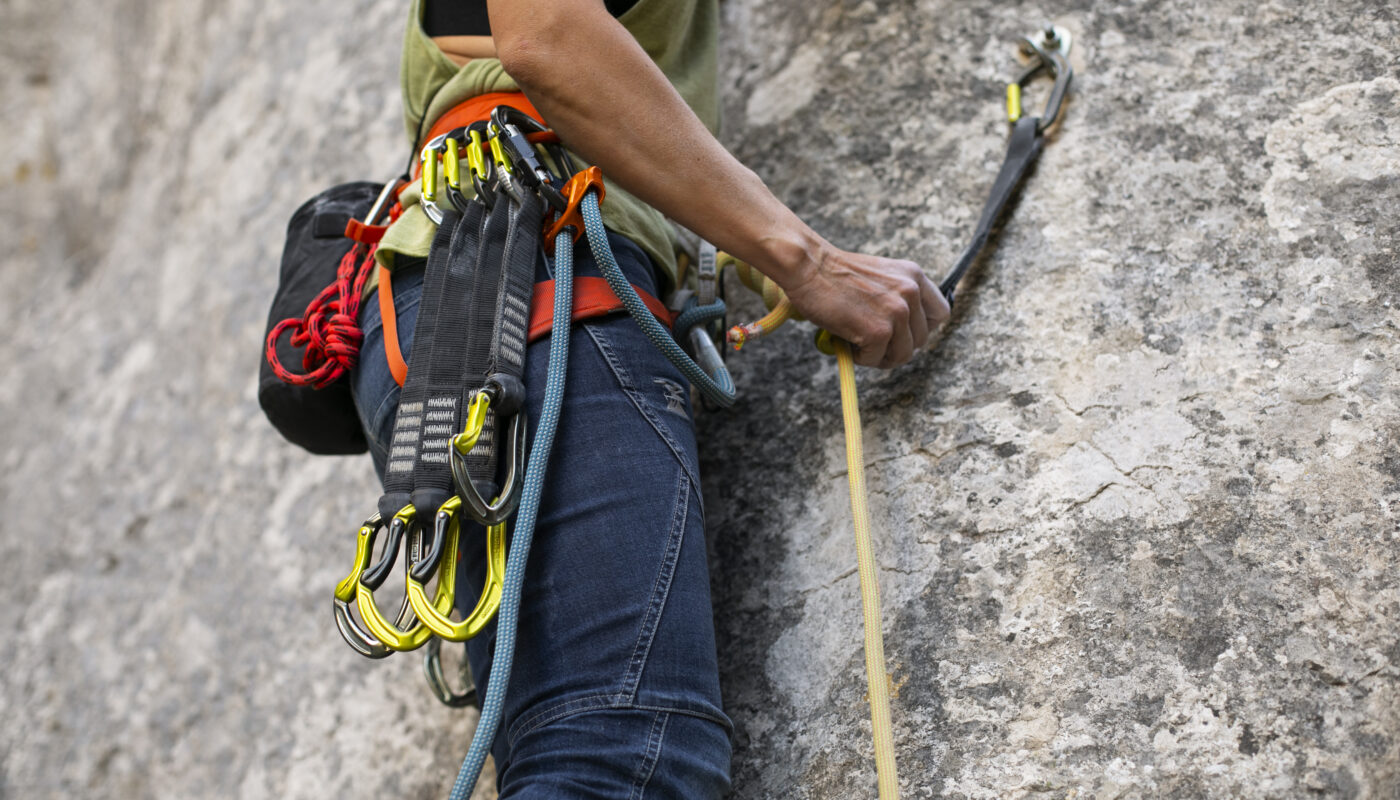
A properly fitted harness is your foundation for safety. When choosing one:
- Ensure it has adjustable leg loops (useful for layering over pants or shorts).
- Look for comfortable padding for long routes.
- Check for multiple gear loops to carry quickdraws, slings, and accessories.
Quality brands to consider include Black Diamond, Petzl, Mammut, and Edelrid.
2.2 Climbing Helmet
Not optional — a helmet protects against falling rock, gear from above, or unexpected slips.
Key features:
- Lightweight but robust shell
- Comfortable ventilation
- Adjustable fit systems
Swiss alpine regions like the Engadin can be prone to rockfall as temperatures shift, so a helmet is essential even on sport routes.
2.3 Ropes
Your choice of rope depends on climbing style.
- Single Rope (9.4–10.2 mm): Most versatile for sport and trad routes.
- Half Ropes (8.5–9.2 mm): Ideal for multi-pitch and wandering routes — reduces rope drag.
- Twin Ropes: Also good for alpine multi-pitch but require double clipping at all gear.
Dynamic ropes that absorb force during falls are key for climber safety.
2.4 Quickdraws and Protection
For bolted sport routes:
- Bring 12–18 quickdraws, depending on route length.
- Consider longer dogbone quickdraws in areas with potential rope drag.
For trad and alpine climbs:
- Carry a set of cams (SLCDs) covering a wide range of placements.
- Include a set of nuts and hexes.
- Bring extendable runners and slings to reduce rope drag.
Trad gear allows you to place protection in cracks and fissures where bolts aren’t present.
2.5 Belay and Rappel Devices
Choose a device that matches your rope type:
- Assisted-braking belay device (e.g., Petzl GriGri) for sport climbs.
- Tube-style devices (e.g., Black Diamond ATC) for versatile belaying and rappelling.
- Have locking carabiners dedicated for belay and rappel tasks.
3. Footwear: Climbing Shoes and Approach Shoes
Proper footwear greatly impacts your performance and comfort.
3.1 Climbing Shoes
Pick climbing shoes based on terrain:
- Aggressive shoe profiles for steep or overhung sport routes.
- Neutral or moderate shoes for longer multi-pitch and crack climbing.
Fit should be snug but not painfully tight — comfort matters on long routes.
3.2 Approach Shoes
Sturdy approach shoes or light hiking boots are essential for:
- Approaches on uneven granite slabs
- Trails through scree and scree gullies
- Descents when carrying your climbing pack
Good traction soles like Vibram are valuable in the Engadin terrain.
4. Clothing: Layering for Alpine Conditions
The Engadin valley can see rapid weather changes — sun one moment, rain or snow the next. Dressing in layers is key.
4.1 Base Layers
- Moisture-wicking tops and bottoms (merino wool or synthetic)
- Avoid cotton — it retains moisture and chills quickly
4.2 Mid Layers
- Insulating fleece or light jackets
- Useful when at belays or cliff ledges
4.3 Outer Shell
- Waterproof, windproof jacket (GORE-TEX or similar)
- Durable climbing pants with stretch for movement
4.4 Accessories
- Climbing gloves (for belays or cold belay stances)
- Sun hat and sunglasses (UV exposure high in alpine zones)
- Warm hat and thermal gloves for Unexpected weather or chilly mornings
5. Specialty Protection Gear (Depending on Climb)
Depending on the type of climbing you plan in the Engadin, you may need:
5.1 Crack Climbing Gear
- Nut tools to remove protection
- Finger tape for crack protection
5.2 Big Wall or Alpine Gear
- Portaledge or bivy gear if spending nights on the wall
- Ice tools and crampons if mixed or snowy approaches are expected
5.3 Anchors and Slings
Bring a variety of:
- 12–18 slings of different lengths
- Collars and personal anchor systems for secure belay stations
- Screw gates and locking carabiners for anchor building
6. Safety Essentials
Climbing in the Engadin demands respect for safety — both in climbing and alpine conditions.
6.1 First Aid Kit
Pack a lightweight kit with:
- Adhesive bandages
- Antiseptic wipes
- Blister care
- Pain relievers
- Elastic wraps
6.2 Emergency Communication
Mobile phone coverage can be patchy. Bring:
- Fully charged phone
- Portable power bank
- Satellite communicator or GPS beacon if venturing far from trailheads
6.3 Navigation Tools
- Physical maps
- Compass or GPS unit
- Route topo printouts
7. Weather Tools and Wind Indicators
The high Alps can be unpredictable. Use reliable weather forecasting tools:
- Wind meters and anemometers
- Weather apps with alpine forecasts
- Local mountain weather briefings
Watch for:
- Afternoon thunderstorms common in summer
- Rapid temperature swings
- Sudden winds in exposed ridgelines
8. Hydration and Nutrition
Keeping energy and hydration levels up is crucial.
8.1 Hydration
- 1–2 liters water at minimum
- Hydration bladder or water bottles
- Electrolytes for long, hot days
8.2 Nutrition
High-energy snacks like:
- Trail mix and nuts
- Energy bars
- Dried fruit
- Sandwiches for multi-pitch routes
Food not only fuels climbing but helps with mental focus and temperature regulation.
9. Pack Selection and Organization
A good climbing pack keeps gear secure and accessible.
9.1 Backpack Size
- 20–35 liters for sport/trad single day
- 35–50+ liters for multi-day or alpine big wall excursions
9.2 Pack Features
- Rope strap or top compartment rope storage
- Gear loops for quickdraws and cams
- Hydration bladder compatibility
- Durable materials and reinforced shoulder straps
10. Optional but Useful Extras
While not strictly essential, these extras improve comfort and convenience:
10.1 Chalk Bag and Chalk
Keeps hands dry for better grip.
10.2 Climbing Brush
For cleaning holds.
10.3 Camera or GoPro
To document unforgettable climbs and landscapes.
10.4 Tape for Hands
Useful for crack protection and skin support.
11. Environmental and Ethical Considerations
The Engadin’s pristine alpine environment deserves respect. Follow Leave No Trace principles:
- Pack out all waste
- Stay on established trails
- Respect wildlife and vegetation
Avoid leaving extra gear or taping permanent markers on rocks. Preserve crags for future generations.
12. Mental Preparation and Skills Training
Gear is only part of the equation. Climbers should also prepare mentally:
- Practice knots and belay skills before climbing
- Understand fall dynamics and rope management
- Train on similar terrain before challenging routes
Consider taking a mountain climbing course or hiring a local guide if you’re new to alpine environments.
13. Sample Gear Checklist (Printable)
Below is a condensed gear checklist to use before a climb:
Climbing Gear
- Climbing harness
- Helmet
- Ropes (single/half/twin)
- Quickdraws
- Protection (cams, nuts, hexes)
- Belay & rappel devices
- Slings & locking carabiners
Footwear
- Climbing shoes
- Approach shoes
Clothing
- Base layers
- Insulating layers
- Waterproof shell
- Gloves & hat
- Sunglasses
Safety
- First aid kit
- Emergency communication
- Navigation tools
Hydration & Nutrition
- Water & electrolytes
- High-energy snacks
Extras
- Chalk & brush
- Camera
- Tape
Conclusion
Rock climbing in the Engadin is an unforgettable experience: dramatic granite towers, sweeping valleys, and a sense of alpine solitude that few places can match. Yet this beauty comes with responsibilities — to the environment, to your climbing partners, and most importantly, to your own safety.
By using this essential gear checklist, you can prepare confidently, reduce risk, and focus on the joy of movement, challenge, and connection with one of Switzerland’s most spectacular climbing regions.