 by
by Each winter, the frozen surface of Lake St. Moritz transforms into one of the most remarkable sporting venues in the world. Known as White Turf, this iconic festival blends elite horse racing, alpine scenery, and elegant social gatherings into a spectacle unlike any other in global winter sports.
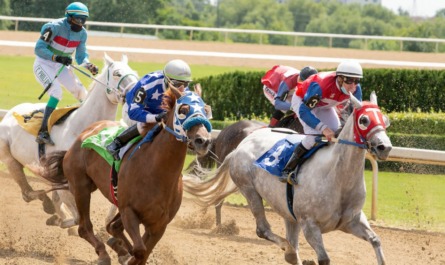
For first-time visitors, the atmosphere itself is unforgettable. Horses race across snow-covered tracks, skiers glide behind galloping horses in breathtaking skikjöring competitions, and spectators gather along the lake dressed in stylish winter fashion.
Whether you are visiting for the sport, the scenery, or the vibrant social scene, White Turf offers an experience that reflects the unique character of St. Moritz.
This guide introduces the event, its traditions, and what visitors can expect when attending this famous winter festival.
1. What Is White Turf?
White Turf is one of the most distinctive winter sporting events in Europe. Held annually during several weekends in February, the event has a history dating back more than a century.
The frozen lake becomes a temporary racecourse where three primary racing disciplines are held:
- Flat horse racing on snow
- Trotting races with sulkies
- Skikjöring, where a skier is pulled behind a galloping horse
This combination of sports, winter scenery, and cultural tradition has made White Turf one of the most recognizable events in the Swiss Alps.
2. The Atmosphere Around the Frozen Lake
White Turf is much more than a series of horse races. The event has evolved into a social and cultural gathering that attracts visitors from around the world.
Spectators come not only to watch the races but also to enjoy the lively atmosphere around the lake.
Visitors can experience:
- Gourmet food pavilions
- Champagne lounges and hospitality areas
- Live music and entertainment
- Elegant winter fashion and social gatherings
- Panoramic views of the surrounding alpine peaks
Many attendees treat the event as a celebration of winter culture in the Engadin Valley.
3. Understanding the Race Program
During each event day, several races take place throughout the afternoon.
Visitors typically receive a race program that lists:
- The schedule of races
- Participating horses
- Racing disciplines
- Background information about the competitors
Even spectators who are new to horse racing often find the program helpful for understanding the order of events and the structure of the race day.
4. A Historic Winter Tradition
White Turf has been part of St. Moritz’s winter identity for generations. The tradition began when early winter tourists sought creative ways to entertain themselves during the colder months.
Over time, the event evolved into an internationally recognized winter festival that combines sport, entertainment, and alpine lifestyle.
Today, White Turf reflects the long-standing connection between St. Moritz and winter tourism, a legacy that helped establish the region as one of the world’s most famous alpine destinations.
5. The Unique Sport of Skikjöring
One of the most exciting highlights of White Turf is skikjöring.
In this race, professional skiers are pulled behind galloping horses across the frozen track without reins. The skier balances while holding onto a harness attached to the horse.
The result is a dramatic display of speed and skill that draws loud cheers from spectators.
Skikjöring races are widely considered one of the signature attractions of the event.
6. Planning Your Visit
Visitors attending White Turf should consider several practical tips to make the most of the experience.
Dress warmly, as the event takes place outdoors on the frozen lake. Layered winter clothing, insulated footwear, and gloves are essential.
Arriving early also helps visitors explore the various hospitality tents, viewing areas, and food stalls before the races begin.
Many spectators choose to combine the event with other activities in the Engadin region, including skiing, spa visits, and scenic train journeys through the Swiss Alps.
7. The Social Side of White Turf
White Turf has long attracted an international audience. Guests include sports enthusiasts, travelers, and visitors interested in the lifestyle and elegance associated with St. Moritz.
The event often features:
- Fashionable winter outfits
- Luxury hospitality areas
- Fine dining experiences
- Cultural entertainment
For many attendees, the social atmosphere is just as memorable as the races themselves.
8. Enjoying the Event as a Spectator
Even for those unfamiliar with horse racing, the excitement of watching the races unfold on a frozen lake is captivating.
Spectators gather along the track, follow the action through announcers and event screens, and cheer for their favorite competitors.
The combination of snow-covered mountains, thrilling races, and lively crowds creates an atmosphere that is difficult to replicate anywhere else.
9. White Turf and the Identity of St. Moritz
Events like White Turf play an important role in shaping the global reputation of St. Moritz.
The town has long been associated with winter innovation, luxury tourism, and international sporting events. From hosting the Winter Olympics to organizing unique festivals on frozen lakes, the region continues to attract visitors seeking distinctive alpine experiences.
White Turf remains one of the most iconic expressions of this tradition.
10. Final Thoughts
Attending White Turf offers a rare opportunity to witness a sporting tradition that combines winter landscapes, equestrian sport, and social celebration.
For visitors traveling to St. Moritz in winter, the event provides a fascinating glimpse into the region’s culture and history.
Whether you come for the races, the scenery, or the festive atmosphere, experiencing White Turf on the frozen lake is an unforgettable part of the Engadin winter season.
Editorial Note
This article is intended for informational and cultural purposes, describing the atmosphere and traditions of the White Turf event in St. Moritz. Event activities, regulations, and participation guidelines may vary, and visitors should always follow local laws and the official instructions of event organizers when attending.