 by
by Saint Moritz — a jewel of the Swiss Alps known for elite winter sports, pristine lakes, high-end resorts, and rugged mountain peaks — might first bring to mind skiing and snowboarding. But this world-renowned location also attracts climbers year-round. In winter or during inclement weather, outdoor crags and alpine faces may be off-limits, yet climbing enthusiasts still need to train and stay sharp. Fortunately, indoor climbing gyms near Saint Moritz provide excellent options for strength building, technique refinement, and community connection.
This guide explores the best indoor climbing facilities around Saint Moritz, offers tips on planning your training days, explains how indoor climbing can support broader mountain skills, and shares practical advice for climbers traveling through the Engadin valley and surrounding regions.
Why Indoor Climbing Matters for Mountain Days
Indoor climbing isn’t just a rainy-day backup. It plays a central role in:
- Technique improvement — footwork, balance, and sequence reading
- Strength conditioning — targeted workouts that outdoor bouldering might not isolate
- Safety training — rope skills, top-rope practices, belaying, and dynamic movement
- Social engagement — meeting local climbers and sharing beta
- Consistency — training when weather or conditions aren’t safe outdoors
In mountainous regions like the Engadin, where weather can shift quickly, indoor climbing offers structured training that prepares your body and mind for challenging outdoor routes in summer and alpine expeditions in shoulder seasons.
What to Look for in an Indoor Climbing Gym
Before heading into a facility, it’s helpful to know what makes a great training space:
1. Route Variety
Look for gyms with:
- Top-rope walls
- Lead climbing walls
- Bouldering areas
- Overhangs and slabs
This diversity mimics different outdoor terrain.
2. Height & Space
Higher walls (10–15 meters or more) offer a better feel for rope handling and endurance training. Spacious bouldering zones allow for varied movement challenges.
3. Safety Infrastructure
Check for:
- Certified auto-belays
- Adequate matting
- Clearly marked fall zones
- Nearby staff trained in first aid
These elements make training safer and more enjoyable.
4. Community & Instruction
Friendly staff, group classes, and access to local climbers can enhance motivation and skill development.
Indoor Climbing Options Near Saint Moritz
Although Saint Moritz is a small mountain town without a sizable commercial climbing gym in the village, there are a few top-notch indoor climbing facilities nearby that are perfect for training days in between outdoor excursions. These might be anything from integrated sports centers with climbing walls to entire gym complexes.
Below are the top options accessible by car or public transport from Saint Moritz:
1. Boulderhalle Chur (Chur, GR)
Overview
Located in Chur, the oldest town in Switzerland, Boulderhalle Chur is one of the region’s best-developed climbing venues. It focuses primarily on bouldering — short, powerful climbing sequences without ropes — but also hosts training walls, technique features, and community events.
What You’ll Find
- Extensive bouldering terrain with problems of all grades
- Sloped traverses, overhangs, and vertical sections
- Training boards and campus rungs
- Changing rooms, showers, and social space
Why It’s Worth the Trip
Although north of Saint Moritz by around 1–1.5 hours by car or train, Boulderhalle Chur is a training destination in its own right. It’s ideal for climbers looking to hone:
- Finger strength
- Dynamic movement
- Problem solving on short routes
- Core stabilization
If your training goals include preparing for overhanging sport routes or serious bouldering circuits in the Alps, this gym delivers depth and variety.
Local Beta
- Plan a half-day or full-day session with climbing partners.
- Ask staff about local outdoor crags around Chur for once weather permits.
2. Kletterhalle Uri (Altdorf, UR)
Overview
Kletterhalle Uri is another expansive indoor gym located in Altdorf, slightly west of the Engadin region. It’s a well-rounded facility with both roped climbing walls and bouldering areas.
Facilities Include
- Lead and top-rope walls extending 12–15 meters
- Overhang and vertical features
- Dedicated bouldering sectors
- Technique and training zones
Why It’s Worth Visiting
Kletterhalle Uri bridges the gap between high-end gym training and outdoor climbing preparation. Its rope walls provide a great environment for:
- Practicing clip and stance drills
- Building endurance for multi-pitch routes
- Mastering footwork on longer climbs
The bouldering area allows for intense short sessions that target power and explosive movement.
Getting There
The gym is a good option for a training day stop while traveling through central Switzerland because it is easily accessible by vehicle from Saint Moritz (around two hours).
3. DAV Kletterzentrum (Various Locations, CH/DE/AT)
Overview
The Deutscher Alpenverein (DAV) operates climbing facilities in multiple regions; while there isn’t a DAV gym right in Saint Moritz, several centers in adjacent cantons and neighboring countries (e.g., Davos, Innsbruck area) provide quality training spaces often aligned with Alpine climbing culture.
Features You Can Expect
- Extensive climbing terrain of all styles
- Training boards, campus boards, and moonboards
- Professional instructional offerings
- Community events and workshops
Why It’s Relevant
If your travels take you into broader Alpine circuits, using DAV centers along the way can help you stay consistent with training and network with climbers who share alpine interests.
4. Local Multi-Sports Centers with Climbing Walls
Around the Engadin valley and nearby towns, multi-sports facilities often include climbing walls as part of a larger gym. While these may not offer the same depth as dedicated climbing centers, they are:
- More easily accessible from Saint Moritz
- Convenient for single training sessions or warmups
- A good option when traveling with mixed-interest groups
These walls may be smaller but are suitable for:
- Warm-ups before outdoor climbing
- Technique drills
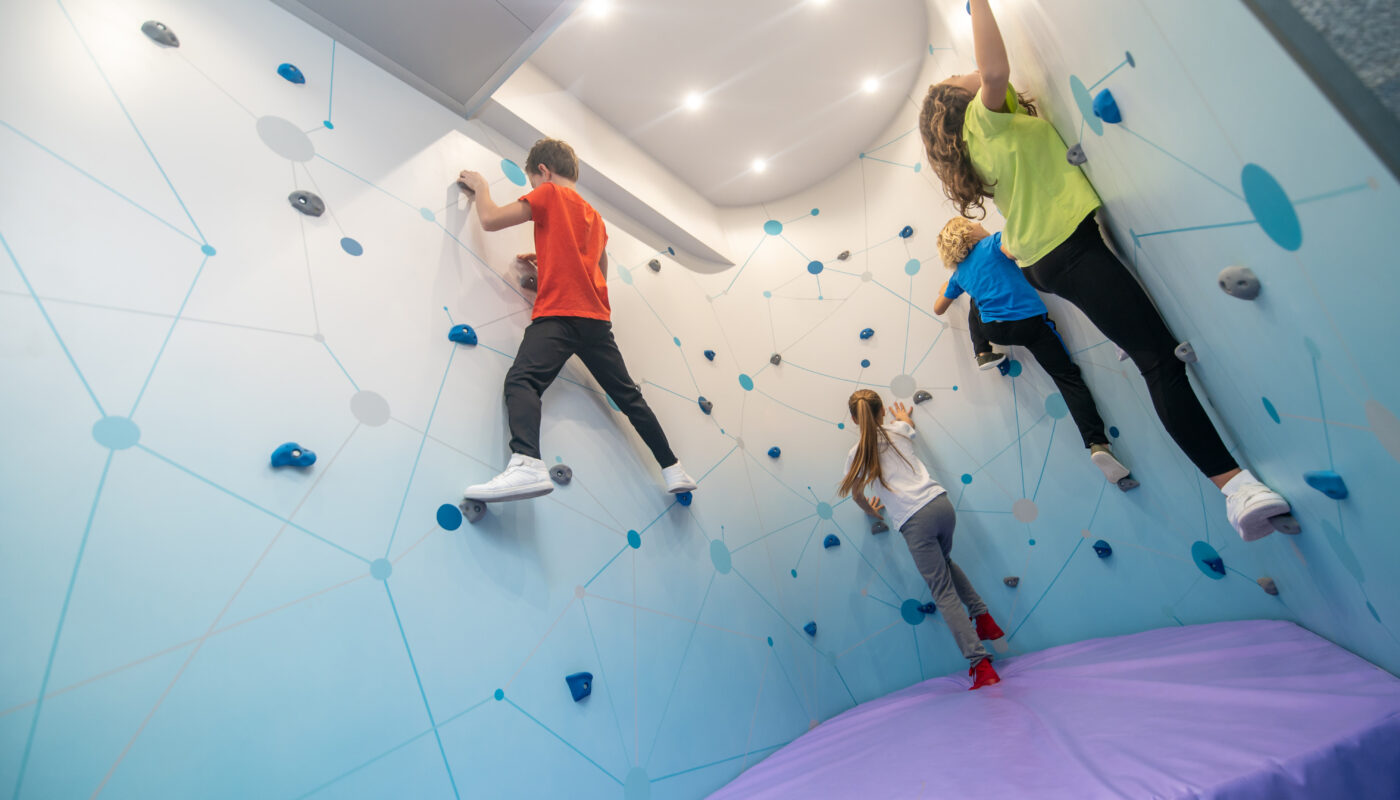
- Youth climbing activities
Check local listings or contact accommodations for up-to-date info on community sports centers with climbing amenities.
Climbing Training Tips for Indoor Days
Maximizing indoor climbing sessions means focusing on skills that transfer naturally to outdoor performance. Here are some training tips for climbers visiting Saint Moritz:
1. Work on Footwork Precision
Indoor walls allow you to slow down and focus on balance and foot placement — skills that are critical on alpine rock slabs and edges.
Drills to try:
- Silent feet (soft placements only)
- Smearing on slab angles
- Small foothold sequences on bouldering terrain
2. Build Endurance and Stamina
While bouldering builds power, rope walls/build hang boards refine stamina for longer outdoor routes.
Exercises include:
- Interval climbing with minimal rest
- Traversing long circuits
- Top-rope laps on endurance grades
3. Finger and Grip Training
Campusing and fingerboard holds are indoor strengths that translate to real rock, especially in alpine mixed terrain.
Safety note: Warm up thoroughly before fingerboard work to prevent strain injuries.
4. Technique and Beta Sharing
Climbing gyms are great places to:
- Watch others move and learn new body positions
- Ask local climbers for beta on regional routes
- Attend clinics when available
Engaging with the climbing community deepens both skill and local knowledge.
Winter Training Workflow for Visiting Climbers
Here’s a sample weekly training plan focused on preparation for outdoor alpine climbing, centered around indoor sessions:
Day 1 — Strength & Power
- Warm-up: Light bouldering
- Campus board sessions
- Overhang bouldering circuits
- Core and antagonist muscle work
Day 2 — Technique & Endurance
- Top-rope endurance laps
- Footwork drills on slab walls
- Traversal laps (light focus, low wind)
Day 3 — Rest / Complementary Fitness
- Snowshoe walk, easy hike, or yoga
- General conditioning
Day 4 — Project Session
- Work on specific routes/problems
- Video movement analysis
Day 5 — Outdoor Prep
- Easy outdoor multipitch or single pitch (if conditions permit)
- Apply indoor technique in a real environment
Combining Indoor Training With Exploration
Beyond climbing, Saint Moritz and the Engadin Valley make for breathtaking playgrounds:
- Snowshoe trails with dramatic vistas
- Cross-country skiing on classical tracks
- Ice skating on frozen lakes
- Mountain railways with scenic views
Pair indoor training days with broader regional activities for a balanced winter itinerary that elevates both fitness and experience.
Budget-Smart Climbing Travel Tips
Winter travel in Switzerland can be expensive, but climbers can save by:
1. Prioritizing Passes
Use Switzerland’s regional or national travel passes for trains and buses. Many climbing destinations near Saint Moritz are connected by efficient public transit.
2. Climbing Gym Day Passes
Look for multi-day or group discounts. Some gyms offer reduced rates for climbers who visit frequently.
3. Partner Sharing
Split gym entry, rental gear, and transport costs with partners.
4. Local Accommodation with Climbing Discounts
Some hostels or guesthouses partner with climbing facilities for bundled deals.
Conclusion: Training Smart, Climbing Strong Around Saint Moritz
Whether you’re preparing for high Alpine routes, building summer crag endurance, or simply keeping skills sharp during snowy spells, the areas around Saint Moritz offer excellent indoor climbing options. From focused bouldering halls like Boulderhalle Chur to multi-discipline facilities and community walls, climbers can find spaces that support strength, skill, technique, and community connection.
By combining indoor training with high-altitude exploration and smart travel planning, athletes can make the most of winter in the Alps — turning Saint Moritz into not just a winter sports destination, but a climbing training hub.