 by
by When the Alpine chill sets in — frost-tipped mornings, snow-covered peaks, and evenings that call for warmth and solace — nothing satisfies the soul quite like Swiss comfort food. Rooted in tradition, shaped by mountain life, and rich in flavor, the comfort dishes of Switzerland reflect centuries of Alpine living. These hearty staples not only restore energy after a day in the cold but also provide a window into Swiss culture and regional diversity.
From creamy cheese fondues shared around crackling fireplaces to dense porridges that fuel farmers before dawn, Swiss comfort foods are more than meals — they are experiences. In this article, we’ll explore the classic dishes, their origins, what makes them perfect for cold weather, and how they continue to unite families and communities during the long Alpine winters.
1. Why Swiss Cuisine Suits the Alpine Chill
Switzerland’s mountainous terrain shaped its cuisine in practical ways. Harsh winters and limited growing seasons encouraged dishes that are:
- Calorie-rich to sustain energy levels
- Warm and filling to counter frigid temperatures
- Made from preserved ingredients available year-round
- Communal in nature, befitting shared meals in cozy chalets
Traditional Swiss comfort foods are often based on dairy, bread, potatoes, and cured meats — staple ingredients in Alpine kitchens that store well and provide lasting nourishment.
2. Cheese Fondue: The Quintessential Alpine Comfort
What It Is
Cheese fondue is perhaps the most iconic of all Swiss comfort foods. It consists of a communal pot of melted cheese — usually a blend of regional varieties — served with chunks of crusty bread for dipping.
The Classic Blend
Every region in Switzerland claims its own fondue style, but traditional recipes often include:
- Gruyère – known for its rich, nutty flavor
- Vacherin Fribourgeois – creamy and smooth
- A splash of white wine and a hint of garlic
A bit of kirsch (cherry brandy) is sometimes added for depth.
Why It’s Perfect for Cold Weather
Cheese fondue is warm, rich, and sociable — a meal that brings people together, both physically and emotionally. After a day spent in the cold Alpine air, a bubbling caquelon (fondue pot) offers warmth from the inside out.
Tradition and Ritual
Fondue is more than food — it’s ritual. Dipping bread on long forks into shared cheese requires patience, attention, and laughter. In some regions, playful traditions attach meanings to dropped bread: a kiss for the dipper, or drinking wine from the pot for persistent slips.
3. Raclette: Melted Goodness with Stories to Match
What It Is
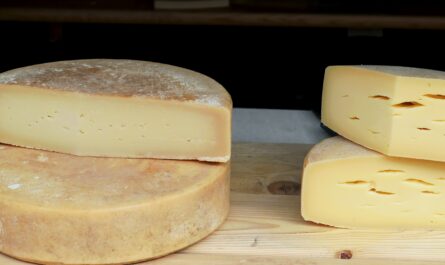
Raclette refers to both a type of cheese and a traditional dish in which the cheese is melted and scraped over accompaniments.
Serving Style
Traditionally, half a wheel of raclette cheese is heated near a fire or special grill. As the surface softens and bubbles, it is scraped onto:
- Boiled potatoes
- Pickles (cornichons)
- Pickled onions
- Cured meats and dried sausages
Why It’s Comforting
Like fondue, raclette is warm, convivial, and rich in flavor. Eating raclette involves slow, social pacing, making it ideal for evenings where the focus is food, company, and comfort.
Regional Identity
While both raclette and fondue are Swiss classics, raclette originates in the Alpine regions of Valais. Historically, herders heated wheels of cheese by the fire and scraped the softened surface onto bread. Today, modern raclette grills bring this tradition into homes year-round.
4. Älplermagronen: Swiss Alpine Mac ‘n’ Cheese
What It Is
Älplermagronen — literally “Alpine herdsman’s macaroni” — is Switzerland’s heartiest answer to mac ‘n’ cheese. It combines pasta, potatoes, cream, onions, and cheese into a rich, layered dish.
Typical Ingredients
- Short pasta
- Potatoes
- Cream and milk
- Grated cheese (often Gruyère or similar Alpine varieties)
- Sauteed onions
- Traditionally served with applesauce (a sweet, tangy complement)
Why It Warms You Up
This dish combines carbohydrates and dairy fats to produce an energy-dense meal — perfect after skiing, hiking, or shoveling snowfall. The creamy sauce and soft textures provide comfort in every bite.
Cultural Roots
Once a robust meal for alpine herders pushing livestock to high pastures, Älplermagronen has become a beloved Alpine classic across Switzerland.
5. Berner Platte: The Heavyweight Champion of Meats
What It Is
The Berner Platte — “Bernese platter” — is a rich ensemble of meats smoked or cured by tradition, served with hearty sides.
What You’ll Find
This abundant platter typically includes:
- Smoked pork
- Smoked beef
- Sausages
- Pork belly
- Cabbage and beans
- Potatoes or rye bread
Why It’s Ideal for Winter
Berner Platte packs flavor and calories in equal measure, with rich meats and robust sides that stick to the ribs. It’s perfect for large gatherings and festive occasions, especially in winter when fresh produce is scarce and preserved meats rule the kitchen.
Social Tradition
Originally a celebratory dish linked to harvest festivals and winter gatherings in Bernese households, it now graces tables across Switzerland during cold months.
6. Saffron Risotto: Golden Comfort of the Mountains
What It Is
In parts of the Alps — particularly around regions where saffron was historically cultivated — saffron risotto is a warm, aromatic comfort dish.
Ingredients
- Creamy risotto rice
- Local Alpine saffron, prized for its color and fragrance
- Butter, Parmesan, and sometimes white wine
Why It’s Both Elegant and Comforting
This creamy, fragrant dish warms the body and satisfies the senses. Saffron’s subtle floral notes bring warmth to the palate, while the rich rice and butter balance both flavor and temperature.
Historical Origins
Saffron, though now more commonly associated with Mediterranean cuisine, was historically cultivated in certain Alpine valleys that provided the cold-dry climates saffron crocuses enjoy. Over time, local cooks incorporated saffron into risottos and stews, elevating simple ingredients into a winter favorite.
7. Fondue Chinoise: Swiss Winter Hot Pot
While the name may recall East Asia, fondue chinoise is a Swiss adaptation that has become a winter staple.
What It Is
Thin slices of meat — typically beef, veal, or chicken — are simmered in a communal pot of broth. Diners then dip cooked pieces into sauces and enjoy with boiled potatoes or crusty bread.
Why It Warms You Up
Eating from a bubbling pot of flavorful broth provides not just warmth but also a social meal experience ideal for groups during icy weather.
Cultural Adoption
Introduced in the mid-20th century, fondue chinoise became popular in Switzerland as a festive winter meal, especially around Christmas and New Year’s celebrations.
8. Zopf and Other Comforting Breads
Swiss comfort food isn’t just savory stews and cheeses — it also includes rich, comforting breads.
Zopf
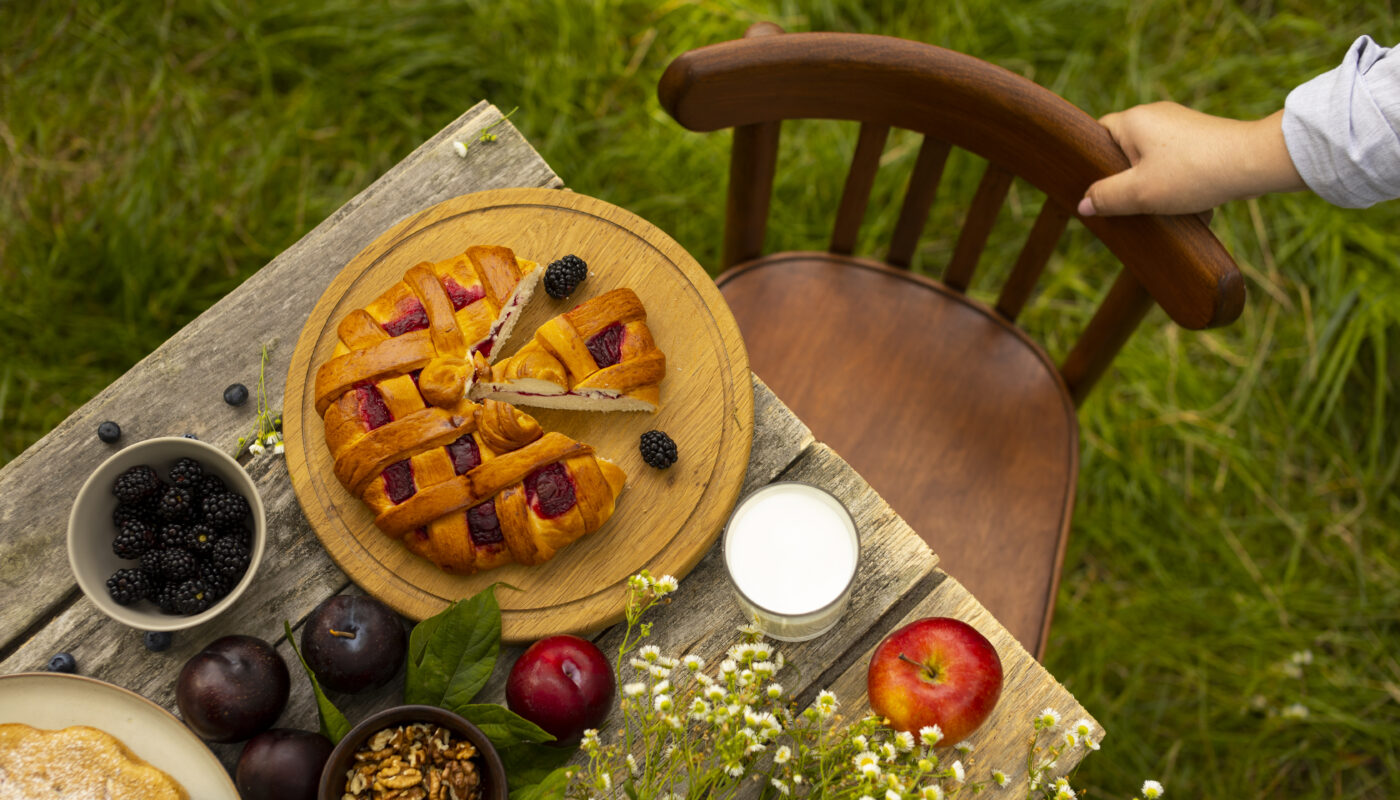
A braided Swiss bread made with butter and milk, zopf is soft, golden, and full-bodied — perfect with a slather of butter or honey and a mug of hot tea on a chilly morning.
Rye and Mountain Breads
Darker, dense loaves made from rye and whole grains provide sustenance for long days outdoors. They pair beautifully with cheeses, sausages, and spreads.
9. Sweet Comfort: Apple Strudel and Nussgipfel
No comfort spread is complete without something sweet.
Apple Strudel
This delicate yet hearty pastry layers spiced apples with flaky dough. Warm from the oven and often served with a dusting of powdered sugar or a scoop of vanilla ice cream, it’s a beloved Alpine treat.
Nussgipfel
A Swiss variation on the croissant, the nussgipfel is filled with a sweet nut paste — usually walnut or hazelnut — and toasted to perfection. It’s a staple in bakeries across Switzerland, especially in winter months when rich pastries offer sweetness and warmth.
10. Beverages That Comfort the Cold
Swiss comfort drinks are as vital to Alpine chill relief as the food itself.
Hot Chocolate with Local Milk
Swiss hot chocolate is famously rich, made with full-fat milk and high-quality chocolate. A mug of this by the fire is warmth personified.
Glühwein
A spiced, warm wine drink enjoyed during winter markets and festive gatherings. Aromatics like cinnamon, cloves, and orange transform simple red wine into a winter classic.
Alpine Herbal Teas
Herbs such as mint, sage, and thyme — often foraged from mountain meadows — make restorative teas that soothe cold weary bodies and lift spirits.
11. Modern Twists on Alpine Classics
Swiss chefs and home cooks continue to reinvent comfort foods:
- Fondue burgers with melted cheese inside juicy patties
- Raclette bowls with seasonal root vegetables
- Alpine-inspired pizzas topped with local cheeses and cured meats
- Ginger-scented apple strudel with warm caramel drizzle
These contemporary interpretations maintain tradition while adding fresh creativity.
12. Why These Foods Still Matter
Swiss comfort foods endure because they are:
- Nutritionally satisfying for cold climates
- Culturally rich, connecting generations
- Socially shared, often around tables in homes and taverns
- Delicious, crafted from ingredients unique to Alpine terroir
In the Alps, food is more than fuel — it is storytelling, community, celebration, and warmth.
Conclusion
Whether you’re emerging from a day on snowy slopes, lounging after an icy hike, or simply craving the tastes of tradition, Swiss comfort foods deliver warmth and satisfaction. From bubbling cheese fondues to hearty Älplermagronen, golden risottos, and sweet pastries, each dish carries with it a piece of Swiss heritage. Rooted in history but beloved today, these Alpine classics are perfect answers to the chill, nourishing both body and soul in the mountains of Switzerland.