 by
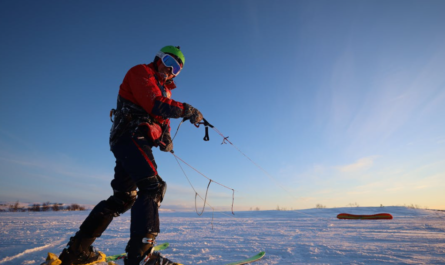
by Kite skiing — the thrilling blend of skiing and kiteboarding — has captured the imagination of winter adventurers worldwide. Harnessing the power of wind while gliding across snowy fields or frozen lakes delivers an exhilarating sense of speed and freedom. But as with any extreme sport, preparation and the right gear are essential for both performance and safety.
Whether you’re a seasoned kite skier or a curious beginner looking to dive into this dynamic sport, this guide outlines the essential gear you need — from your board and kite to protective equipment and weather tools. Read on to discover how to equip yourself for safe and successful kite skiing adventures.
1. Understanding Kite Skiing: A Quick Overview
Kite skiing involves using a large traction kite to pull you across snow or ice while standing on skis or a snowboard. The sport combines elements of:
- Snow skiing or snowboarding
- Kitesurfing principles
- Wind-powered movement
Kite skiers can glide across flat plains, climb gentle slopes, and even ride downhills under kite power — all without engines or traditional lifts. However, the sport requires specialized gear to handle wind force, snow conditions, and the unique dynamics of being pulled by a kite.
Now let’s explore the essential equipment categories you’ll need.
2. Core Equipment: Kites
The kite is the heart of your setup. Choosing the right kite — including its size, type, and safety features — is critical.
2.1 Types of Kites
There are three main kite types used for kite skiing:
- Inflatable Kites (LEI – Leading Edge Inflatable)
These are common in kitesurfing and work well on snow. They have inflatable bladders that provide floatation and relaunch ability after a crash. - Foil Kites
Lightweight and efficient, foil kites are ideal in lighter winds and often used by advanced riders. They pack down small but can be harder to relaunch on snow. - Hybrid Kites
Combining features from both foil and inflatable designs, hybrids offer stability and performance in varied conditions — a strong choice for many kite skiers.
2.2 Kite Size and Wind Range
Kite size matters because it determines how much power you can generate. Sizes are typically measured in square meters (m²). Larger kites (10–15m²) generate more pull but are better suited to light winds. Smaller kites (5–9m²) are used in high winds.
To choose the right size:
- Check local wind conditions and forecasts
- Consider your weight and skill level
- Assess the terrain you’ll be riding
Kite sizing varies by brand, so review manufacturer wind charts before heading out.
3. Control Systems: Bars and Lines
The kite control bar and lines are your interface with the kite — essential for steering, power adjustment, and safety.
3.1 Control Bars
A good control bar should include:
- Ergonomic grips for comfort during long sessions
- Adjustable line lengths for tuning performance
- A reliable quick-release system to detach the kite in emergencies
3.2 Lines
Kite lines typically range from 20–30 meters in length. Longer lines give you more power and smoother input but require more space around you. Always inspect lines for wear before use.
4. Skis and Boards: Choosing Your Ride
Your choice of skis or board will depend on terrain preferences and riding style.
4.1 Alpine Skis
Alpine skis (regular downhill skis) work well for kite skiing, especially on flatter terrain and rolling snowfields. Wider skis provide better floatation in soft snow.
4.2 Cross-Country or Backcountry Skis
These skis are lighter and narrower, ideal for long cross-country kite skiing trips or situations where you might need to walk or hike.
4.3 Snowboards
Some kite skiers prefer snowboards for the smooth carving and controlled turns they offer. Snowboards require different techniques, so choose based on your experience and comfort level.
4.4 Ski and Board Tuning
Before every outing:
- Check edges for sharpness
- Wax your base for glide
- Ensure bindings are secure
Proper tuning ensures better performance and turns.
5. Harnesses: Connecting You to the Wind
The harness connects you to your kite and should be comfortable, secure, and easy to control.
5.1 Types of Harnesses
- Waist Harness – Lightweight and flexible, common among freeriders.
- Seat Harness – Offers more back support, ideal for long sessions or beginners.
5.2 Safety and Fit
A well-fitted harness distributes kite force evenly and reduces fatigue. Always adjust straps to prevent chafing and ensure freedom of movement.
6. Protective Gear: Safety First
Kite skiing is exhilarating but comes with risks. Protective gear can make the difference between a fun day and a serious accident.
6.1 Helmets
A high-quality ski or snow helmet is essential. Look for helmets with:
- Impact protection certification (CE/ASTM)
- Ventilation control
- Compatibility with goggles
6.2 Goggles and Eye Protection
Wind, snow, and glare can reduce visibility and cause eye strain. Choose goggles with:
- UV protection
- Anti-fog lenses
- Wide field of vision
6.3 Impact Vests and Back Protectors
Especially useful for freestyle or high-speed riding, impact vests protect your ribs and torso. Back protectors also help reduce spinal injury risks.
6.4 Wrist Guards
Falling on snow or ice at speed can injure wrists. Wrist guards offer added support during falls.
7. Clothing: Layer for Comfort and Weather
Winter conditions can change rapidly, so layering is key.
7.1 Base Layer
Choose moisture-wicking fabrics like merino wool or synthetic blends. Avoid cotton — it retains moisture and chills your body.
7.2 Mid Layer
Fleece or lightweight insulated jackets help hold warmth without restricting movement.
7.3 Outer Layer
Your shell jacket and pants should be:
- Windproof
- Water-resistant
- Breathable
7.4 Gloves
Warm, waterproof gloves with good grip are vital. Consider glove liners for added warmth.
8. Safety and Emergency Gear
Safety gear is not optional — it prepares you for unexpected conditions or accidents.
8.1 GPS or Tracking Device
Losing orientation in windy flatlands or snow-covered terrain can happen. Carry a GPS unit or smartphone with offline maps.
8.2 Emergency Whistle
A high-loudness whistle helps you signal rescuers over wind noise.
8.3 First Aid Kit
Include basics such as:
- Bandages
- Antiseptic wipes
- Pain relievers
- Blister treatment
8.4 Avalanche Safety Tools
If kite skiing in mountainous or avalanche-prone areas, ALWAYS carry:
- Beacon/Transceiver
- Shovel
- Probe
Training in avalanche awareness is equally essential.
9. Wind and Weather Tools
Wind power is your engine — and the right tools help you read conditions safely.
9.1 Anemometer
A portable wind meter tells you real-time wind speed, ensuring you choose the right kite for conditions.
9.2 Weather Apps and Forecast Tools
Use apps that offer local wind, temperature, and gust forecasts. Combine these with visual observation and common sense.
10. Practice and Training Aids
Before hitting open snow:
- Practice kite flying on grass to perfect control
- Work with a certified instructor to understand safety systems and flying techniques
- Simulate launching and landing drills in controlled environments
Good training reduces risk and builds confidence.
11. Transport and Storage Gear
Keeping your gear organized and safe extends its life and improves readiness.
11.1 Gear Bags
Protect your kite, bars, and lines in padded bags during transport.
11.2 Ski/Board Bags
Use dedicated ski or snowboard bags to prevent damage during travel.
11.3 Repair Kit
Include:
- Spare parts for control lines
- Multi-tool
- Patches for inflatable kites
12. Community and Supportive Gear
Joining kite skiing clubs or forums helps you learn from others and stay informed about conditions, events, and safety tips. Social support is valuable for both skill development and emergency preparedness.
Conclusion
Kite skiing is one of the most exciting snow sports you can pursue — combining wind power, speed, and scenic winter landscapes. But thrill comes with responsibility. Whether you’re just starting or refining your expertise, having the right gear and knowing how to use it is crucial for a safe and fulfilling experience.
From your kite and control system to protective equipment, clothing layers, emergency tools, and weather instruments, every piece of gear plays a role in your performance and safety. Take the time to educate yourself, invest in quality equipment, and respect weather conditions.
With preparation and awareness, kite skiing becomes not just a sport — but a lifelong passion.