 by
by Swiss cuisine is far more than chocolate, cheese fondue, and luxury dining. Rooted in Alpine traditions shaped by centuries of seasonal farming, high-altitude living, and cross-border cultural exchange, old-world Swiss recipes offer one of Europe’s richest and most comforting food traditions. When prepared authentically — by local cooks using age-old techniques and regional ingredients — these dishes tell stories of mountain life, harvest rhythms, and community celebration.
This article is your guide to experiencing authentic Swiss cuisine: where to find classic dishes made the traditional way, what meals to try, and the regional contexts that make them special. From rustic mountain inns to family-run Gastwirtschaften, we show you where Swiss culinary heritage lives — and how to savor it.
1. The Essence of Old-World Swiss Cooking
Before we dive into specific restaurants and regions, it’s important to understand what makes Swiss cuisine distinctive:
Rooted in Geography
Switzerland’s mountains and valleys shaped a food culture based on:
- Seasonal preservation (salting, fermenting, drying)
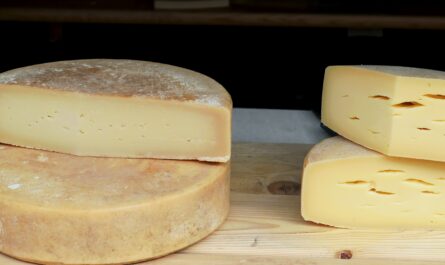
- Dairy from alpine pastures
- Hearty grains and legumes for cold mountain weather
- Fresh herbs and wild plants for flavor
Cultural Crossroads
Swiss cuisine blends influences from:
- Germany (sausages, roasts)
- France (sauces and knife skills)
- Italy (polenta, risottos)
- Alpine folk traditions (cheese making, rye breads)
Authentic old-world cooking doesn’t just serve food — it preserves heritage, technique, and local identity.
2. The Classics: Swiss Dishes Worth Seeking Out
Here are some Swiss staples you should know before exploring where to try them:
A. Fondue (Cheese Melted the Old-Way)
Origin: Western Switzerland (especially Vaud and Fribourg)
Method: Local cheeses (often Gruyère and Vacherin) melted with white wine, garlic, and kirsch in a communal pot (caquelon).
How to eat: Dip bread into molten cheese using long fondue forks — a social meal for cold weather.
B. Raclette
Origin: Valais
Method: A half-wheel of raclette cheese is scraped onto potatoes, pickles, onions, and occasionally charcuterie after being heated close to a flame.
Tradition: Originally a shepherd’s dish eaten after long mountain days.
C. Rösti
Origin: Bernese Alps
Method: Grated potato pan-fried until golden and crispy. Simple but iconic.
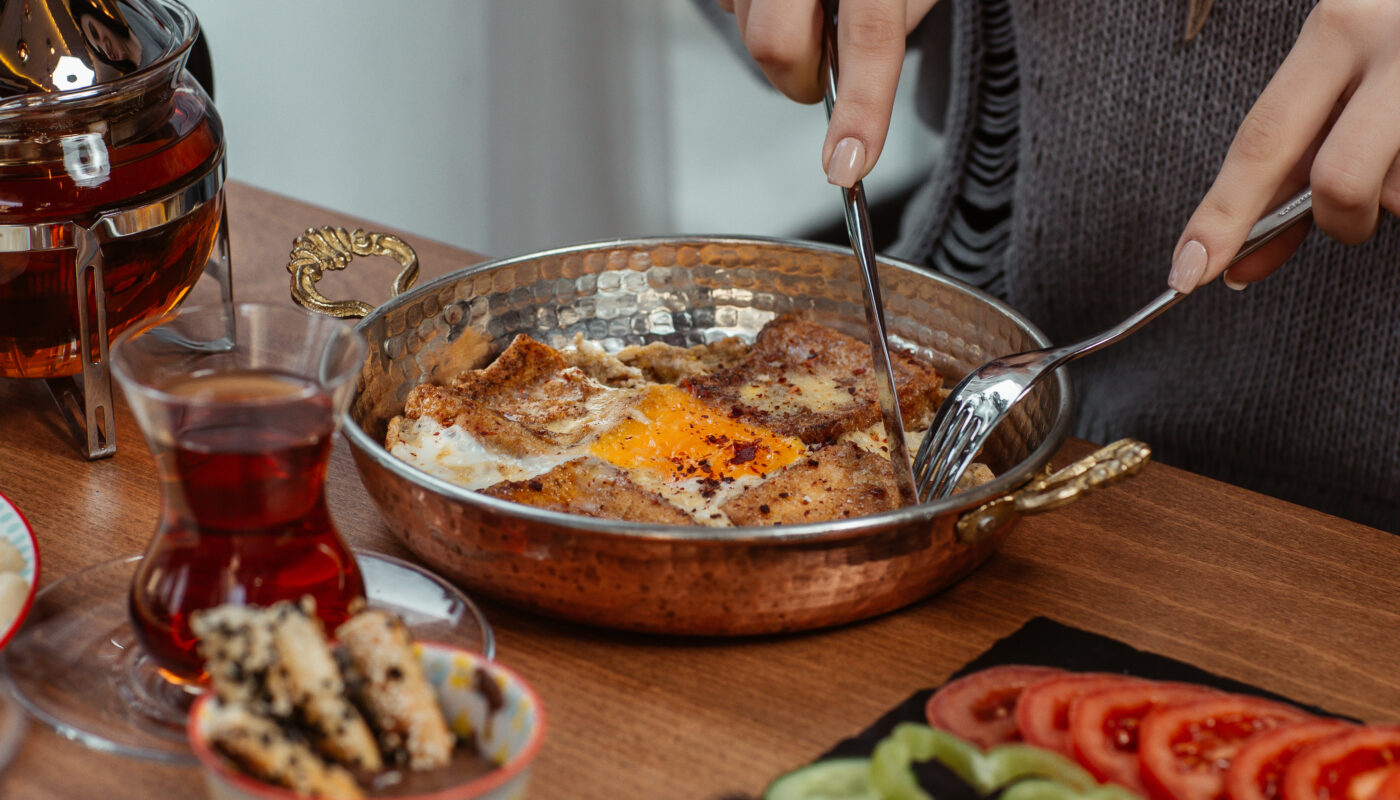
Variations: Topped with herbs, cheese, or fried egg.
D. Älplermagronen
Meaning “Alpine herdsman’s macaroni”
Ingredients: Pasta, cream, onions, cheese, potatoes — sometimes served with applesauce.
Purpose: Hearty mountain meal eaten by Alpine herders.
E. Berner Platte
Origin: Canton Bern
A hearty platter of salted and smoked pork, beef, sausage, cabbage, and beans — a celebration feast.
F. Saffron Risotto
Particularly famous in Ticino, linking Italian risotto traditions with local grains and Alpine produce.
These are only a few examples; Swiss regional kitchens offer many more — from fish dishes near lakes to game specialties in the mountains.
3. Authentic Dining: What Makes a Place “Old-World Swiss”?
Before we list specific restaurants and places to try authentic Swiss recipes, it helps to know what to look for:
Key Characteristics
✔ Use of local ingredients — Alpine cheese, mountain herbs, lake fish
✔ Traditional methods — open fire, wood-fired ovens, slow simmering
✔ Seasonal menus — menus change with what’s fresh or preserved
✔ Family-run kitchens — recipes passed down generations
✔ Regional focus — dishes unique to the canton or valley
Look beyond tourist-facing restaurants near cable car exits or city centers. The most authentic old-world experiences are often in smaller villages, historic inns, and family establishments.
4. Canton Vaud: Fondue and Vineyard Tables
Where to Go
- Restaurant Café de l’Union — Vevey
Classic fondue among lakeside charm. Local cheeses and traditional preparation. - Auberge de la Gare — Aigle
A cozy inn near vineyards serving regional classics like fondue and raclette.
What to Try
- Fondue moitié-moitié (half Gruyère, half Vacherin)
- Tartare de boeuf with raclette chips
- Local dry wines from Vaud vineyards
Vaud balances French influences with rustic Alpine fare. Vineyards and mountain pastures create an ideal landscape for hearty meals paired with crisp whites and reds.
5. Valais: Home of Raclette and Alpine Game
Valais is famous for producing raclette cheese and savory mountain cuisine.
Top Authentic Spots
- Le Relais de Sierre — Sierre
Known locally for traditional raclette evenings. - Restaurant du Pont — Leukerbad
Family-run with seasonal menus and Alpine specialties.
Must-Try Dishes
- Raclette Classique served with boiled potatoes, cornichons, and pickled onions
- Valaisan dried meats and herb roasts
- Polenta with cheese and mushrooms
Valais cuisine reflects the rugged terrain — rich in flavor and designed to satisfy after long days in mountain air.
6. Bernese Oberland: Rustic Mountain Plates
The Bernese Alps bring some of the richest Alpine comfort foods.
Recommended Places
- Restaurant Alpenrose — Lauterbrunnen
Known for regional menu and traditional preparation. - Gasthof Hirschen — Brienz
Local favorites include rösti and Älplermagronen with apple compote.
Signature Eats
- Berner Platte — a mountain feast paired with local beer
- Rösti variations with bacon, onions, or cheese
- Hirsch (venison) in autumn stews
Here, old-world flavors mix with scenic views of waterfalls and peaks.
7. Lucerne & Central Switzerland: Alpine Canteens and Lakefront Taverns
Lucerne’s proximity to pastoral valleys and Rigi means many authentic kitchens are just a short journey away from the lake.
Excellent Choices
- Wirtshaus Galliker — Lucerne
Traditional Swiss tavern with menus changing by season. - Stadtkeller — Lucerne
Combines music and old-world food with folk performances.
Notable Dishes
- Älplermagronen with applesauce
- Zürcher Geschnetzeltes (sliced veal in cream sauce) — Central Swiss specialty
- Rösti with smoked fish from Lake Lucerne
These places emphasize comfort, local technique, and cultural connection rather than tourist trappings.
8. Ticino: Italian-Swiss Heritage and Risotto Roots
Switzerland’s southern canton blends Swiss craftsmanship with Italian soul.
Where to Eat Authentically
- Grotto Locarnese — Locarno
A traditional grotto (stone tavern) with seasonal menus. - Osteria del Porto — Lugano
Regional dishes near the waterfront.
Traditional Ticino Plates
- Saffron risotto — deeply flavored with local saffron
- Mine stratta — dense layered cake for dessert
- Fresh lake fish with olive oil and herbs
Ticino’s old-world cooking reflects its Mediterranean influences while remaining rooted in Swiss alpine tradition.
9. Seasonal Delights — Beyond the Menu
Old-world Swiss cooking also includes seasonal elements:
Harvest Time (Autumn)
- Game dishes: venison, boar, pheasant
- Chestnut soups and desserts
- Oktoberfest-influenced beer pairings
Winter
- Cheese fondues and raclette traditions
- Thick stews and barley soups
- Bircher-style alpine breakfasts before snow hikes
Spring & Summer
- Wild herb soups
- Fresh milk cheeses from alpine dairies
- Berry desserts made with local fruits
Understanding seasons gives richer context to each dish and highlights how Swiss cooks historically adapted to what the land offered.
10. Cooking Classes and Farm Kitchens
For travelers who want to prepare these dishes themselves, several places offer hands-on experiences:
Alpine Farm Cooking Workshops
- Small group classes with local cooks
- Harvest fresh herbs and prepare cheese fondue from scratch
- Visit alpine dairies and see how raclette cheese is aged
Culinary Museums or Demonstrations
Some regions host demonstrations showing:
- Bread baking in stone ovens
- Historic kitchen tools in action
- Preservation techniques like curing and smoking
These experiences deepen appreciation far beyond tasting.
11. How to Recognize Authenticity
With tourism booming, many restaurants advertise “Swiss food” without true regional roots. To recognize authentic old-world preparation, look for:
Origin of Ingredients
- Locally produced cheeses
- Farm-to-table vegetables and herbs
- Regionally cured meats
Preparation Method
- Slow cooking rather than modern shortcuts
- Wood-fired ovens or open hearths
- Traditional pairings (e.g., raclette with cornichons and potatoes)
Local Patrons
If a restaurant has more local residents than tourists, it’s usually a good sign the food is genuine rather than styled for visitors.
12. Final Tips for Travelers Seeking Authentic Swiss Cuisine
✔ Go beyond city centers — the best meals are often in villages and rural inns
✔ Ask locals for recommendations — they know hidden kitchens
✔ Try seasonal menus — they reflect true old-world cooking rhythms
✔ Pair meals with regional drinks — Herbal infusions, regional beer, or Swiss wine
Swiss food traditions are living history — and when cooked the authentic way, they connect travelers to centuries of mountain life, seasonal cycles, and cultural exchange.
Conclusion
Trying old-world Swiss recipes “cooked the authentic way” means embracing more than ingredients — it means stepping into tradition. From raclette evenings in Valais cabins to alfresco risotto by a Ticino lagoon; from alpine canteens in the Bernese Oberland to lakeside taverns near Lucerne, Switzerland’s food culture offers deep, satisfying, and meaningful culinary experiences.
These dinners narrate tales of alpine winters, harvest celebrations, mountain herders, and shared tables over steaming soups and cheese pots. When you choose places rooted in tradition — family kitchens, mountain inns, vineyard eateries, or seasonal markets — you aren’t just eating: you’re tasting history.