 by
by St. Moritz is famous for high-altitude glamour, world-class winter events and crisp mountain air — but it’s also a surprisingly easy place to try adventure sports for the first time. Whether you want the gentle thrill of a scenic glide above a frozen lake or a guided mountain walk that feels adventurous without being risky, St. Moritz offers many well-managed options tailored to newcomers. This guide walks you through the safest adventure sports for beginners, what to expect, how to prepare, and how to pick reputable providers so your first-time adrenaline stays fun and worry-free.
Why St. Moritz is a good place to start
A few things make St. Moritz especially friendly to first-time adventurers:
- Excellent infrastructure. Well-maintained trails, clear signage, modern lifts and reliable mountain transport reduce logistical risks.
- High standards of safety and professionalism. Local guides and operators are often certified, multilingual, and experienced with visitors of varying ability.
- Accessible variety. While remaining in the same location, you can transition from mild pursuits (lake walks, e-biking on moderate routes) to slightly more daring ones (via ferrata, beginner paragliding).
- Short learning curves. Many activities have beginner lessons, demo equipment and progressive routes designed specifically for novices.
This combination makes it possible to have a real adventure without placing yourself in situations where you need advanced skills.
Core safety principles for first-timers
Before we list activities, keep these safety rules in mind — they’ll reduce risk no matter what you choose:
- Use certified guides/operators. Choose operators with visible licenses, good reviews and clear safety information.
- Tell providers about health limits. Mention heart or breathing conditions, recent surgeries, vertigo, pregnancy or heavy medication.
- Start slow and ask questions. Accept the beginner route, ask about emergency procedures and practise landing/braking techniques in a safe, controlled environment.
- Dress and pack appropriately. The essentials include layers, strong shoes, sunscreen, and a modest daypack filled with snacks and water.
- Respect weather windows. Mountain weather changes fast; operators cancel when conditions make activities unsafe. Don’t pressure guides to proceed.
- Check insurance. Ensure your travel/health insurance covers mountain rescue and the specific sport you’ll attempt.
With those foundations in place, here are the most beginner-friendly adventure sports in and around St. Moritz.
1. Scenic winter walking & snowshoeing — the gentle introduction (VERY SAFE)
Why it’s great for first-timers: minimal technical demands, can be guided, low risk when following marked winter trails.
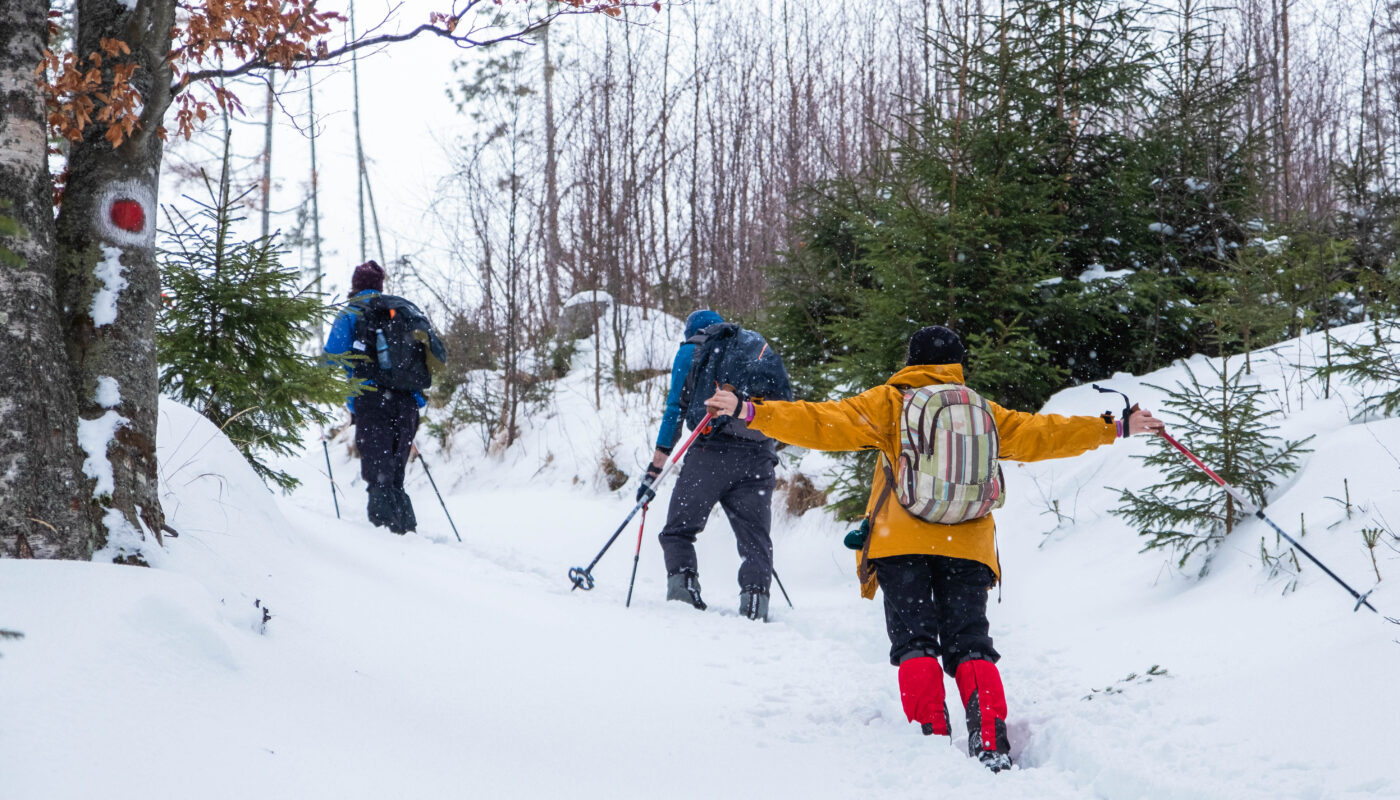
What to expect: quiet snow-covered forests and frozen lakes, easily paced routes (1–4 hours), and occasional gentle climbs. Snowshoes and poles are usually provided and brief instruction is included.
Safety tips: opt for groomed winter walking paths or guided snowshoe tours; wear waterproof boots and layers; bring traction aids if icy.
Best time: December–March (depending on snow).
2. E-biking on gentle trails — controlled power with low impact (LOW RISK)
Why it’s great for first-timers: electric assist helps with hills, so beginners can enjoy longer routes without exhausting climbs.
What to expect: hire an e-bike for half- or full-day guided rides on gravel or quiet roads, or join a slow guided tour that matches your pace.
Safety tips: choose wide, well-marked cycling paths; wear a helmet; practise throttle and braking in a low-traffic spot before heading off.
Best time: late spring–early autumn.
3. Introductory via ferrata (easy routes) — exposure with safety cables (MODERATE, BUT MANAGED)
Why it’s beginner-friendly here: select via ferrata routes near St. Moritz are graded for novices and guided trips include full kit and instruction. The route is secured by steel cables and rungs, so movements are controlled and anchor points are constant.
What to expect: short sections of vertical rock with fixed safety systems, easy scrambling and spectacular views. Guides teach clipping/unclipping techniques and how to manage the pulley system.
Safety tips: ensure your harness, lanyards and helmet are certified and new; pay attention during the clipping demonstration; if you’re uncomfortable with heights, start with a very short, low route.
Best time: late spring–early autumn (when rock is dry).
4. Stand-up paddleboarding (SUP) on the lake — calm water balance (LOW RISK)
Why it’s beginner friendly: flat water conditions, short coaching sessions, and the ability to kneel or sit make SUP very forgiving.
What to expect: gentle instruction, life jacket fitting, short supervised sessions near shore. Instructors emphasize how to fall safely and how to reboard.
Safety tips: choose calm weather days; wear a buoyancy aid; practice near shore first. Avoid SUP in strong winds.
Best time: June–September.
5. Paragliding tandem flights — maximum wow, minimal control (LOW–MODERATE)
Why try tandem paragliding: you’re strapped to an experienced pilot who controls takeoff, flight and landing — so you enjoy the aerial view without piloting skills. Operators use safe launch sites and do weather checks before every flight.
What to expect: a short run at takeoff, 10–30 minutes in the air depending on conditions, and a soft, guided landing. Pilots provide a safety briefing and often take photos/video.
Safety tips: pick pilots with professional certification and plenty of local flight hours; disclose medical conditions; follow pilot instructions exactly on takeoff and landing.
Best time: late spring–early autumn; mornings often have calmer thermals.
6. Introductory climbing wall & top-rope climbing — controlled vertical movement (LOW RISK INDOORS / MODERATE OUTDOORS)
Why it works for beginners: indoor climbing walls and guided top-rope sessions provide risk-managed vertical exposure, with trained belayers controlling every rope.
What to expect: short skill lessons, harness fitting, belay practice, and progressively taller routes as you gain confidence. Outdoors, a guide chooses an easy pitch and rigs a secure anchor.
Safety tips: make sure belayers are certified; follow instructions for foot placement and weight shifts; don’t attempt lead climbing as a first step.
Best time: year-round (indoors) and spring–autumn (outdoors).
7. Winter sledging on groomed runs — playful and secure (LOW RISK)
Why it’s fun for first-timers: sledging on prepared runs provides safe speed with soft landings; many resorts have dedicated sled tracks and chairlift access.
What to expect: family-friendly runs, clear signage, and moderate downhill speeds on groomed snow. Many runs have separate lanes for toboggans and skiers.
Safety tips: use helmet, keep control with steering and braking techniques taught by staff, and stay in lanes designated for sledging.
Best time: December–March.
8. Introductory curling or ice-skating — social, guided winter sports (VERY SAFE)
Why pick these: both sports offer instruction, are low-impact and highly social. Curling instruction emphasizes technique and safety, while rink staff manage falling protocols for new skaters.
What to expect: short lessons, equipment rental, and supervised play or free-skate sessions. Great for families and groups.
Safety tips: start with group lessons, rent padded pants if you’re worried about falls, and avoid crowded rink times.
Best time: winter season when outdoor rinks or indoor facilities operate.
How to choose the right operator
- Check accreditation: look for national mountain guide associations, local tourism board listings, and insurance details.
- Read recent reviews: focus on safety-related comments, staff professionalism, and how providers treat cancellations due to weather.
- Ask about gear quality: modern, well-maintained equipment dramatically reduces risk.
- Confirm group size: smaller groups give better supervision—ideal for beginners.
- Discuss emergency plans: pick operators who explain evacuation procedures and have radios or phones for mountain rescue.
Medical, fitness and insurance considerations
- Fitness: many beginner activities require only low to moderate fitness, but basic mobility and stamina help. If you have chronic conditions, check with your doctor before booking.
- Altitude: St. Moritz sits at around 1,700–1,800 m; if you arrive from sea-level, take the first day to acclimatize and drink plenty of water. Most low-risk activities won’t tax you, but be mindful of breathlessness.
- Insurance: ensure your policy covers activity-specific events and mountain rescue. If not, buy short-term adventure sports cover.
- Medication: carry essential meds, and keep an emergency contact card in your pack.
One-day sample itinerary for a first-time adventurer
- 09:00–11:00 — Guided winter walk or short snowshoe near the lake to warm up and adapt to altitude.
- 11:30–13:00 — Light lunch in town; brief rest.
- 14:00–15:30 — Tandem paragliding flight (if weather allows) or e-bike gentle loop around nearby villages.
- 16:00–17:00 — Relaxation, hot drink and easy stroll; debrief with guide.
- Evening — Dinner and early rest; acclimatization and recovery.
This schedule keeps exertion balanced and leaves time for cancellation flexibility if the weather changes.
Final tips for a confident first experience
- Book lessons rather than “solo tryouts.” Professional instruction reduces risk and enhances enjoyment.
- Check cancellation policies. Mountains have fickle weather—choose flexible bookings.
- Bring a small first-aid kit and a multi-functional headlamp. Even low-risk activities benefit from simple preparedness.
- Keep expectations realistic. Thrill doesn’t need to equal danger; many beginners remember gentle first experiences as more enjoyable and longer lasting than rushed extremes.
Closing thought
St. Moritz is an ideal classroom for the adventurous newcomer: supportive infrastructure, skilled guides, and a range of activities that let you test your limits safely. With careful provider choice, sensible packing, and a respectful attitude toward mountain conditions, your first adventure sport here can be exhilarating without being hazardous. Try one of the options above, and you may find that your appetite for outdoor pursuits has only just begun.