 by
by For centuries, the European Alps have been associated with healing landscapes. Long before modern wellness tourism existed, travelers journeyed into alpine valleys seeking clean air, restorative scenery, and natural mineral springs believed to support health. Over time, several mountain towns developed into renowned spa destinations where mineral-rich waters became central to local culture and medical traditions.
Among these destinations, St. Moritz stands out as one of the most historic and prestigious wellness resorts in the Alps. Its mineral springs have been used for thousands of years and helped transform the town into a global luxury destination. However, the Alps contain many different kinds of therapeutic waters, each with distinct characteristics shaped by local geology.
This article explores the mineral springs of St. Moritz and compares them with other famous alpine wellness waters, including those found in Leukerbad and Bad Gastein. By examining their composition, history, and wellness traditions, we can better understand how these waters differ and why each location offers a unique spa experience.
The Long History of St. Moritz Mineral Springs
The springs of St. Moritz are among the oldest documented healing waters in Europe. Archaeological discoveries suggest that people were using these springs more than three millennia ago. Early communities living in the Engadin valley likely noticed the unusual taste and color of the water, which hinted at a high mineral content.
Over time, the springs gained a reputation for therapeutic properties. During the Renaissance period, scholars and physicians began studying mineral waters more systematically. One of the most influential figures to comment on the St. Moritz springs was the Swiss physician Paracelsus, who praised their potential medical value.
By the 19th century, St. Moritz had become a fashionable destination for European aristocrats seeking restorative spa treatments. Wealthy visitors came not only to drink the mineral water but also to enjoy the mountain environment, which was believed to strengthen the lungs and improve overall vitality.
Today, this tradition continues as modern wellness centers incorporate the historic springs into contemporary spa treatments.
What Makes St. Moritz Water Unique
The mineral water of St. Moritz differs significantly from many other alpine springs because of its unusual combination of minerals and natural carbonation.
Key characteristics include:
- High iron content
- Naturally dissolved carbon dioxide
- Minerals such as calcium, sodium, and magnesium
The iron in the water often leaves reddish deposits where the spring flows, a visible sign of its mineral richness. Meanwhile, the dissolved carbon dioxide gives the water a slightly sparkling quality, similar to naturally carbonated mineral water.
These properties historically made the springs popular for drinking cures. Physicians believed that iron-rich water could help people suffering from fatigue or low iron levels, while the carbonated baths were thought to stimulate blood circulation and invigorate the skin.
Because the water emerges relatively cool rather than hot, the wellness practices in St. Moritz developed differently from those in many thermal spa towns.
Traditional Spa Culture in St. Moritz
The historic spa routine in St. Moritz involved several complementary elements. Visitors would often begin their day by drinking a glass of mineral water directly from the spring pavilion. This practice, known as a drinking cure, was intended to support digestion and mineral balance in the body.
Afterward, guests might participate in gentle exercise such as walking through the surrounding alpine landscape. Fresh mountain air was considered an important part of the healing process.
In addition, spa visitors could bathe in mineral water pools designed to stimulate circulation and relax the muscles. These treatments were often combined with massage, steam baths, and other therapeutic practices.
Modern wellness resorts in St. Moritz continue this tradition, offering a blend of historical spa techniques and modern health treatments.
Thermal Wellness in Leukerbad
While St. Moritz focuses on mineral drinking cures and cool carbonated baths, the wellness experience in Leukerbad revolves around naturally hot thermal water.
Leukerbad is home to the largest thermal spa complex in the Alpine region. Dozens of springs feed the village with mineral-rich water that emerges from underground at temperatures exceeding 50°C (122°F). This geothermal heat makes the water ideal for bathing without additional heating.
The mineral composition of Leukerbad’s water is dominated by calcium and sulfate minerals. These elements are associated with benefits for muscles, joints, and bones.
As a result, the wellness tradition in Leukerbad emphasizes:
- Long soaking sessions in thermal pools
- Hydrotherapy treatments
- Relaxation and muscle recovery
Visitors often move between indoor and outdoor pools, enjoying the sensation of warm mineral water while surrounded by dramatic alpine scenery.
This type of thermal spa experience contrasts strongly with the cooler mineral waters of St. Moritz.
Radon-Based Therapy in Bad Gastein
Another distinctive alpine wellness destination is Bad Gastein. Unlike the iron-rich springs of St. Moritz or the hot thermal pools of Leukerbad, Bad Gastein is known for springs that contain small amounts of naturally occurring radon gas.
Radon therapy is based on the idea that low-level exposure to certain natural elements may stimulate the body’s biological repair processes. In Bad Gastein, spa treatments often involve bathing in radon-rich thermal water or visiting underground galleries where warm air and mineral gases circulate.
These treatments have historically been recommended for conditions such as:
- Chronic joint pain
- Rheumatic diseases
- Respiratory problems
- Certain inflammatory conditions
Although this therapy is not widely practiced in every country, it has a long tradition in parts of Central Europe.
The presence of radon gives Bad Gastein a completely different wellness identity compared with the iron-rich drinking springs of St. Moritz.
Geological Origins of Alpine Springs
The differences among these spa towns ultimately arise from the geological processes that shape underground water systems.
In mountainous regions, rain and melted snow seep deep into the earth through cracks in rock layers. As the water travels underground, it dissolves minerals from the surrounding rock formations.
Depending on the geology and temperature of the underground environment, the water may:
- Absorb different minerals
- Heat up due to geothermal activity
- Mix with natural gases
When the water eventually rises back to the surface as a spring, its unique composition reflects the geological conditions it encountered during its underground journey.
This is why alpine spa waters can vary so dramatically from one valley to another.
Comparing Key Features of Alpine Spa Waters
When comparing St. Moritz with other Alpine spa towns, several major differences become clear.
Water Temperature
- St. Moritz: cool mineral water
- Leukerbad: hot geothermal water
- Bad Gastein: warm thermal water
Temperature determines how the water is used in spa treatments.
Mineral Composition
Each location contains a distinct mineral balance.
- St. Moritz: iron-rich and naturally carbonated
- Leukerbad: calcium and sulfate minerals
- Bad Gastein: radon-containing thermal water
These differences influence both taste and therapeutic reputation.
Spa Traditions
The cultural practices around these springs also vary.
St. Moritz emphasizes drinking cures and circulation therapy, while Leukerbad focuses on thermal bathing and relaxation. Bad Gastein, meanwhile, is known for specialized medical treatments linked to its unique mineral composition.
The Role of Landscape in Wellness Experiences
The alpine environment itself is an essential part of the wellness experience. High altitudes, fresh air, and scenic landscapes contribute to the restorative reputation of these spa destinations.
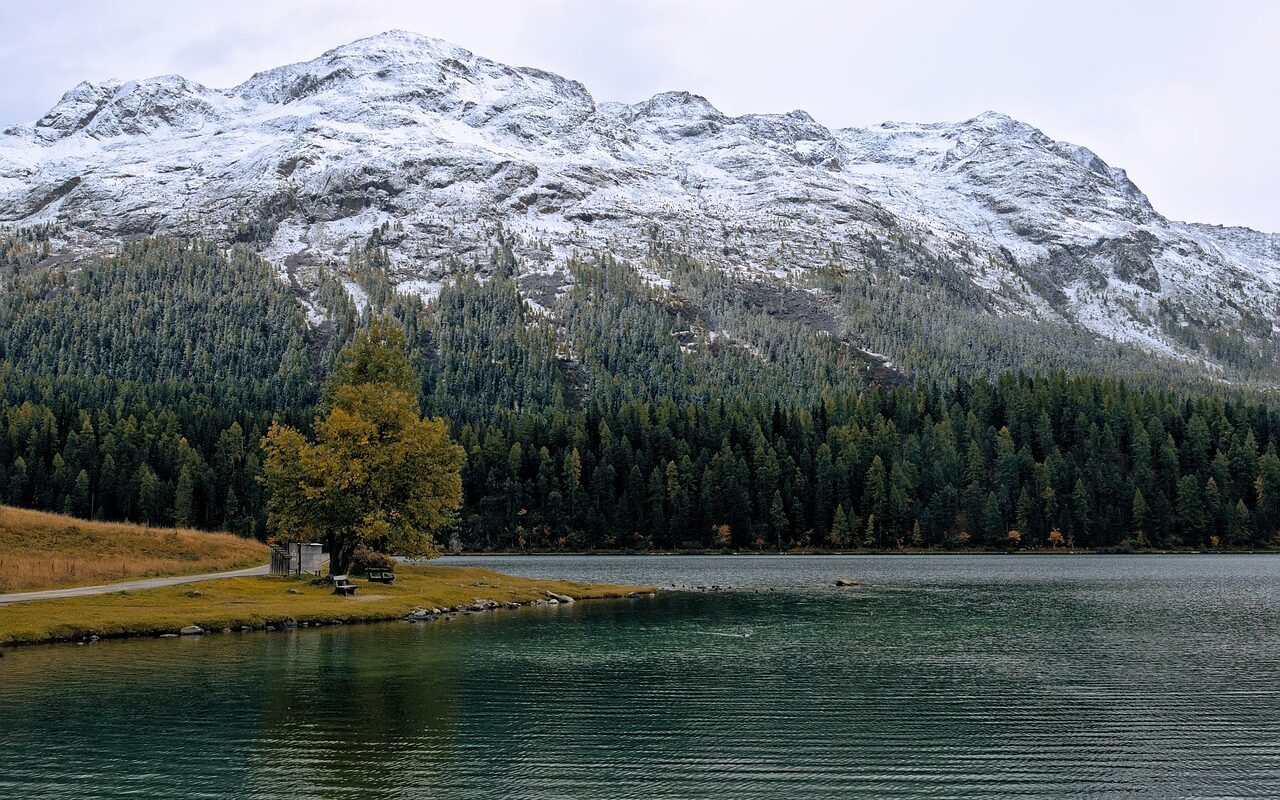
In St. Moritz, the sunny Engadin valley provides dry air and expansive views of surrounding peaks. Outdoor activities such as hiking, skiing, and cycling complement spa treatments.
Leukerbad sits in a narrow mountain basin surrounded by towering cliffs, creating a dramatic atmosphere where warm outdoor pools contrast with snowy winter landscapes.
Bad Gastein combines spa culture with striking architecture built along steep mountain slopes and waterfalls.
Each setting enhances the therapeutic atmosphere in its own way.
Modern Wellness Developments in Alpine Resorts
Today’s Alpine spa towns have evolved far beyond traditional bathhouses. Luxury hotels and wellness centers now integrate modern treatments with historic mineral water traditions.
Visitors can experience:
- Hydrotherapy circuits
- Sauna and steam rooms
- Holistic wellness retreats
- Medical spa programs
- Relaxation and mindfulness therapies
Despite these modern innovations, natural mineral springs remain the foundation of these destinations. Their unique geological origins continue to shape the identity of each resort.
Why St. Moritz Remains Distinctive
Among Alpine wellness destinations, St. Moritz holds a special place for several reasons.
First, its springs have been known and used for thousands of years, making them some of the oldest spa resources in the Alps.
Second, the rare combination of iron-rich and naturally carbonated water gives the springs a distinctive character not commonly found in other alpine regions.
Finally, the town successfully blends historic spa traditions with modern luxury tourism, creating a wellness destination that attracts visitors from around the world.
Conclusion
The Alps contain a remarkable variety of mineral springs, each shaped by unique geological conditions and cultural traditions. From the iron-rich waters of St. Moritz to the geothermal pools of Leukerbad and the radon-rich springs of Bad Gastein, these destinations illustrate the diversity of alpine wellness culture.
While all three locations offer relaxation and health benefits, the nature of their waters leads to very different spa experiences. St. Moritz emphasizes mineral drinking cures and revitalizing mountain air, Leukerbad focuses on thermal bathing, and Bad Gastein provides specialized geothermal treatments.
Together, they demonstrate how natural mineral springs have shaped Alpine tourism and continue to attract travelers seeking restoration, beauty, and well-being in the heart of Europe’s mountains.