 by
by Nestled in the eastern Swiss Alps, Saint Moritz is world-renowned for its stunning landscapes, luxurious winter sports, and glacial scenery. Glaciers surrounding this alpine town have long been iconic features of the landscape, shaping rivers, valleys, and ecosystems. For generations, they have provided both environmental and cultural value, drawing tourists eager to experience their majesty firsthand.
Today, however, these glaciers are rapidly changing. Climate change is altering their size, flow, and even existence. The snowfields and ice formations that once seemed permanent are retreating, transforming both the local environment and the way people experience the Alps. Understanding these changes is essential—not only for scientists and locals but for tourists and environmental enthusiasts alike.
Glaciers in the Engadin Valley
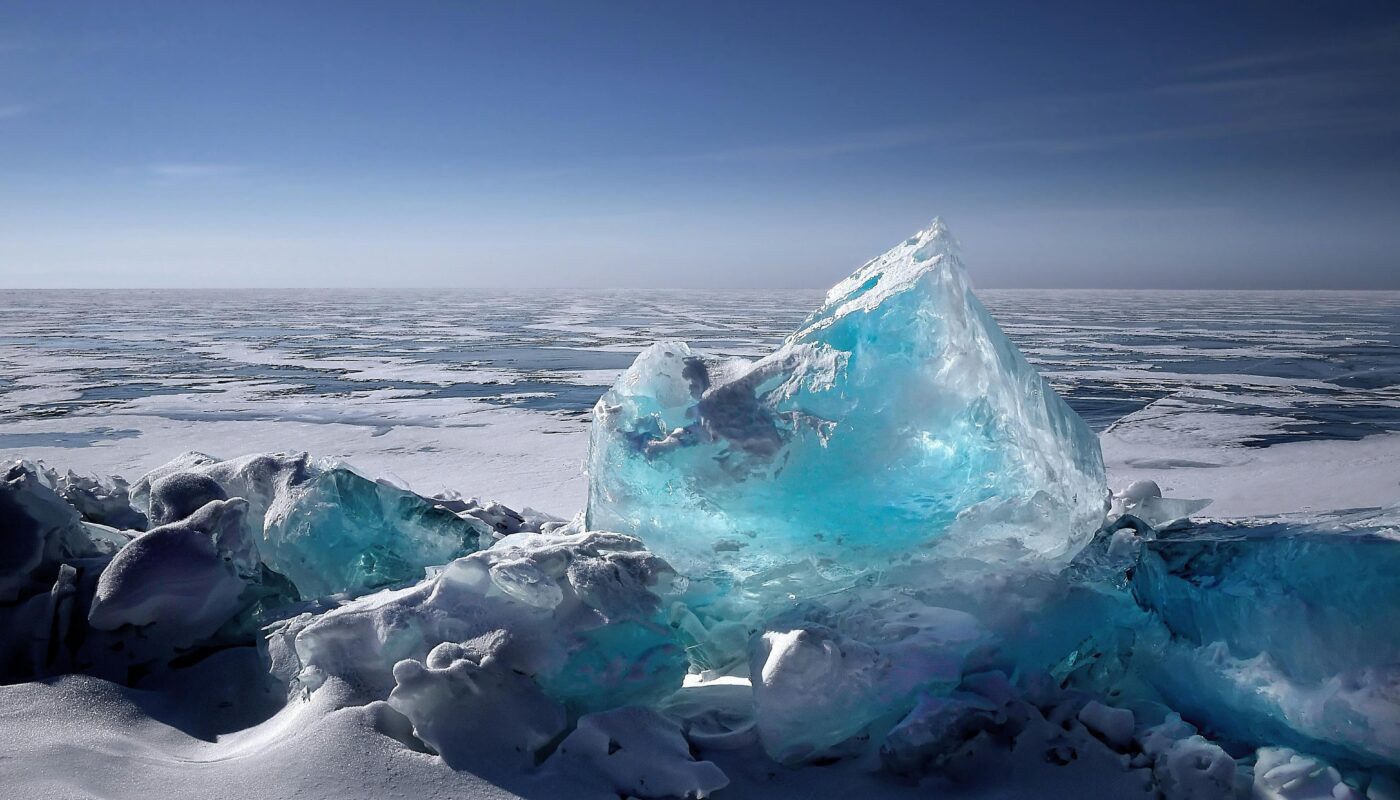
The Engadin Valley, where Saint Moritz is located, is home to several alpine glaciers formed over thousands of years. Glacial ice builds gradually as snowfall exceeds melting, compacting into thick ice masses that slowly creep downhill. These glaciers serve critical functions:
- Supplying rivers and lakes with fresh water
- Stabilizing mountain slopes and preventing landslides
- Moderating local climate by reflecting sunlight
- Supporting ecosystems dependent on cold, alpine conditions
Historically, glaciers appeared almost immutable. Photographs from the early 20th century show massive ice tongues stretching far into valleys, offering a stark contrast to the retreating ice of today.
Evidence of Glacier Retreat
The glaciers near Saint Moritz are shrinking faster than ever. Studies indicate that Swiss glaciers have lost significant volume over the past decades:
- Switzerland has already lost nearly one-quarter of its glacier ice since the 2010s.
- Many smaller glaciers have disappeared entirely.
- Those located below 3,000 meters—common around Saint Moritz—are particularly vulnerable.
This trend is accelerating, driven by rising temperatures, reduced snowfall, and changing seasonal weather patterns.
Why Glaciers Are Melting Faster
Several interconnected factors explain the rapid decline of alpine glaciers:
1. Rising Temperatures
Alpine regions are warming at nearly twice the global average. Warmer summers lengthen the melt season, while warmer winters reduce snow accumulation. Less snow also exposes darker ice, which absorbs more heat, further accelerating melt.
2. Lower Winter Snowfall
Snow acts as a protective layer for glaciers. Reduced snowfall leaves ice exposed for longer periods, allowing it to melt earlier in the year.
3. Heat Waves and Extreme Weather
Prolonged heatwaves have become more frequent in Switzerland. Unusually warm summers have caused sudden, large-scale ice loss in Alpine glaciers, destabilizing the landscape.
Observed Changes Around Saint Moritz
Shrinking Ice Fields
Popular glacier viewpoints now show dramatic retreat. Ice tongues that once reached valley floors have receded, exposing rocky terrain. Photographs taken a decade apart reveal hundreds of meters of lost ice.
Formation of Glacial Lakes
As glaciers melt, depressions form that fill with meltwater, creating new lakes. While picturesque, these lakes can be unstable, increasing the risk of flooding and landslides.
Altered Landscapes
Retreating glaciers also affect alpine ecosystems. Cold-adapted species lose habitats, vegetation shifts to newly exposed ground, and terrain stability can decline, creating new hazards for hikers and infrastructure.
Impact on Tourism
Saint Moritz depends heavily on tourism, and glacier changes are influencing the visitor experience:
Shorter Ski Seasons
Rising temperatures and unpredictable snowfall threaten traditional winter sports. Ski resorts may need artificial snowmaking to maintain operations, increasing costs and environmental impact.
Summer Opportunities
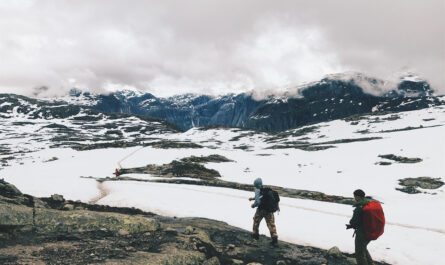
Longer snow-free periods create opportunities for summer tourism. Climbing routes, cycling routes, and hiking trails have spread into ice-covered areas.
Climate Awareness Tourism
Some visitors now come specifically to witness the shrinking glaciers. This “climate tourism” raises awareness but also highlights the delicate balance between tourism and conservation.
Water Resources and Ecosystems
Glaciers act as natural reservoirs, releasing water during hot months. Initially, melting ice increases river flow, but over time, diminishing glaciers will reduce water availability. Impacts may include:
- Altered drinking water supply
- Reduced hydropower generation
- Changes to agriculture downstream
- Shifts in alpine ecosystems
The Alps are a “water tower” for Europe, meaning glacier loss in Saint Moritz could have far-reaching consequences.
Environmental and Ecological Effects
- Biodiversity Loss: Plants and animals adapted to cold microclimates may disappear as temperatures rise.
- Unstable Terrain: Thawing permafrost weakens rock formations, increasing landslides and avalanches.
- Ecosystem Shifts: Exposed ground allows new vegetation to grow, altering habitat dynamics.
Future Projections
Climate models suggest that Alpine glaciers will continue shrinking dramatically:
- Many glaciers could vanish entirely by the end of the century under high-emission scenarios.
- Even with moderate warming, significant ice loss is unavoidable due to past and current warming.
Saint Moritz’s glaciers may look very different to future visitors, with smaller ice fields and more exposed valleys.
Adaptation and Mitigation Efforts
Switzerland is actively monitoring and adapting to glacier retreat:
- Scientific Programs: Organizations like GLAMOS track glacier thickness, movement, and melt rates to predict hazards.
- Engineering Solutions: Protective ice covers and snow redistribution help slow melt in specific areas.
- Sustainable Tourism: Local authorities encourage public transport, renewable energy use, and responsible visitor behavior.
While adaptation is vital, global greenhouse gas reductions are essential to preserving Alpine ice on a large scale.
Cultural and Emotional Significance
Glaciers are more than environmental features—they are part of Swiss culture. They appear in art, folklore, and community traditions. Their disappearance is felt emotionally, representing loss not only of nature but also of cultural heritage.
Why Saint Moritz Matters Globally
Changes in Saint Moritz illustrate broader climate trends:
- Mountains warm faster than lowlands.
- Glacier melt contributes to sea-level rise.
- Water cycle changes affect millions downstream.
The town’s glaciers serve as visible indicators of global warming.
Conclusion
The glaciers surrounding Saint Moritz are iconic, fragile, and rapidly transforming. Climate change is reshaping their size, flow, and ecological roles, affecting tourism, ecosystems, and water resources. While adaptation measures provide temporary relief, long-term preservation depends on worldwide climate action.
Visiting Saint Moritz today is witnessing a landscape in transition. Its glaciers tell a story of natural beauty, human impact, and the urgent need for environmental stewardship. Protecting them requires awareness, responsible tourism, and global commitment to limiting climate change.
Saint Moritz stands as a reminder that the Alps, once perceived as timeless, are now evolving within a single human lifetime. Every visitor sees a landscape still breathtaking—but also fleeting.