 by
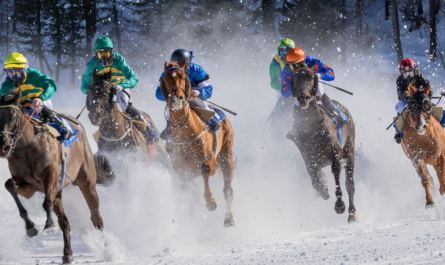
by High‑altitude ice racing is one of the most demanding equestrian disciplines in the world. Combining the challenges of steep mountain terrain, subzero temperatures, and slippery ice surfaces, this sport — whether in the form of mounted races on frozen lakes, high‑altitude steeplechase, or winter polo horseback events — pushes both horse and rider to excel under extreme conditions. Success depends not just on courage, but on careful conditioning, specialized training regimens, and a deep understanding of equine physiology.
But what does it take to prepare a horse for high‑altitude ice racing? How do trainers condition these magnificent animals to handle snow, ice, cold winds, and thin mountain air? What specialized techniques and equipment are used? And what lessons can the rest of the equestrian world learn from this unique niche of sport?
In this comprehensive exploration, we dive behind the scenes of high‑altitude ice racing training: the physical conditioning, mental preparation, adjustments for altitude and cold, hoof and shoe modifications, rider coordination, and welfare considerations that shape elite equine athletes for the frozen frontier.
1. The Unique Demands of High‑Altitude Ice Racing
Before understanding how horses are trained, it’s critical to grasp why this training is so specialized.
A. Cold and Ice
Unlike standard race tracks or cross‑country trails, high‑altitude ice courses are:
- Slippery and unpredictable
- Often littered with glare ice and uneven surface conditions
- Exposure‑intensive, with wind chill and reflective snow
These conditions demand balance, secure footing, and confident proprioception from the horse.
B. Thin Air
As altitude increases:
- Oxygen levels decrease
- Respiratory effort rises
- Heart rates remain elevated for longer periods
Training must adapt to improve aerobic capacity and maximize oxygen use.
C. Muscle Efficiency and Stamina
Cold temperatures increase muscle stiffness — without careful conditioning, horses risk muscle pulls, strains, or inefficient gait mechanics.
2. Preparing the Foundation: Early Conditioning
Training a horse for high‑altitude ice racing doesn’t start when the snow falls — it begins months, sometimes years beforehand.
A. Develop Core Fitness
At the heart of endurance is cardiovascular strength and overall conditioning. Early training focuses on:
- Hill work to build hindquarter strength and respiratory efficiency
- Long, slow distance (LSD) conditioning to build endurance
- Varied terrain to challenge balance and proprioception
These workouts are essential whether the horse is racing on snow, ice, or dry ground.
B. Gradual Exposure to Cold
Introducing horses to cooler climates slowly is crucial. Sudden exposure to cold can trigger:
- Respiratory irritation
- Muscle tightness
- Reluctance to perform
Many trainers bring horses to higher altitudes progressively, allowing bodies to adapt naturally.
C. Strengthening Core and Stabilizer Muscles
A strong core helps a horse stay balanced on unforgiving surfaces. Exercises include:
- Lateral movements (leg yields, serpentine patterns)
- Pole work on varied terrain
- Controlled hill and decline training
Each movement builds stability and reduces the risk of slips.
3. Altitude Acclimatization: Science Meets Training
High altitude influences performance through reduced oxygen pressure. Horses must acclimate to prevent fatigue, poor performance, and altitude sickness.
A. Staged Ascents
Like human athletes, horses benefit from “staged” ascents:
- Hold training stables at moderate elevation for weeks
- Slowly ascend over time rather than moving directly to high base camps
- Allow physiological adaptation
This process encourages increased red blood cell production — vital for oxygen transport.
B. Monitoring Physiological Responses
Trainers often track:
- Resting heart rate
- Recovery heart rate after exertion
- Respiratory rhythm
- Appetite and behavior
Elevated resting heart rates or delayed recovery may indicate overtraining or poor acclimatization.
C. Breathing and Respiratory Work
Some trainers use gentle respiratory exercises such as:
- Controlled trotting intervals
- Interspersed walk breaks
- Varying terrain for breath control
This builds lung capacity and teaches efficient breathing rhythms — important when oxygen is scarce.
4. Ice‑Specific Training: Simulating the Surface
Ground training prepares horses for balance and confidence on ice and snow.
A. Controlled Ice Walks
Horses learn to navigate icy surfaces through controlled walks:
- Initially on shallow ice or packed snow
- Progressing to harder ice as confidence grows
- Trainer stays close to correct footing and weight distributions
This teaches horses how to distribute weight effectively and sense unstable spots.
B. Coordination Drills
Movement drills that enhance coordination include:
- Zigzag trotting over shallow snow
- Slow lateral steps sideways to strengthen balance
- Backing up and quarter turns on slippery surfaces
The goal is to prevent panic and reinforce proprioception.
5. Hooves, Shoes, and Traction Technology
Hoof care and shoeing are fundamental to safety on ice.
A. Specialized Ice Shoes
Standard shoes can be dangerously slippery on ice. Trainers and farriers use:
- Studded shoes: Metal studs provide bite on slick surfaces
- Screw‑in traction elements: Added studs that can be tailored for ice grip
- Rubberized bases: Offer additional friction without injuring ice
Each set is customized to individual horses and expected conditions.
B. Hoof Conditioning
Well‑maintained hooves absorb shock and improve balance. Preparation includes:
- Regular trimming
- Moisture balance (too dry = brittle, too wet = soft)
- Precision shaping to ensure even weight distribution
6. Mental Training: Confidence in Chaos
Physical preparation is only half the story. Horses must build psychological resilience to perform under stress.
A. Desensitization Training
Ice and snow environments can be intimidating. Horses are gradually exposed to:
- Reflective ice glare
- Wind noises
- Snow blowing across surfaces
- Race crowds and spectator buzz
By incrementally introducing stimuli, horses learn that unfamiliar conditions do not signal danger.
B. Positive Reinforcement
Reward‑based methods include:
- Vocal praise
- Treats after successful drills
- Calm responses to minor slips
This promotes confidence and reduces fear‑based reactions.
C. Rider‑Horse Communication
The rider and horse must have a solid partnership. Training focuses on:
- Subtle rein signals
- Steady leg pressure
- Balanced weight shifts
The better the rider can communicate, the more trust the horse exhibits in uncertain footing.
7. Nutrition and Winter Conditioning
High‑altitude ice racing burns calories at high rates. Horses must stay fueled, warm, and balanced.
A. Adjusted Diets
Cold weather increases metabolic demands. Trainers increase:
- High‑quality forage
- Good fats from flaxseed or rice bran
- Balanced electrolytes to avoid dehydration
B. Hydration Matters
Horses often drink less in cold weather. Trainers encourage hydration by:
- Providing warm water
- Adding flavor enhancers (apple or carrot juice)
- Using insulated buckets
Proper hydration supports muscle function and prevents colic.
8. Injury Prevention and Veterinary Oversight
Training in extreme conditions carries risks. Comprehensive veterinary care protects the athlete.
A. Pre‑Season Checkups
Before beginning intensive winter work, horses undergo:
- Cardiac screening
- Respiratory evaluation
- Musculoskeletal assessment
This baseline ensures trainers understand each horse’s limits.
B. Continuous Monitoring
During training cycles, vets monitor:
- Joint inflammation
- Soft tissue stress
- Respiratory health
- Hoof integrity
Early detection prevents long‑term issues.
C. Recovery Protocols
After strenuous training or events, horses receive:
- Warm water hosing to ease muscles
- Therapeutic massage or chiropractic care
- Controlled cool‑down walks
These practices prevent stiffness and maintain long‑term athletic condition.
9. Rider Training: A Different Skillset
A horse’s success is deeply tied to its rider’s abilities — especially under extreme conditions.
A. Ice Riding Techniques
Riders practice:
- Relaxed posture to absorb slips
- Light rein contact to avoid overcorrection
- Constant awareness of balance and trajectory
They also practice dismounting safely if a fall becomes imminent.
B. Altitude Conditioning
Like horses, riders must acclimate to high elevations. This includes:
- Hydration focus
- Avoiding rapid ascents
- Recognizing signs of altitude sickness
Together, horse and rider become a well‑prepared team.
10. Event Day Preparation: Final Steps to the Start Line
On race day, preparation continues right up to the start whistle.
A. Warm‑Up Practices
Warm‑ups begin slowly with:
- Light walking on packed snow
- Progressive trot until muscles loosen
- Short bursts of canter to test traction
These routines ensure alert, confident participation.
B. Tack and Equipment Check
Every piece of equipment is inspected:
- Saddle fit and girth tension
- Traction devices on shoes
- Insulating wraps and blankets
- Helmet electronics for rider safety
This final check prevents mid‑race problems.
11. Beyond the Finish Line: What We Learn From High‑Altitude Ice Training
Training horses for high‑altitude ice racing isn’t just about competition — it’s an advanced study in equine physiology, psychology, and partnership. Lessons learned here influence broader equestrian training, including:
- Balanced fitness regimens
- Cognitive conditioning techniques
- Hoof care innovations
- Altitude and cold‑adapted nutritional plans
High‑altitude ice racing pushes the boundaries of what horse and rider can achieve — and what science and care can support.
Conclusion: A Symphony of Science, Skill, and Trust
High‑altitude ice racing is a striking fusion of athleticism, natural environment, and human‑horse collaboration. Preparing a horse for this discipline is not a simple undertaking — it’s a holistic process combining physical development, psychological readiness, metabolic balance, equipment engineering, and rider synergy.
From conditioning on rolling terrain to mastering ice balance, from altitude adaptation to customized shoeing, every element plays a key role. This intricate training ecosystem not only prepares horses for cold challenge, but unlocks new potential in how we understand and support equine athletes everywhere.
Whether you’re a devoted fan of winter equestrian sports, a rider seeking insight into elite training, or a curious traveler captivated by alpine competitions, the world of high‑altitude ice racing offers marvels far beyond the finish line — grounded in respect, preparation, and extraordinary trust between horse and rider.