 by
by In the heart of the Swiss Alps, where snow-tipped peaks kiss the sky and lakes mirror the mountains’ grandeur, an annual musical celebration has taken root — the Festival da Jazz. Far from being just another music festival, it has become a cultural cornerstone, blending world-class jazz artistry with the enchanting backdrop of alpine landscapes. While jazz festivals abound around the globe, Festival da Jazz distinguishes itself through its distinctive fusion of environment, community, cultural diversity, acoustical innovation, and artistic vision. What makes this event truly unique in the crowded landscape of global music festivals — and particularly within the context of Alpine culture — goes far deeper than the music alone.
This extensive article explores the multi-layered uniqueness of Festival da Jazz, revealing how it has carved a special niche in the heart of the Alps and in the wider jazz world.
I. A Mountainous Stage: Nature as a Co-Performer
1. A Symphony of Landscape and Sound
What sets Festival da Jazz apart from most urban music festivals is undeniably its stage — the natural amphitheater of the Alps. The mountains are not merely a backdrop; they are an active participant in the experience. From outdoor performances framed by pristine alpine vistas to intimate concerts in lakeside pavilions, nature becomes part of the performance.
Unlike indoor concert halls or city squares, the open air creates an organic dialogue between the music and the elements. The cool mountain air and vast horizons invite listeners into a space of reflection and emotional resonance that complements jazz’s improvisational soul.
2. Acoustics Shaped by Terrain
The festival’s unique use of landscape as an acoustical partner also sets it apart. Concert sites are carefully chosen to take advantage of natural sound reflections off rock faces, lakes, and forest canopies. These acoustic nuances give performances a distinct sonic texture that cannot be replicated in conventional venues.
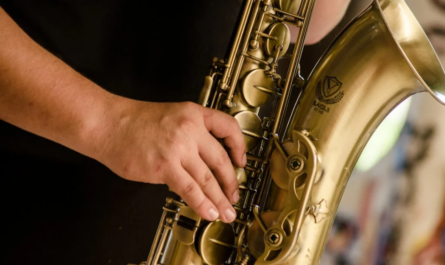
Imagine listening to a saxophone solo echoing off nearby cliffs or a soft piano line reflected across a calm mountain lake as dusk settles — the environment becomes an invisible instrument, shaping the sound in unpredictable and magical ways.
II. Artistic Diversity Within a Singular Vision
1. A Global Yet Grounded Lineup
Festival da Jazz draws artists from around the world, bringing together established legends, emerging innovators, and experimental ensembles. Yet its programming is not a random collection of names — it’s a carefully curated journey through multiple jazz styles, from bebop and cool jazz to fusion, avant-garde, and cross-cultural collaborations.
What makes the festival unique is how it balances global talent with a strong emphasis on local and regional artists. Swiss and Alpine performers are regularly showcased alongside international stars, creating a rich cross-pollination of styles and influences that reflects both the global reach and the intimate roots of jazz.
2. Cultural Crossroads and Collaboration
The festival’s ethos embraces collaboration and experimentation. It invites musicians from diverse traditions — jazz, classical, folk, electronic, and world music — to interact, improvise, and co-create. These cross-genre collaborations are more than novelties; they challenge conventions and expand the boundaries of jazz itself.
Whether it’s blending alpine folk melodies with jazz rhythms, integrating indigenous percussion instruments, or exploring electronic soundscapes within traditional jazz structures, Festival da Jazz celebrates innovation without forgetting tradition.
III. Community Integration and Cultural Celebration
1. A Festival Rooted in Its Community
Unlike many large international festivals that feel detached from their surroundings, Festival da Jazz thrives on a deep connection with local communities. Residents participate as hosts, volunteers, artisans, and spectators. Local businesses — from cafés to mountain lodges — engage with the festival spirit, transforming ordinary spaces into vibrant cultural hubs.
This community embeddedness fosters a sense of ownership and pride. Festival da Jazz is not just a tourist attraction — it’s a shared cultural event that celebrates identity, heritage, and local creativity.
2. Educational Outreach and Youth Engagement
The festival goes beyond entertainment by investing in education. Workshops, masterclasses, and open rehearsals allow young musicians — and even casual attendees — to engage with jazz on a deeper level. These programs nurture local talent and inspire future generations of artists.
By opening doors to jazz education, the festival helps sustain the genre’s relevance among younger audiences and ensures that jazz continues to evolve in new and unexpected directions.
IV. Setting: The Alpine Climate as Part of the Experience
1. Seasonal Variety and Weather Dynamics
Held during a transitional season when the Alps shift from warm summers to cool autumn evenings, Festival da Jazz leverages the climate as part of its allure. Days may bring sunlit outdoor concerts with sweeping mountain views, while nights cool into crisp air that enhances the intimacy of indoor or tented performances.
This dynamic climate adds a temporal rhythm to the festival — light, shadow, temperature, and atmosphere become elements of the musical journey. The festival embraces the unpredictability of weather, turning it into an asset rather than a liability.
2. A Festival That Changes with the Mountains
Unlike festivals fixed in large urban plazas, Festival da Jazz remains fluid with its settings. Some concerts take place lakeside at dawn, others on plateaus where the early sun rises above distant peaks. This diversity of settings mirrors the diversity of sounds experienced throughout the event.
For attendees, the festival becomes an immersive exploration — not only of music but of place, climate, and seasonal shifts that subtly influence the mood of each performance.
V. Sustainability and Environmental Stewardship
1. Respect for Alpine Ecology
Festival da Jazz operates with an eye toward sustainability — a critical value in fragile mountain ecosystems. The organizers emphasize eco-friendly practices, such as minimizing waste, using local suppliers, and promoting sustainable travel options for attendees.
This approach aligns with broader Swiss cultural values that stress environmental stewardship and respect for nature. Attendees are encouraged to experience the beauty of the Alps responsibly, preserving the very landscapes that make the festival special.
2. Green Initiatives and Community Impact
Beyond basic environmental responsibility, the festival collaborates with local conservation groups to highlight ecological concerns. Informational sessions and guided nature walks paired with musical themes draw attention to alpine biodiversity and climate change.
By integrating ecological awareness into its programming, Festival da Jazz supports a deeper understanding of how culture and environment are interconnected — and how each depends on the other for survival.
VI. Audience Experience: Beyond Passive Listening
1. Immersive and Interactive Engagements
At Festival da Jazz, concerts aren’t merely passive experiences. Many performances invite audience participation — from call-and-response jazz chants to interactive rhythm circles and open improvisation sessions. This engagement fosters a sense of belonging and breaks down the traditional boundaries between performers and spectators.
Festivalgoers are not just listeners; they become part of the creative fabric of the event.
2. Social Spaces and Cultural Exchange
The festival also creates social spaces where people naturally connect — lounge areas overlooking alpine valleys, late-night jam sessions in cozy cafés, and pop-up performances in unexpected corners of village squares.
These moments of spontaneous interaction often become the most memorable, turning the festival into a living cultural dialogue rather than a series of isolated performances.
VII. Tradition Meets Modernity: Jazz as a Living Art
1. Honoring Jazz Heritage
Festival da Jazz respects the historical roots of jazz — celebrating its African-American origins, its evolution through swing and bebop, and its global influence. Tribute concerts, historical showcases, and performances of classic jazz repertoires remind audiences of jazz’s enduring legacy.
Yet these nods to tradition coexist with brave innovation.
2. Pushing Boundaries with Contemporary Expression
Alongside traditional performances, the festival champions contemporary explorations — jazz fused with electronic textures, multi-media compositions, and avant-garde experiments. These performances challenge listeners’ expectations and demonstrate that jazz is not a static genre but a living, evolving art form.
Festival da Jazz thrives on this tension between heritage and innovation — reminding audiences that the future of jazz is as rich as its past.
VIII. The Emotional Resonance of Place and Sound
1. A Festival That Invites Reflection
Festival da Jazz is not only about technical virtuosity or musical virtuosity — it is about emotional resonance. The Alpine setting creates a reflective atmosphere where listeners connect with music on a more personal level. The silence between notes becomes as meaningful as the notes themselves.
At dusk, when the last rays of sunlight linger across mountaintops, and a gentle bass line carries across a quiet crowd, the experience transcends entertainment — it becomes memory and meaning.
2. Lifelong Bonds and Lasting Impressions
For many attendees, Festival da Jazz becomes more than an annual event — it becomes a pilgrimage. Returning visitors recall specific performances tied to moments in their lives: a first jazz concert, a shared experience with a loved one, or a quiet evening of musical discovery under starlit alpine skies.
This deep emotional and personal attachment distinguishes Festival da Jazz from many other festivals. It becomes a place of connection — to music, to nature, and to oneself.
Conclusion: A Harmony of Art, Nature, and Community
What makes Festival da Jazz unique in the Alpine music scene is its remarkable fusion of artistry, environment, culture, and community. It is not merely a gathering of musicians and listeners; it is a celebration of place, a testament to human creativity, and a reflection of how deeply music can intertwine with landscape and life.
From its stunning natural stages to its commitment to sustainability, from its global artistic diversity to its grounded local roots, the festival embodies the spirit of jazz itself — improvisational, inclusive, and profoundly human.
In a world where music festivals can feel increasingly uniform, Festival da Jazz stands apart. It invites the world not only to listen but to feel, to engage, and to become part of a living tradition that resonates as powerfully as the mountains that cradle it.