 by
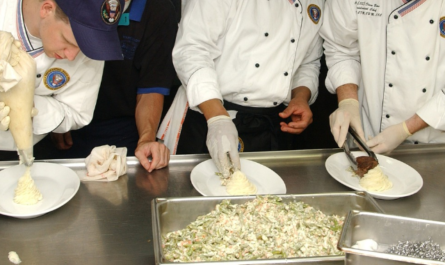
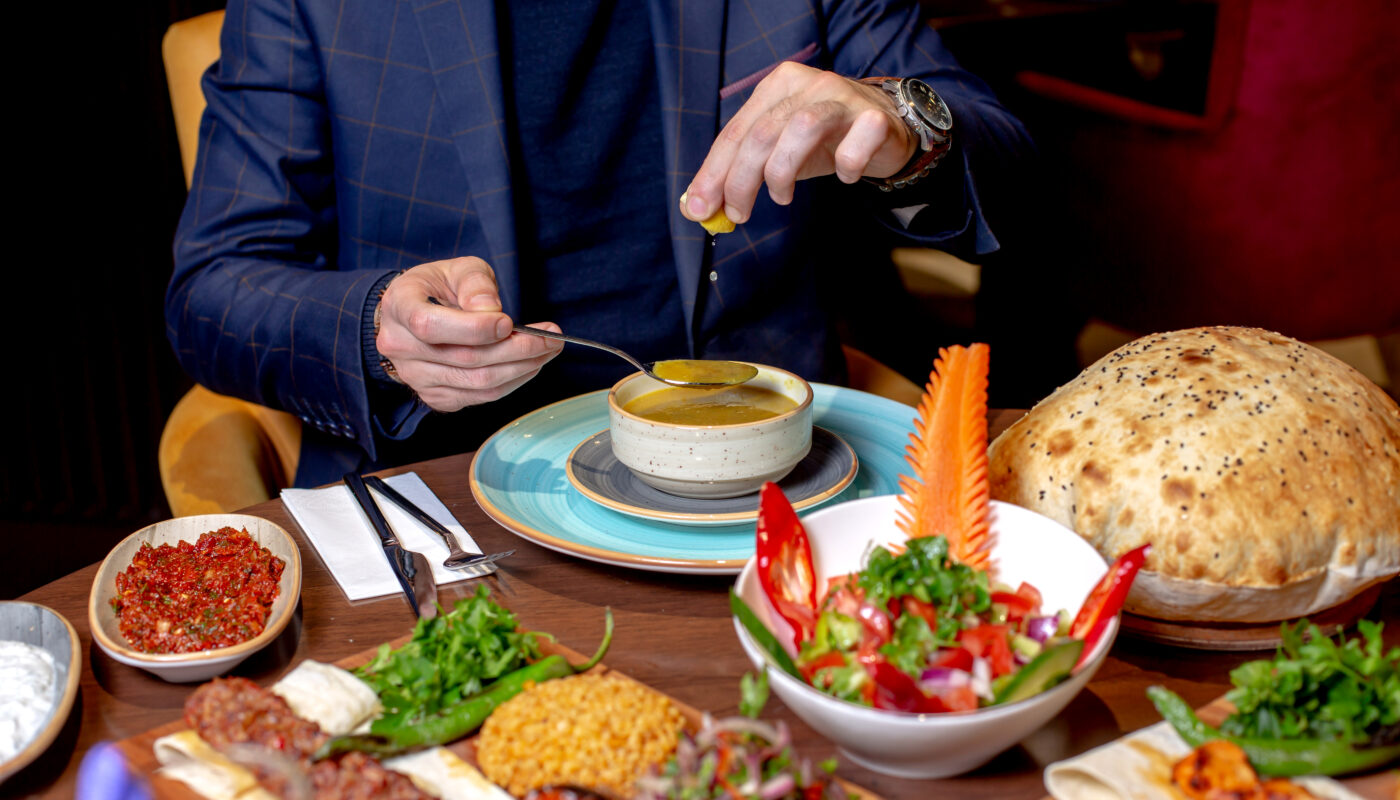
by Gourmet food weeks have grown into some of the most anticipated culinary events worldwide. They provide a platform where chefs, artisanal producers, and local food artisans showcase the very best of their craft. Unlike typical food fairs, these festivals celebrate creativity, tradition, and innovation in equal measure, transforming dining into a full sensory experience. Attendees don’t just taste meals; they explore culture, technique, and storytelling through food.
From seasonal creations to artisanal specialties, the dishes presented at gourmet food weeks reflect both the richness of local ingredients and the ingenuity of the chefs who prepare them. For food enthusiasts, knowing which dishes are must-try can turn a festival visit into a truly memorable gastronomic journey.
1. Seasonal and Locally Sourced Dishes
At the heart of every gourmet food week is the principle of seasonality. Chefs design menus around ingredients that are at their freshest, resulting in dishes that highlight local landscapes, farms, and harvests.
Notable Dishes
- Spring Vegetable Risotto: Creamy risotto infused with young asparagus, peas, and fresh herbs, often garnished with edible flowers.
- Summer Berry Tart: Juicy, seasonal berries layered over a delicate pastry base, topped with whipped mascarpone or a subtle drizzle of honey.
- Autumn Game Pie: Slow-cooked venison, rabbit, or pheasant with root vegetables and aromatic herbs, served in a rustic yet elegant crust.
Why They Shine
- Emphasize fresh, local ingredients.
- Allow diners to experience flavors tied to a particular region and season.
- Each meal is an artistic creation, reflecting the seasonal landscapes in its visual presentation.
2. Seafood Delicacies
Coastal and lakeside gourmet food weeks often highlight fresh seafood, where the purity of flavors is celebrated above all. Dishes range from elegantly simple raw preparations to intricate cooked creations.
Notable Dishes
- Fresh Oysters with Citrus Dressing: To bring out the natural brininess, garnish oysters with yuzu, lemon, or lime vinaigrettes.
- Seared Scallops on Vegetable Purée: Tender scallops paired with seasonal vegetable purées and delicate microgreens.
- Smoked Salmon Carpaccio: Artisanal crackers and pickled veggies complement the thinly sliced smoked salmon.
Why They Shine
- Showcase the natural flavors of premium seafood.
- Require precision and skill, highlighting the chef’s expertise.
- Pairings with local wines or craft beverages enhance the experience.
3. Creative Small Plates and Tapas
Gourmet food weeks often encourage innovation through small plates. These bite-sized creations allow chefs to experiment with flavors, textures, and artistic plating in ways that larger dishes cannot.
Notable Dishes
- Deconstructed Caprese: Cherry tomatoes, mozzarella pearls, basil gel, and balsamic droplets arranged creatively on a single spoon.
- Foie Gras with Seasonal Compote: Seared foie gras paired with sweet and tangy fruits to balance richness.
- Molecular Gastronomy Bites: Miniature dishes using edible foams, spheres, and smoke to surprise both the palate and the eyes.
Why They Shine
- Provide an opportunity to taste multiple dishes without overeating.
- Highlight the chef’s creativity and technical skill.
- Offer a memorable, visually captivating experience.
4. Reimagined Traditional Dishes
Many chefs reinterpret classic dishes to honor culinary heritage while introducing modern techniques. This blend of tradition and innovation is a hallmark of gourmet food weeks.
Notable Dishes
- Truffle-Infused Pasta: Fresh pasta topped with truffle shavings or oil for luxurious, earthy flavor.
- Braised Meats with Exotic Spices: Slow-cooked pork, beef, or lamb enhanced with spices not traditionally used in the region.
- Modern Pâtés and Terrines: Creative takes on classic recipes using quail, wild boar, or other specialty meats.
Why They Shine
- Preserve regional culinary identity while embracing contemporary trends.
- Highlight advanced cooking techniques such as sous-vide or smoking.
- Encourage diners to experience familiar flavors in surprising new ways.
5. Plant-Based and Sustainable Cuisine
As sustainability and dietary diversity grow in importance, gourmet food weeks increasingly feature plant-based dishes that are innovative, flavorful, and eco-conscious.
Notable Dishes
- Beetroot Tartare: Finely diced roasted beets with nuts, herbs, and seasonal greens mimicking traditional tartare texture.
- Wild Mushroom Risotto: Arborio rice cooked with a variety of local mushrooms, enriched with truffle oil.
- Stuffed Seasonal Squash: Squash filled with grains, legumes, and aromatic vegetables, topped with nut-based creams.
Why They Shine
- Celebrate vegetables and grains in creative ways.
- Appeal to environmentally conscious and health-focused diners.
- Demonstrate that plant-based cuisine can be just as luxurious and flavorful as meat-based dishes.
6. Dessert Innovations
Desserts at gourmet food weeks often serve as the festival’s crowning glory. Chefs blend technical precision, visual artistry, and flavor harmony to create sweet masterpieces.
Notable Dishes
- Chocolate Ganache with Gold Leaf: Dark chocolate enhanced with seasonal fruits and edible gold accents.
- Layered Fruit Terrines: Seasonal fruits suspended in delicate gelées with herbal infusions.
- Mini Pavlovas: Crispy meringue shells filled with cream and topped with berries or exotic fruit purées.
Why They Shine
- Require advanced techniques like sugar work, tempering, or delicate layering.
- Serve as both a treat for the taste buds and a feast for the eyes.
- Provide a memorable conclusion to the culinary journey.
7. Artisanal and Regional Specialties
Gourmet food weeks celebrate local producers and regional delicacies. These dishes and products offer a taste of place that travelers cannot easily find elsewhere.
Notable Offerings
- Alpine Cheese Boards: showcasing types such Gruyère, Emmental, or regionally produced specialty cheeses.
- Regional Charcuterie: Cured meats from small farms, showcasing traditional preservation techniques.
- Local Honey and Jams: Single-origin honey, berry preserves, and seasonal spreads.
Why They Shine
- Support local artisans and sustainable production.
- Provide genuine regional delicacies that are exclusive to the area where the festival is being held.
- Connect diners with the cultural roots of the area.
8. Interactive Culinary Experiences
Modern gourmet food weeks often involve participation-based experiences, allowing guests to interact with chefs and food preparation.
Notable Experiences
- Chef Demonstrations: Live cooking sessions with tasting opportunities.
- Build-Your-Own Plates: Guests select toppings, herbs, or sauces to personalize their dishes.
- Tasting Flights: Diners explore multiple small dishes in sequence, paired with beverages for flavor education.
Why They Shine
- Create immersive, hands-on culinary engagement.
- Educate guests on cooking techniques and flavor combinations.
- Make dining a participatory, memorable adventure.
9. Beverage Pairings
Perfectly curated beverage pairings complement dishes at gourmet food weeks, enhancing flavors and creating full sensory experiences.
Notable Pairings
- Champagne with Oysters or Shellfish: Accentuates brininess and texture.
- White Wines with Vegetables or Seafood: Complements freshness and light flavors.
- Dessert Wines and Fortified Spirits: Enrich chocolate, nuts, or caramel desserts.
Why They Shine
- Elevate each dish’s flavors and aromas.
- Introduce diners to regional viticulture and craft beverages.
- Enhance the overall festival experience with harmony and balance.
Conclusion
Gourmet food weeks offer far more than simple dining — they are a celebration of culinary artistry, culture, and innovation. Must-try dishes encompass seasonal farm-to-table creations, seafood delicacies, creative small plates, modern reinterpretations of traditional meals, plant-based innovations, desserts, and regional specialties. Each dish is designed to tell a story, whether of the region, the chef, or the ingredients themselves.
Attending these festivals allows food lovers to taste innovation, savor tradition, and experience artistry in every bite. From interactive culinary experiences to beverage pairings and artisanal products, every element contributes to a memorable gastronomic journey. For anyone seeking to explore flavors beyond the ordinary, sampling these must-try dishes is essential — offering both nourishment and an unforgettable celebration of food as an art form.