 by
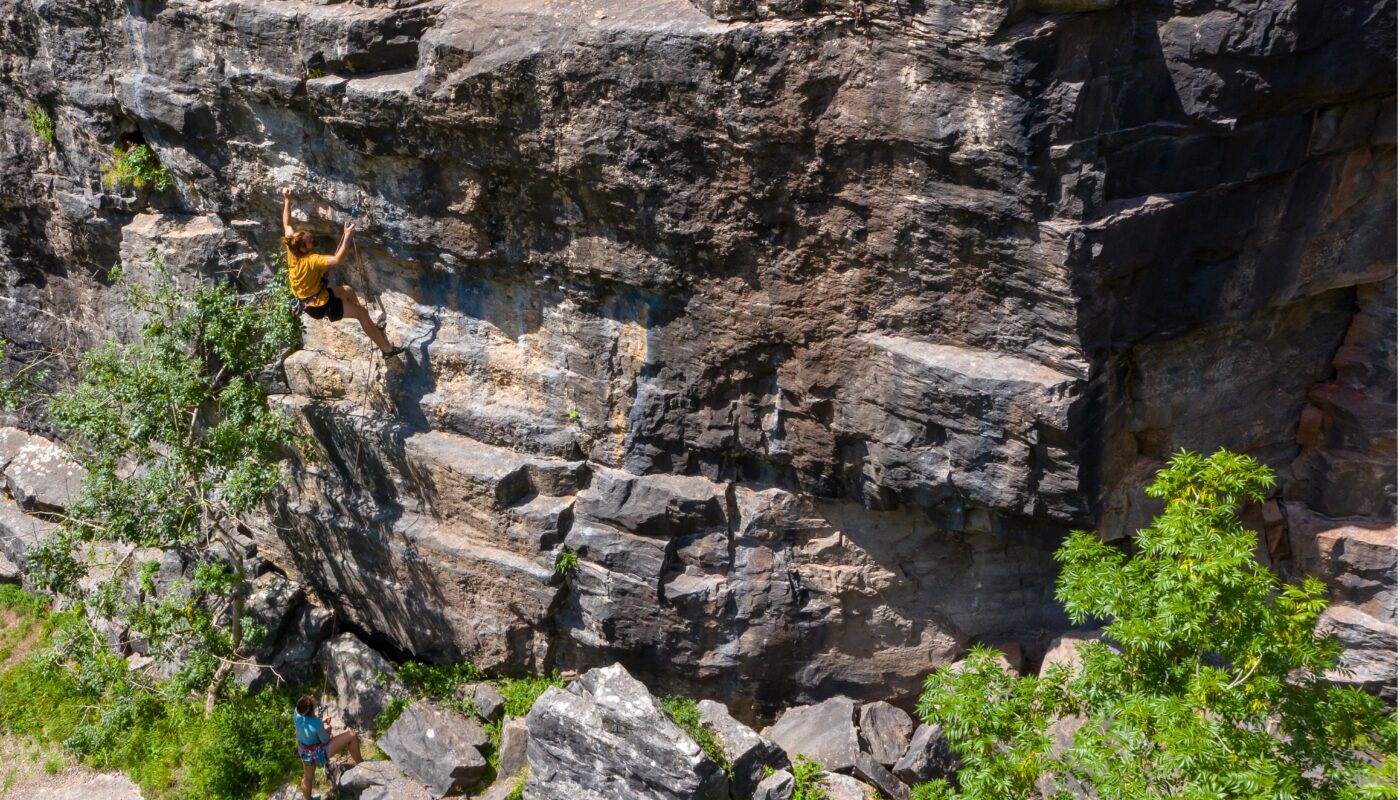
by For climbers, St. Moritz conjures images of snow-dusted peaks, crisp alpine air, and a playground that stretches far beyond its well-known glacier walks and scenic trains. While world-famous alpine faces like the Piz Bernina attract seasoned alpinists from across the globe, the region also hides an array of lesser-known climbing crags—perfect for climbers seeking serenity, variety, and memorable rock experiences. These hidden gems offer quality lines, fewer crowds, and terrain suited to a wide range of abilities, from confident beginners to strong intermediates.
This extensive guide explores hidden climbing crags near St. Moritz that are worth discovering. We’ll cover their character, access, typical routes, recommended seasons, safety considerations, and local insights so your next alpine climbing adventure is both safe and unforgettable.
Why St. Moritz Works So Well for Climbing
Before we dive into specific crags, it helps to understand why the St. Moritz region makes such a great climbing destination even beyond its famous snow peaks:
- Geological diversity: From limestone walls to pristine granite faces, the region offers a range of rock types for different climbing styles.
- Elevational variety: Crags at different altitudes allow climbers to explore scenic, warm sunny walls or cool, shaded alpine faces.
- Seasonal versatility: Spring, summer, and early autumn all have excellent climbing windows, each with its own advantages.
- Off-the-beaten-path climbs: Beyond major guidebook classics lie numerous accessible, uncrowded crags that reward exploration.
Unlike big alpine walls that require days of approach and multi-pitch experience, many hidden crags around St. Moritz can be climbed in a half-day session—ideal for travelers and locals alike.
How to Discover Hidden Crags: Access & Ethics
Seeking out lesser-known crags comes with responsibility. Respect for nature, private land, and existing climbers keeps climbing sustainable:
- Stay on marked paths where possible: Many crags are reachable via established hiking trails.
- Respect wildlife and grazing land: Avoid disturbing pastures and observe seasonal closures for birds or grazing livestock.
- Leave no trace: Pack out chalk and trash, avoid unnecessary bolts, and minimize rock damage.
- Ask local climbers for beta: Regional knowledge often reveals access nuances that aren’t in guidebooks.
With that ethos in place, let’s explore the climbing crags that St. Moritz locals and experienced visitors treasure.
1. Muottas Muragl Southwest Face — Granite Meets Panorama
Overview
Muottas Muragl is known for its broad panoramic vistas over the Engadin valley and the Upper Lake (Silsersee and Champfèrsee). The southwest face hosts a series of granite cracks and faces that make the most of the mountain’s natural features.
What to Expect
- Rock type: Coarse granite with quality friction
- Routes: Mostly single-pitch to moderate multi-pitch
- Difficulty range: 5a–6c (Yosemite Decimal System ~5.9–5.11d)
Why It’s Worth Discovering
The routes here expose climbers to clear, textured granite that feels distinct from the limestone arenas more common elsewhere in the Swiss Alps. The setting above the valley blends alpine calm with spectacular views of St. Moritz and surrounding lakes.
Access & Tips
- Take the funicular or hike up from Pontresina or Samedan
- Approach paths are scenic and straightforward
- Best in late spring through early autumn
2. Val Roseg East Walls — Quiet Limestone Pockets
Overview
Hidden deeper in the Engadin valley, the Val Roseg branch remains tranquil even in peak season. The east walls near the Roseg Glacier offer limestone pockets and technical face climbs that feel far from busy areas.
What to Expect
- Rock type: Compact limestone
- Routes: Good selection of sport lines and traditional anchors
- Difficulty range: 5b–7a+ (~5.10–5.12+)
Why It’s Worth Discovering
Val Roseg’s climbs are seldom crowded, and the setting — with peaks reflected in alpine streams — feels remote and reflective rather than adrenaline-charged. Climbs here are generally shorter pitches but rich in technical challenges.
Access & Tips
- Start from Pontresina and follow the Roseg Valley trail
- Expect a 45–90 minute walk to reach the first walls
- Ideal for summer days with warm, stable weather
3. Sils Maria Caves and Overhangs — Adventurous Mixed Terrain
Overview
Near Sils Maria (the lakeside town west of St. Moritz), hidden limestone and dolomite caves provide opportunities for explorers and climbers alike. While not a traditional crag area, these nooks and overhangs offer natural playgrounds for bouldering, top-rope sessions, and first exploration.
What to Expect
- Rock type: Limestone/dolomite
- Routes: Unstructured, adventurous climbs
- Difficulty range: V0–V8 (bouldering) and easy top ropes
Why It’s Worth Discovering
These features are perfect for quick sessions or warm-ups before a day in the mountains. They reward curiosity and exploration — just be mindful of fragile rock and avoid breaking holds.
Access & Tips
- Follow hiking signs toward Sils Maria rocky outcrops
- Approach is short but may be steep in places
- Best in warm, dry weather due to cave runoff
4. Maloja Ridge Face — Continental Style on Alpine Crags
Overview
The Maloja Pass area hosts less obvious climbing lines on granite or metamorphic rock faces that run parallel to high mountain ridges. Maloja’s remote trails and scattered crags are ideal for hikers with basic climbing skills who want adventurous routes that feel alpine without technical seriousness.
What to Expect
- Rock type: Mixed alpine granite/metamorphic
- Routes: Trad and mixed lines
- Difficulty range: 4+–6b (~5.6–5.10a)
Why It’s Worth Discovering
Routes here are not mainstream — that’s part of the appeal. You get authentic mountain climbing with the solitude of less frequented ridges and good sun exposure.
Access & Tips
- Hike from Maloja village toward higher passes
- Some routes require careful boulder and ridge scrambling
- Best in summer or early autumn
5. Lake Side Crags Around Sils Lakes — Gentle Sport Options
Overview
If you prefer sport climbing or want approachable single-pitch routes with fewer commitments, the lakeside crags near Sils lakes are ideal. These faces hug the shoreline, creating scenic belay stances and easy gear placement.
What to Expect
- Rock type: Dolomite and limestone
- Routes: Sport routes with fixed bolts
- Difficulty range: 5c–6c (~5.10–5.11d)
Why It’s Worth Discovering
The setting is literally unbeatable: climbs with lakes in the background, swallows overhead, and sunlight grazing the rock face. These crags are great for:
- Beginners transitioning to real rock
- Photographers seeking alpine light
- Packable half-day sessions
Access & Tips
- Shore paths often double as approach trails
- Summer and shoulder season are best
- Bring light shoes and be mindful of wet rock near water
Seasonal Considerations for Hidden Crags
Climbing near St. Moritz is deeply seasonal due to snow, wind, and temperature shifts. Understanding how seasons affect these hidden crags is essential.
Spring (May–June)
- Pros: Fewer crowds, quiet access roads
- Cons: Snow linger on shaded approaches
- Note: South–east faces warm earlier in the day
Summer (July–August)
- Pros: Most consistent weather, long daylight
- Cons: Midday heat on exposed limestone, weekend crowds near lakes
Autumn (September–October)
- Pros: Cooler temps, beautiful fall colors, sun-kissed granite
- Cons: Early snow events possible at high elevation
Avoid late winter and early spring if you intend to climb rock — frozen conditions make access difficult.
Gear Essentials for Exploring Hidden Crags
While each crag has its own character, these items are universally useful:
Climbing Gear
- Harness, helmet, chalk, shoes
- Quickdraws (for bolt routes)
- Slings and crampons for mixed approaches
Trail & Approaches
- Weather-proof hiking shoes
- Trekking poles (for steep or uneven ground)
- Gloves with good grip
Safety & Navigation
- Topo maps or crag beta
- GPS or offline maps
- First-aid kit
Even hidden spots can have complex access; being equipped keeps your trip safe.
Local Beta: Talking to Climbers & Guides
Guidebooks are great, but hidden crags are often best discovered through local knowledge:
- Climbing gyms in St. Moritz and nearby towns
- Alpine clubs and online forums
- Local outdoor shops (they often know seasonal conditions and micro-access tips)
Live beta (local info) is invaluable for:
- Route quality updates
- Rockfall or wet zone alerts
- Seasonal access changes
Approach local climbers with respect and curiosity — many will share tips.
Safety First: Risk Management on Remote Rock
Even easy hidden crags deserve respect:
- Check weather before approach (storms move fast in the Alps)
- Inspect anchor points before weighting them
- Be prepared to bail if conditions worsen
- Avoid solo climbing on unfamiliar rock
- Know your limits and retreat early
Remote crags can feel tame compared to big walls, but alpine terrain changes rapidly.
When to Hire a Guide
Hiring a guide elevates your confidence and safety. Consider it if you:
- Are new to alpine rock transitions
- Want to explore rarely climbed terrain
- Are unfamiliar with Swiss access etiquette
- Prefer structured progression and feedback
Guides can unlock routes you wouldn’t find on your own and adapt plans to conditions.
Hidden Crag Access Quick Checklist
Before you go:
- ✔ Topo or route description downloaded
- ✔ Weather and wind conditions checked
- ✔ Proper footwear and layers ready
- ✔ Loose rocks or wet zones avoided
- ✔ Emergency contact info and phone battery full
This simple checklist prevents surprises in remote terrain.
Final Thoughts: Beyond the Obvious
St. Moritz and its surroundings offer more than postcard panoramas and luxury spas — they host climbing experiences that feel personal, peaceful, and adventurous. Hidden crags transform the mountain into a canvas of challenge and discovery, with space to reflect, test skills, and enjoy alpine beauty without crowds.
Whether you’re starting your climbing journey or expanding your alpine repertoire, discovering these lesser-known crags rewards curiosity, preparation, and respect for mountain ethics.